



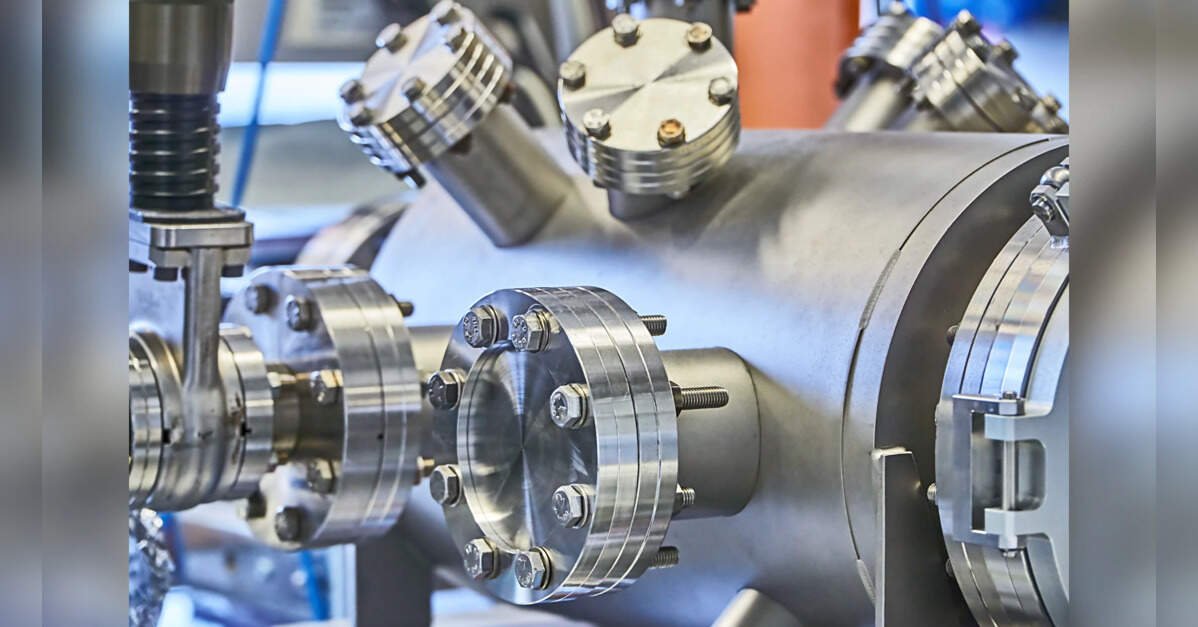
Nagpur: The Maharashtra govt has granted in-principle approval for setting up a 30 MeV (million electron volts) High-Energy Medical Cyclotron Facility in Nagpur at an estimated cost of ₹300 crore.
The govt has earmarked 30 hectares of land at Bhansoli (Kanhi) in Hingna taluka for the project. The cost will be shared equally between the Medical Education and Drugs Department and the Industries and Mining Department, with each contributing ₹150 crore.
The Govt Resolution (GR), issued by the Medical Education and Drugs Department recently, said the project aims to ensure uninterrupted availability of short-half-life radioisotopes used in PET-CT scans, cancer diagnosis, targeted therapies and biomedical research. At present, these isotopes are largely transported from Mumbai, Hyderabad and other cities, making treatment expensive and logistically challenging because of their rapid radioactive decay.
The proposal received Cabinet approval on June 16, following discussions held at the National Cancer Institute (NCI), Nagpur, in April on strengthening advanced cancer care infrastructure in Vidarbha.
The facility will be developed through MAHACARE, a Section 8 company of the state govt. A separate subsidiary company will be incorporated to execute and manage the project. Until then, a steering committee headed by Dr Shrikant Pardeshi, principal secretary to the chief minister, will oversee its implementation.
The govt also approved preparation of the detailed project report (DPR), initiation of the tendering process and creation of technical and administrative posts required for the facility.
A multidisciplinary board will guide the project, with the commissioner of medical education as chairperson and the development commissioner (Industries) as co-chairperson. The board will include representatives from AIIMS Nagpur, Govt Medical College Nagpur, Indira Gandhi Govt Medical College, National Cancer Institute, Tata Memorial Centre, IIT Bombay, IIM Nagpur and BARC, besides senior state and district officials.
Once operational, the cyclotron is expected to significantly reduce dependence on distant production centres for medical isotopes, improve timely access to PET imaging and radionuclide therapies, and strengthen cancer research and radiopharmaceutical production in Vidarbha and neighbouring regions.


