


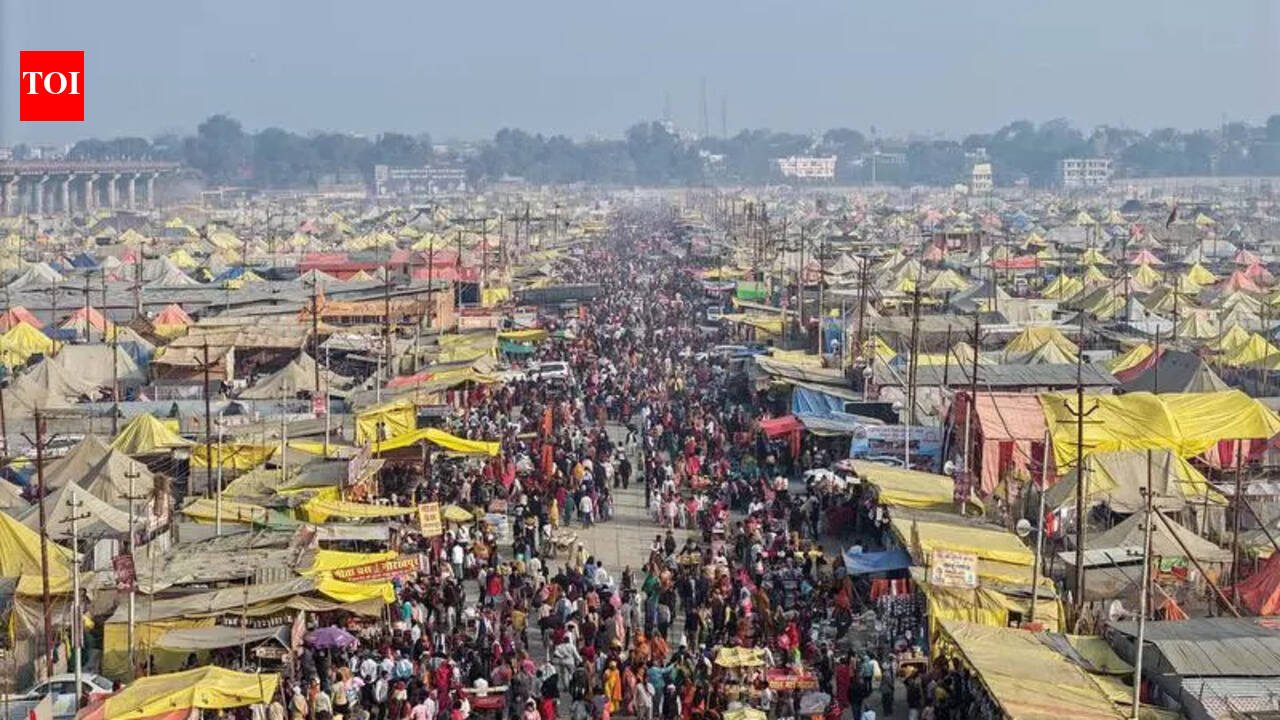
Prayagraj: The Sangam city delivered a major surprise on the economic front this year, recording a sharp rise in Goods and Services Tax (GST) collection during the Magh Mela period.According to state commercial tax department data, GST collection in the Prayagraj zone during Jan 2026 stood significantly higher than the corresponding month last year, when the Maha Kumbh was held. The data show that Prayagraj registered a GST growth rate of 8.83%, well above the national average growth of 6.2%, highlighting the city’s expanding commercial activity. In Jan 2025, when the Maha Kumbh took place, the Prayagraj zone collected Rs 262.72 crore in GST. This figure rose to Rs 285.91 crore in Jan 2026, coinciding with the Magh Mela, indicating sustained economic momentum even outside the Kumbh year. Experts attribute this rise to increased business transactions during the Magh Mela, which draws millions of pilgrims and boosts trade across sectors such as hospitality, transport, retail and services. Greater adoption of digital payments and improved billing practices also played a crucial role in enhancing tax compliance and revenue collection. Senior tax and financial advisor Pawan Jaiswal said apart from Magh Mela-related economic activity, there was substantial billing in gold and silver trade in recent weeks, which contributed notably to GST revenue. He noted that better awareness among traders about invoicing and tax reporting strengthened collections. The Prayagraj zone emerged as one of the leading zones in Uttar Pradesh in terms of GST growth. While Gautam Budh Nagar (Noida) topped the state with a growth rate of 13.13%, Prayagraj secured the 4th position, a notable achievement given the predominance of religious events during the period. Bareilly ranked 2nd with 12.17% growth, followed by Etawah at 9.98%, while Saharanpur stood 5th with 7.89% growth. Overall, Uttar Pradesh recorded a GST growth of 1.11%. A look at historical data underlines Prayagraj’s steady upward trajectory. GST collection in Jan rose from Rs 143.82 crore in 2020 to Rs 144.71 crore in 2021, Rs 161.44 crore in 2022, Rs 172.37 crore in 2023, and Rs 178 crore in 2024, before touching Rs 262.72 crore in 2025 and peaking at Rs 285.91 crore in 2026. Officials see this rise as a positive signal for the region’s economic resilience and growing formalisation of trade.


