



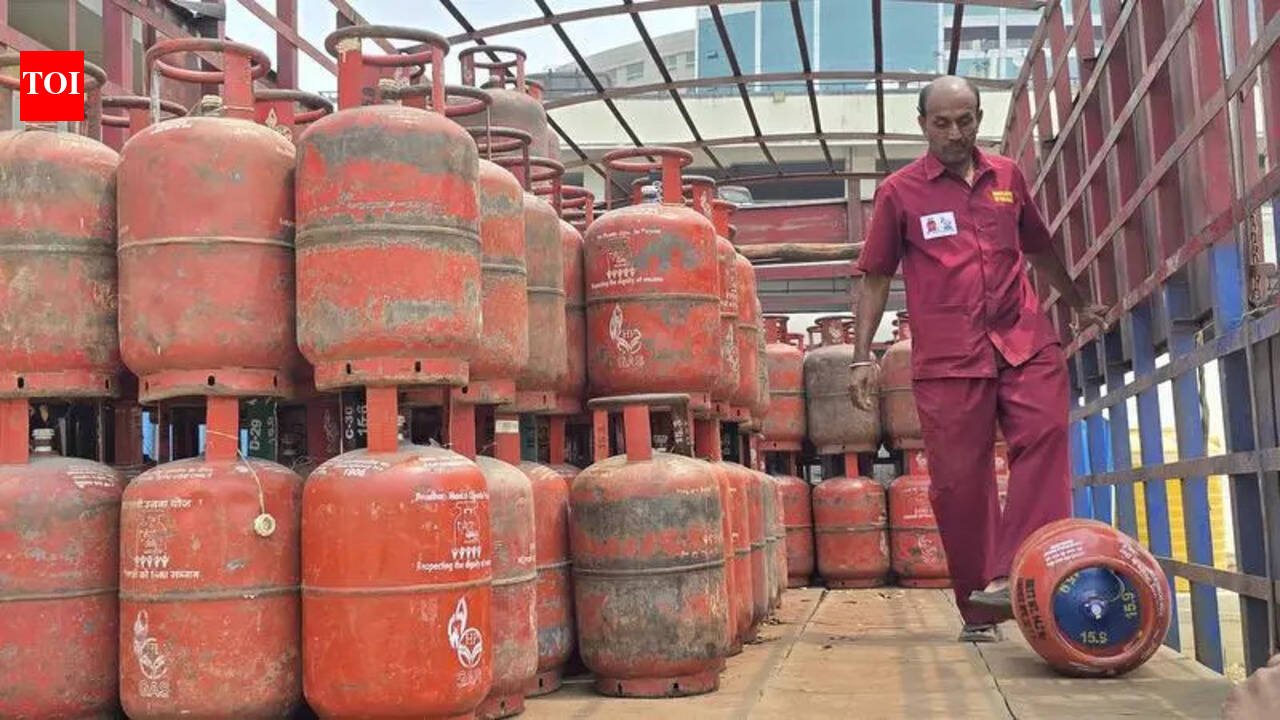
Bengaluru: The spectre of complete shutdown looms over Peenya Industrial Area — one of the largest industrial hubs in the country — with disruptions in gas supply threatening over 3,000 micro, small and medium enterprises (MSMEs) with slowdown or shutdown of operations.Industries dependent on LPG for critical processes such as welding, heat treatment, metal casting, and food processing have been grappling with irregular supply over the past 10 days. The situation is worsening by the day, triggering fears of production losses, delayed orders, and wage stress on workers.Out of nearly 13,500 industrial units in Peenya, about 3,500 units are directly dependent on commercial gas. Many units report that supply has dropped sharply, affecting daily operations and forcing production cuts.“Nearly 3,500 industries in the Peenya region are dependent on LPG, which is a primary source of production activity. Fuel costs account for 15-30% of production expenses. We are already facing fiscal-end pressures and the upcoming festival season, and such disruptions will severely affect output, manpower, and the local economy,” R Shivakumar, former president of Peenya Industries Association (PIA), told TOI.He added that gas agencies have cited supply constraints and are distributing cylinders based on availability. “We request the govt to intervene, handhold the MSME sector, and ensure a proper dispatch schedule from manufacturers. Without timely supply, industries may be forced to halt operations and could face penalties for delayed deliveries,” he said.Peenya, spread over nearly 50sqkm, is one of Asia’s largest industrial clusters, employing close to 13 lakh workers. The cluster generates an annual turnover of about Rs 35,000 crore and contributes nearly Rs 8,500 crore worth of exports, making it a critical pillar of Karnataka’s manufacturing ecosystem.Industry representatives point to global factors exacerbating the crisis. India imports 65–66% of its LPG, over 90% of it from war-ravaged West Asia. The shortage is already disrupting furnace-based operations, gas cutting, and moisture-removal processes across sectors such as foundries, fabrication units, powder coating, and pharmaceuticals. For micro enterprises operating on thin margins, rising fuel costs and supply uncertainty are adding to working capital stress.Despite the gravity of the situation, industry leaders say no formal meeting has yet been convened by the industries department to address the crisis or discuss mitigation measures.DP Danappa, president of PIA, said: “Prolonged disruption could lead to reduced industrial output, supply chain bottlenecks in engineering and automobile components, increased manufacturing costs, and potential job losses across the MSME ecosystem.”Stakeholders SpeakRamesh KN | owner, RKN Heat Treatment SolutionsWe use heat treatment extensively to ensure automobile parts do not wear out quickly. For this process, we rely on LPG cylinders. In a month, we require about 10 commercial gas cylinders, costing around Rs 10,000, depending on the process. Now that the supply has stopped, we are unable to continue production or supply parts due to gas shortageS Manjanna | Alliage Metal Casting Pvt LtdThere is no acute shortage of LPG, but there is definitely a significant reduction in supply. Earlier, we used around 10 cylinders per day; now it has come down to five. A 17kg commercial cylinder costs around Rs 8,000, which is actually lower than usual rates on normal days. LPG is essential for us for making sand moulds, removing moisture, and for gas-cutting activities. Furnace operations have also been affected, and now much of our work has come to a haltKeshav Murthy | owner, Bharani IndustriesWe are going through one of the worst phases. As a fabrication industry, we depend on gas for cutting and welding operations. With the financial year-end approaching and pending corporate orders, we are struggling to respond to clients. We use oxy-flame cutters and require about 100 gas cylinders a month to keep operations running. Now, we are managing with just a handful of cylinders. Despite this, we are continuing to pay our labourers because we cannot afford to lose our workforce


