



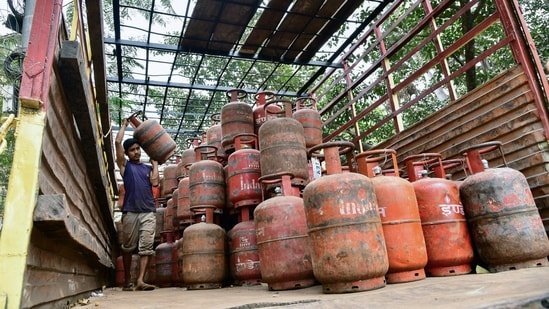
The ongoing LPG crisis is limiting kitchen capacity for tenants in the food and beverages sector, with many reporting operational issues due to cooking gas shortage, affecting production and delivery orders. If shortages persist, restaurants may face revenue drops, cut menus, temporarily close, or relocate, putting pressure on retail rentals. While retail tenants may manage for a few weeks, prolonged disruptions could prompt rent deferments or renegotiations with landlords, real estate experts say.


According to restaurant and hotel associations that Hindustan Times Real Estate spoke with, the situation is manageable for now, and there has been no widespread supply disruption. However, if shortages persist, the impact could widen, potentially leading to outlet closures and prompting several restaurant owners to renegotiate monthly rents with their landlords.
“Running a restaurant is a complex business model with multiple layers, including cash flow, workers’ salaries, electricity bills, taxes and loan repayments. Business is coming in right now, though supply disruptions are being reported, leading some restaurants to optimise operations. But if LPG supply issues persist for weeks or months, it could lead to losses not just for hotel and restaurant owners, but also for the government,” said Niranjan Shetty, chairman (legal), of Mumbai’s Indian Hotel and Restaurant Association (AHAR).
“For now, only a few days have passed, so we hope the situation will improve. Only if the issue persists over the next few days or months could it affect real estate transactions involving restaurants and hotels operating under a lease. Even otherwise, the entire economy may suffer due to this,” Shetty said.
Also Read: India has diversified LPG sources, says Hardeep Singh Puri amid panic over supply
In a statement on March 9, the Bangalore Hotels Association said the sudden stoppage of gas supply has been a major setback for the hotel industry, despite earlier assurances from oil companies that there would be no disruption in LPG availability for at least 70 days. The association warned that if supplies are not restored soon, hotels across Bengaluru may have to temporarily shut down.
“Owners, employees and customers will all be impacted if the disruption continues. Restaurants and hotels operate on thin margins, and even a short interruption in essential supplies like cooking gas can affect daily operations. At the same time, businesses still have to manage fixed expenses such as rent, electricity charges, GST payments and staff salaries, regardless of whether they are fully operational. If the situation persists for long, it will create financial pressure on many establishments,” PC Rao, president of Bengaluru Hotel Association, told Hindustan Times Real Estate.
Manpreet Singh, Honorary Treasurer of the National Restaurant Association of India (NRAI), told PTI that many establishments in Delhi are not receiving regular LPG supplies, and several have shifted to alternatives such as piped natural gas and induction cooking.
He said restaurants are promoting dishes that require less gas or are cooking larger quantities using induction appliances. If the situation continues, the rising costs will affect staff wages and employment, particularly in the unorganised sector. Restaurants may have to reduce the variety of food they offer and rely more on bulk-cooking certain dishes, Singh said.
LPG crisis may put pressure on restaurants, retail rentals
Commercial rentals across prime retail corridors in cities like Bengaluru and Hyderabad remain largely stable for now, but real estate experts warn the situation could change if the US–Israel–Iran conflict escalates or persists.
“At the moment, many businesses are still managing, but if the situation continues for a prolonged period, the pressure will increase. I do not immediately see a change in commercial rentals in such a scenario, but the crisis will certainly affect business activity. If restaurants and other establishments are forced to temporarily shut down, it creates employment challenges. The moment sales decline and the situation drags on, some shops may even have to close down temporarily,” G Ram Reddy, president-elect of the Confederation of Real Estate Developers’ Associations of India (CREDAI), told Hindustan Times Real Estate.
In some pockets, the ongoing LPG crisis is already impacting the retail and restaurant sector, compounding challenges for outlets already facing slowing sales. Disrupted gas deliveries are limiting kitchen operations, affecting food production and order fulfilment. If the shortage continues for several months, some tenants may seek rent deferments or temporary relief from landlords. However, experts say outright rent waivers are unlikely, as the situation does not qualify as a force majeure event.
With LPG shortages affecting kitchen operations and delivery timelines, restaurants may see margin pressure and declining profitability. Some operators could eventually consider relocating to lower-rent areas, downsizing store formats, or renegotiating lease terms if the disruption persists. For now, however, the industry remains in a wait-and-watch mode, as such moves usually happen only when multiple tenants begin taking similar steps, experts said.
Also Read: Strait of Hormuz highlights: Rahul Gandhi warns of ‘repercussions’ amid Hormuz closure
LPG crisis vs the COVID-19 pandemic
Rao said the current situation is somewhat reminiscent of the COVID-19 pandemic, when prolonged disruptions forced many businesses to vacate their premises. The hospitality sector has only recently started recovering from those setbacks. “If the disruption is resolved quickly, we do not expect a crisis of that scale to repeat,” he added.
Unlike during COVID, when numerous restaurants had to shut down completely, the ongoing LPG shortage is expected to cause short-term operational challenges that are likely to last a few weeks. After that, operators may explore relocation or renegotiate leases with landlords to secure deferrals. During the pandemic, landlords often provided rent waivers, asking tenants to cover only maintenance costs, a real estate expert said.
If the LPG crisis persists, restaurant sales could be hit due to limited order fulfilment and reduced consumer demand amid rising food prices and inflation. This is likely to impact revenues, which in turn may affect revenue-sharing arrangements between tenants and landlords, commonly used in high-rent retail and food-service contracts, the expert said.
Also Read: Restaurants face LPG supply crisis, NRAI warns of ‘catastrophic closures’
Average rentals for restaurants across cities
Retail rentals, particularly for restaurants and food outlets on ground floors, remain among the highest in commercial real estate and vary significantly across cities. In Bengaluru, prime retail spaces command around ₹500 per sq ft (carpet area), depending on the micro-market. In Mumbai, rentals can reach up to ₹1,000 per sq ft in high-demand areas. Premium retail districts attract even higher rates. For example, Khan Market in Delhi can go up to ₹1,500 per sq ft, while Cyber Hub in Gurugram typically ranges between ₹500 and ₹600 per sq ft. In Connaught Place, rates generally range from ₹750 to ₹900 per sq ft.
(With inputs from Souptik Datta in Bengaluru and Vandana Ramnani in Delhi)


