



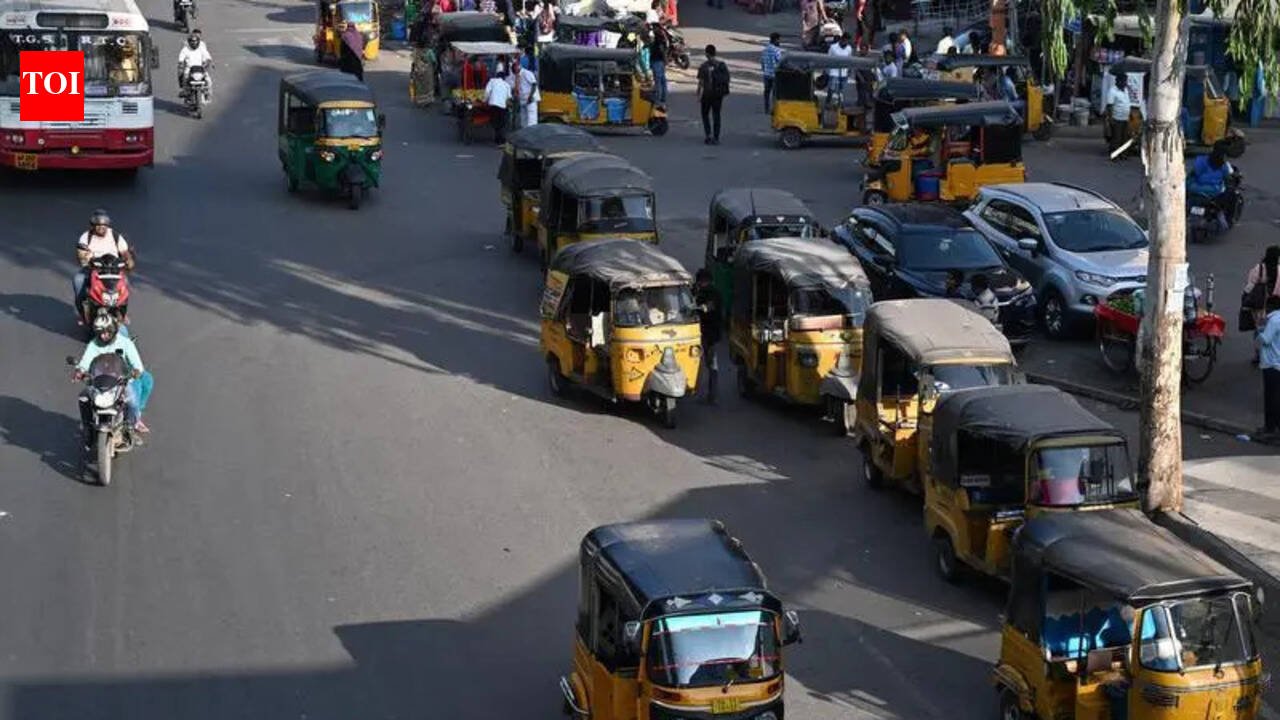
Hyderabad: The ongoing LPG crisis is steadily burning a deeper hole in the pockets of daily commuters, particularly those dependent on auto-rickshaws and cab aggregator platforms. Over the past couple of weeks, fares have surged sharply by 30% to 50%, making even short-distance travel significantly more expensive and unpredictable.For many, what was once a routine expense is now a daily concern. “A three-kilometre ride that used to cost me around Rs 50 or Rs 60 now easily goes up to Rs 90 to Rs120,” said Khushi Singh, a private employee. “It may not seem like much for a single trip, but when you travel twice a day, daily, it adds up quickly,” she added.Cab users echo similar concerns, pointing to a noticeable spike in fares across platforms. “Even during non-peak hours, prices are unusually high,” said K Pavani, who travels from Masab Tank to Gachibowli every day for work. “Earlier, I could rely on cabs being affordable and available, but now I have to think twice before booking,” she said.Adding to the distress is the drop in vehicle availability. Commuters report longer waiting times, especially during peak hours. “I had to wait nearly 25 minutes for an auto last evening. Earlier, I could find one within five minutes. Now it feels like a gamble every time,” Pavani said.In several instances, passengers have also faced demands for additional charges from drivers citing gas shortages. “Some drivers ask for an extra Rs 20 to Rs 30, saying they are struggling to find LPG. If we refuse, they simply cancel the ride or argue,” said Shafa Suleman, who travels from Secunderabad to Begumpet for her college.Independent auto drivers, too, have increased fares, often without fixed rates. “We have no choice,” said Rajesh, an auto driver. “Gas is not easily available, and we spend hours in queues. The extra charge is to cover our losses,” he added.While the govt has attempted to ease the burden by introducing a 30% fare reduction on AC Metro and Metro Deluxe buses, commuters say the relief is limited. “Buses are overcrowded, and last-mile connectivity remains a big issue. You save money on the ticket, but spend time and energy navigating the crowd,” Shafa added.Metro services are also witnessing a surge in ridership, often running beyond capacity. “Trains are packed during rush hours. You either squeeze in or end up spending more on autos,” Singh said.


