






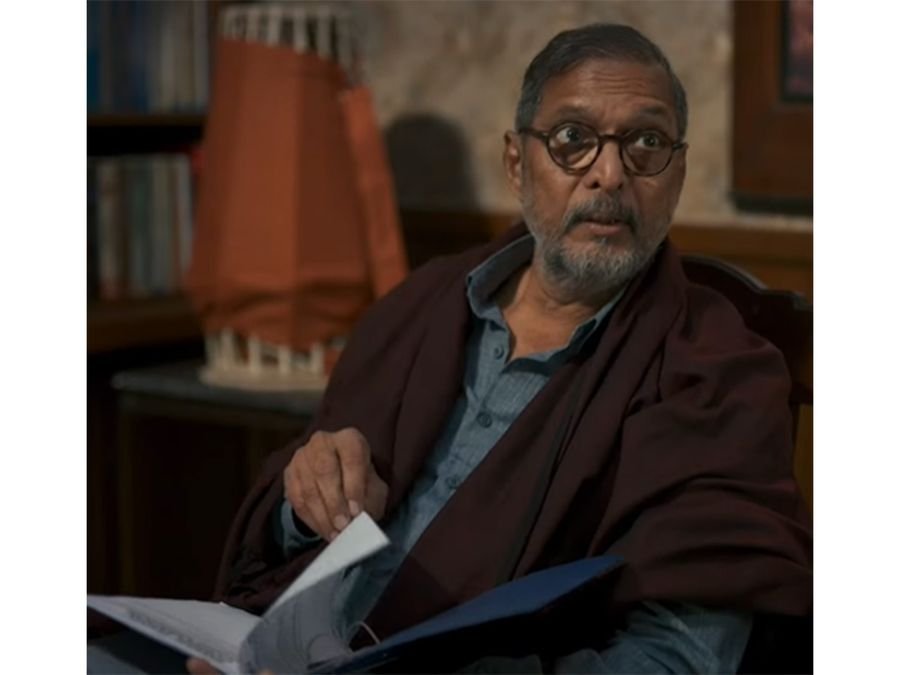
The death of veteran actor Nana Patekar at the age of 75 is a profound loss for Bollywood, Marathi cinema, and the millions of viewers who found truth, intensity, and humanity in his performances. Patekar died on October 8, 2026, after suffering cardiac arrest at his residence in Dona Paula, Goa. He was reportedly taken to Manipal Hospital, where doctors attempted cardiopulmonary resuscitation for around 45 minutes, but he could not be revived. Patekar was never an actor who merely appeared on screen. He occupied it. Whether portraying a soldier, a troubled citizen, a police officer, a survivor, or an ordinary man pushed to the edge, he brought an unmistakable force to every role. His performances were rarely polished in the conventional sense; they were raw, restless, and deeply human. He did not hide pain behind glamour. Instead, he made audiences confront it. That quality made him exceptional. In an industry often shaped by spectacle, Patekar represented the enduring power of performance. His voice, expressions, silences, and sudden bursts of emotion could communicate more than elaborate dialogue. He understood that cinema is not only about entertainment. It can also be a mirror, reflecting social anger, moral conflict, loneliness, courage, and compassion. His contribution extended beyond Hindi cinema. Patekar’s work in Marathi and Hindi films demonstrated the artistic strength of Indian cinema when language and regional identity are treated as sources of richness rather than barriers. His career, spanning more than four decades, reflected a rare commitment to character-driven storytelling and serious acting. His passing also reminds society of the fragility of life. Cardiac arrest can strike suddenly, leaving families and communities struggling to absorb the loss. Public grief should therefore be accompanied by greater awareness of emergency response, CPR training, preventive healthcare, and timely medical attention. Remembering a public figure should not mean reducing his death to a headline; it should encourage conversations that may help save others. Yet Nana Patekar’s legacy cannot be defined by the circumstances of his final hours. It belongs to the characters he created, the emotions he awakened, and the standards he set for performers who followed him. He showed that an actor does not need constant visibility to remain unforgettable. A truthful performance can outlive its era. As the film industry mourns, tributes should move beyond ceremony. The best tribute to Nana Patekar is to preserve the seriousness, honesty, and courage he brought to his craft. His passing leaves a void, but his work remains a living archive of Indian cinema’s emotional power. Nana Patekar’s death is not merely the end of a celebrated career. It is the loss of an artist whose presence made stories feel more immediate and people more real. May his family, friends, colleagues, and admirers find strength—and may his remarkable body of work continue to speak for him.


