



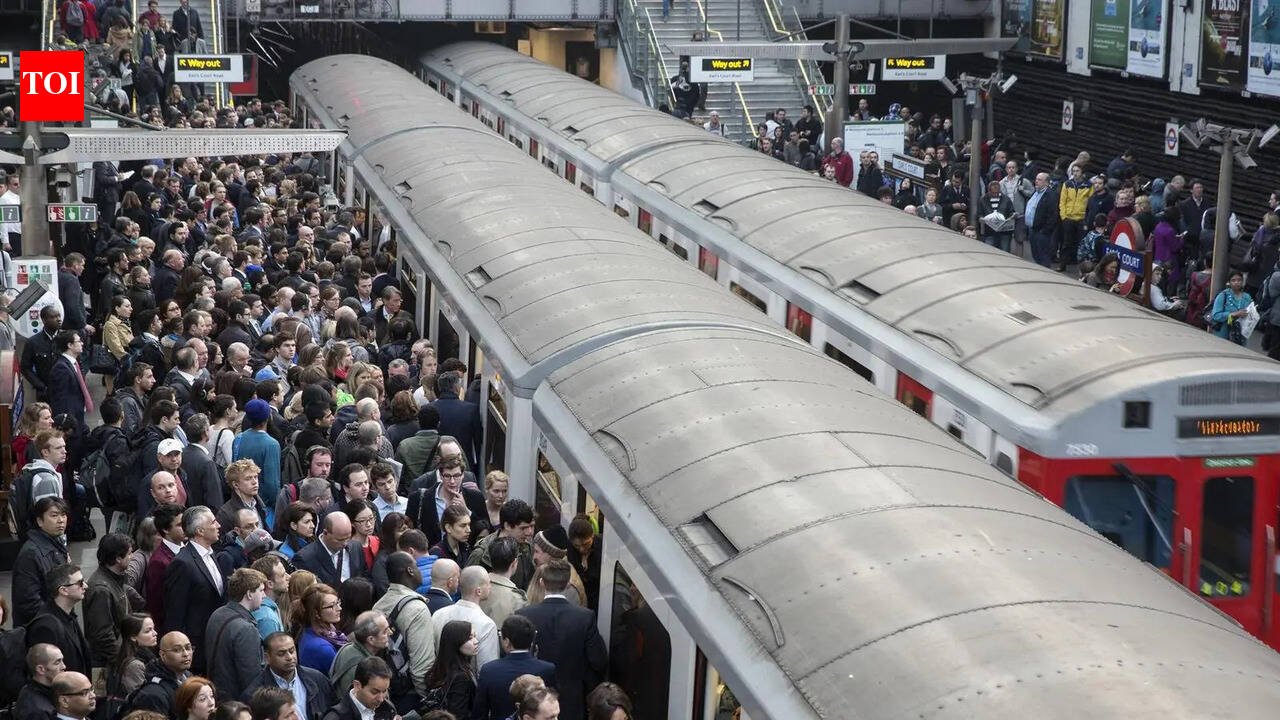
The morning rush hour arrived with fewer trains, longer queues and growing frustration across London as Tube drivers began a fresh 24-hour strike, disrupting journeys for thousands of commuters across the capital.The walkout, which started shortly after midnight on Tuesday, June 2, has affected parts of the London Underground network and reignited a dispute over proposed changes to drivers’ working patterns. With another strike planned later this week, passengers face continued disruption unless negotiators reach a breakthrough.The industrial action began shortly after midnight and follows the collapse of last-minute negotiations between the National Union of Rail, Maritime and Transport Workers (RMT) and Transport for London (TfL). The dispute centres on plans for a voluntary four-day working week for Tube drivers, a proposal unions say could lead to longer shifts, increased fatigue and potential safety concerns.The strike is the first of two planned walkouts this week, a second 24-hour strike is scheduled for Thursday, June 4, unless a breakthrough is reached in ongoing negotiations.
Which lines are affected?
Transport for London warned passengers to expect significant disruption throughout Tuesday, with some routes completely suspended and others operating reduced services.According to TfL, there is no service on the Circle line and parts of the Metropolitan and Central lines, while the Piccadilly line has also been severely affected. Services on other routes are running but at reduced frequencies, with trains starting later and finishing earlier than usual. Passengers have been advised to complete journeys before 9pm and expect limited services before 6:30am.The strike has also impacted journeys to major destinations including Heathrow Airport, with the Piccadilly line among the worst-affected routes. Travellers have instead been directed towards the Elizabeth line, National Rail services and airport coach links.
Why are London drivers striking?
At the heart of the dispute is a proposal by Transport for London to introduce a voluntary compressed four-day working week for Tube drivers.TfL argues the arrangement would remain optional and could improve work-life balance while reducing overall weekly working hours. However, the RMT says members have raised serious concerns about longer daily shifts, reduced flexibility, driver fatigue and the safety implications of working extended hours in a safety-critical role.Following five hours of talks at the conciliation service Acas on Monday, both sides failed to reach an agreement.An RMT spokesperson said TfL had not provided sufficient assurances regarding concerns about fatigue, shift lengths and workplace safety. TfL responded by expressing disappointment that strike action was proceeding despite repeated assurances that the proposed four-day week would remain voluntary.
Official statements
A spokesperson for Transport for London said the organisation would do everything possible to keep services running and minimise disruption for passengers during the strike period. TfL also reiterated that it remains willing to continue discussions with union representatives.Meanwhile, a spokesperson for the office of Sadiq Khan urged both sides to continue negotiations, warning that industrial action has a serious impact on Londoners, businesses and commuters across the capital.The Mayor’s office said its priority remains keeping London moving while encouraging a negotiated settlement between the parties.
What happens next?
While Tube services are expected to return to normal on Wednesday, commuters may still experience residual delays as the network recovers. Another strike is scheduled for Thursday, June 4, raising the prospect of further disruption later this week.For now, London’s transport network remains under pressure as commuters seek alternative routes via buses, the Elizabeth line, the Docklands Light Railway, London Overground and National Rail services, all of which continue to operate normally.With negotiations expected to continue, attention is now focused on whether union leaders and transport officials can reach a compromise before Thursday’s planned walkout. Until then, thousands of Londoners face another day of uncertainty on one of the world’s busiest urban transport systems.


