


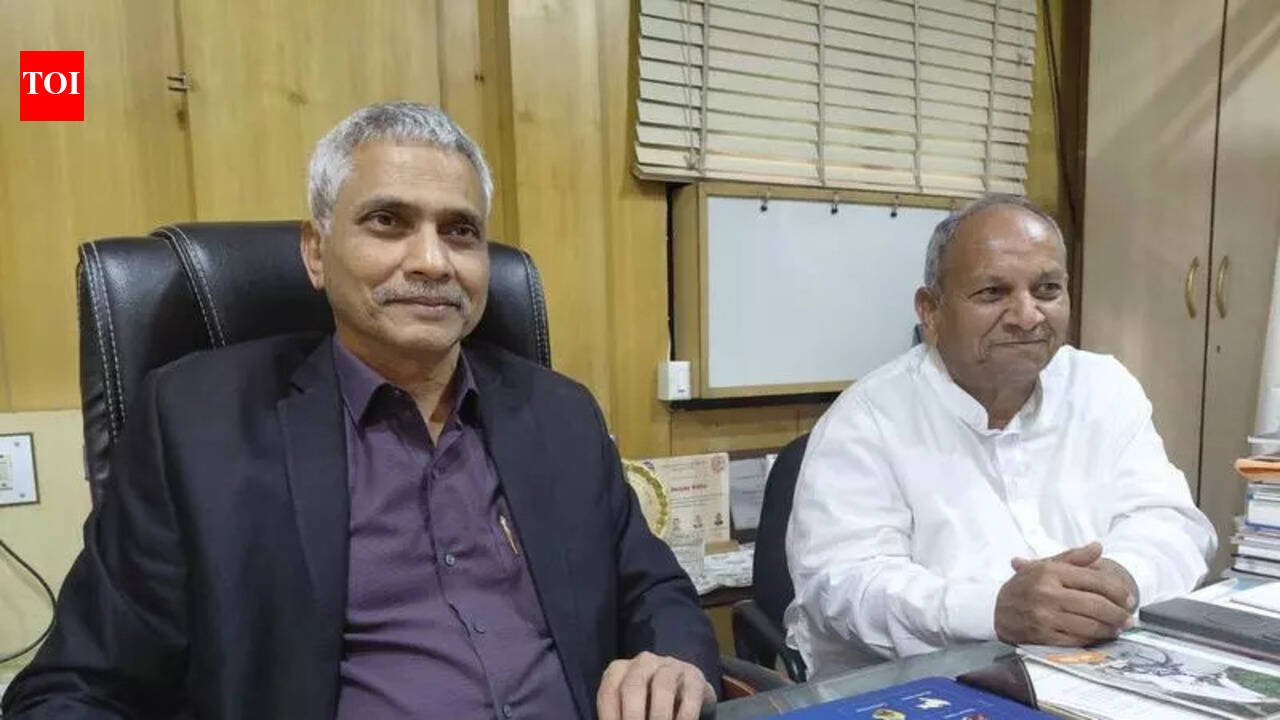
“Organ donation needs the same seriousness, consistency and collective commitment that we showed during family planning campaigns or the polio eradication drive,” Deshmukh said. Drawing from his own experience as a recipient, he spoke about the emotional and physical trauma of being on an organ waitlist. “Waiting for an organ is painful, uncertain and exhausting. No one should have to die because an organ was buried or cremated instead of being donated,” said Deshmukh, who also works as a caretaker at a govt school in Kutch.Deshmukh emphasised that organ donation is beyond religion, caste or ideology. “No faith forbids saving a life. Humanity is above belief systems,” he said, citing examples from Hindu, Muslim and Christian communities where living and deceased organ donation saved lives. He pointed out that even Muslim-majority countries actively practise organ transplant, countering misconceptions that religion is a barrier.Deshmukh expressed concern over Nagpur’s low cadaver organ donation rate. “The city must have at least 500 dialysis patients, yet last year only about 15 cadaver donations took place, yielding around 30 kidneys. The gap between demand and availability is alarming and will only widen,” he warned.He also underscored the economic and emotional burden of long-term dialysis, noting that a kidney patient may visit hospitals nearly 100 times a year, spending hours per session and lakhs of rupees over time. “People count money, but they forget to count time, pain and dignity,” he said.Now living a fully active life, Deshmukh shared that he walks over 5km daily and frequently drives long distances. “A transplant does not end life; it restores it,” he said. Calling organ donation a collective social responsibility, he urged citizens, doctors and institutions to work together so that no one dies waiting for the gift of life.


