









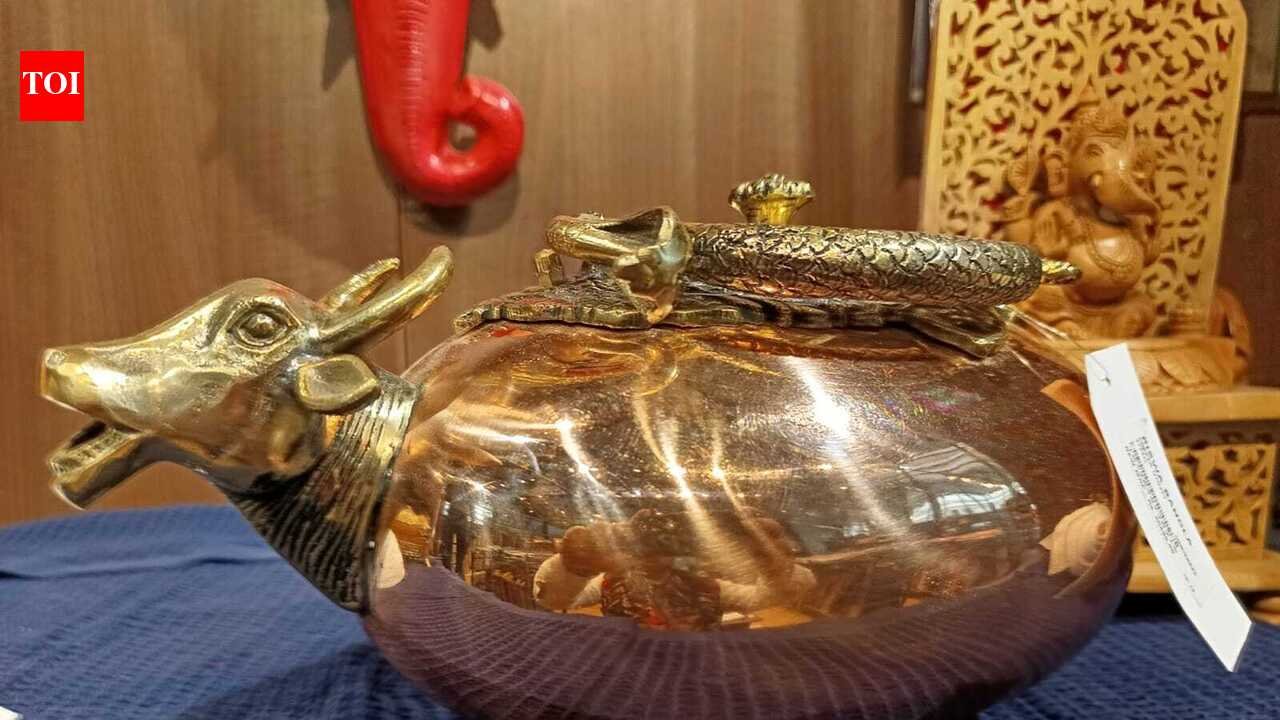
Varanasi: Varanasi has become one of India’s most active centres for the Geographical Indication (GI) movement, with its crafts, cuisine, music traditions and farm-based products receiving legal recognition and growing national visibility.From Banarasi silk and Gulabi Meenakari to Lal Peda, the shehnai tradition, wooden toys and heritage paintings, the city today stands out as a vivid showcase of India’s GI wealth. As Uttar Pradesh tops the country in GI-tagged goods, the state’s cultural and economic heritage is increasingly being preserved, protected and promoted through a wider platform.The Geographical Indications of Goods (Registration and Protection) Act, 1999, was passed by Parliament on Dec 30, 1999, and came into effect on Sept 15, 2003. The law safeguards agricultural, natural and manufactured products whose quality, reputation or identity is tied to a specific region. India’s GI Registry is based in Chennai, and Darjeeling Tea was the first Indian product to receive a GI tag in 2004–05.According to GI expert Padma Shri Rajni Kant—widely known as the ‘GI Man of India’—Uttar Pradesh now has 83 GI-certified products, ahead of Tamil Nadu’s 76. He said Kashi has been central to this rise, evolving into one of the country’s strongest GI clusters.Kant noted that Uttar Pradesh’s progress has been striking. In 2007–08, the state had only one GI product—Allahabad Surkha Guava. Since then, coordinated efforts by artisans, farmer groups, institutions, experts, government bodies and organisations such as NABARD have helped identify, secure certification for and promote many of the state’s unique products.In the Kashi region, GI registrations grew from just two products before April 2014 to 30 by March 2026—around fifteen times higher—positioning Kashi not only as a cultural capital but also as a leading GI hub.The broader Kashi–Purvanchal belt is now linked with 32 GI products which include Banaras Brocades and Sarees, Handmade Carpet of Bhadohi, Banaras Gulabi Meenakari Craft, Varanasi Wooden Lacquerware and Toys, Mirzapur Handmade Dari, Banaras Metal Repoussé Craft, Varanasi Glass Beads, Varanasi Soft Stone Jali Work, Ghazipur Wall Hanging, Nizamabad Black Pottery, Banaras Zardozi, Chunar Balua Patthar, Chunar Glaze Pottery, Mirzapur Pital Bartan, Banaras Wood Carving, Banaras Hand Block Print, Banaras Langda Aam, Ramnagar Bhanta, Banaras Pan, Adamchini Chawal of Chandauli, Banaras Tabla, Banaras Lal Bharwamirch, Chiraigaon Karonda of Varanasi, Banaras Lal Peda, Banaras Shehnai, Banaras Thandai, Banaras Mural Painting, Banaras Metal Casting Craft, Banaras Tirangi Barfi, Jaunpur Imarti, Moonj Craft of Uttar Pradesh and Bhojpur Pidhiya Painting.GI filing activity from the Kashi–Purvanchal cluster also rose sharply. Only eight applications were filed between April 2004 and March 2014 and between April 2014 and March 2026, filings increased to 32—showing about a 300% rise—making application activity four times higher than in the previous decade.Uttar Pradesh’s overall numbers show the same momentum. The state secured 15 GI registrations between April 2004 and March 2014, compared with 69 between April 2014 and March 2026—an increase of about 360%, or 4.6 times. In the same comparison, GI applications from Uttar Pradesh rose from 31 to 139, up by roughly 348%.This trend mirrors India’s broader GI surge after 2015. From 2004 to March 2015, India registered 235 GIs. Between April 2015 and March 2026, registrations climbed to 587—about 2.5 times higher, representing nearly 150% growth.National GI filings also expanded strongly. India recorded 520 applications between April 2004 and March 2015, which rose to 1,465 between April 2015 and March 2026—an increase of about 182%, with filings reaching nearly 2.82 times the earlier level.Kant said the North-East has witnessed a particularly sharp rise in GI recognition. The eight North-Eastern states—Arunachal Pradesh, Assam, Manipur, Meghalaya, Mizoram, Nagaland, Tripura and Sikkim—together had only seven state-wise GI registrations between April 2004 and March 2014. From April 2014 to March 2026, that number jumped to 97—about 1,286% growth, or nearly 13.9 times. Applications from the region rose from around 26 to nearly 300 in the same period, reflecting roughly 1,054% growth.Kant, who has helped secure GI status for 155 local products across 24 states and Union Territories, attributed Uttar Pradesh’s GI success to long-term grass-roots mobilisation, institutional backing and a growing national focus on protecting local heritage.


