



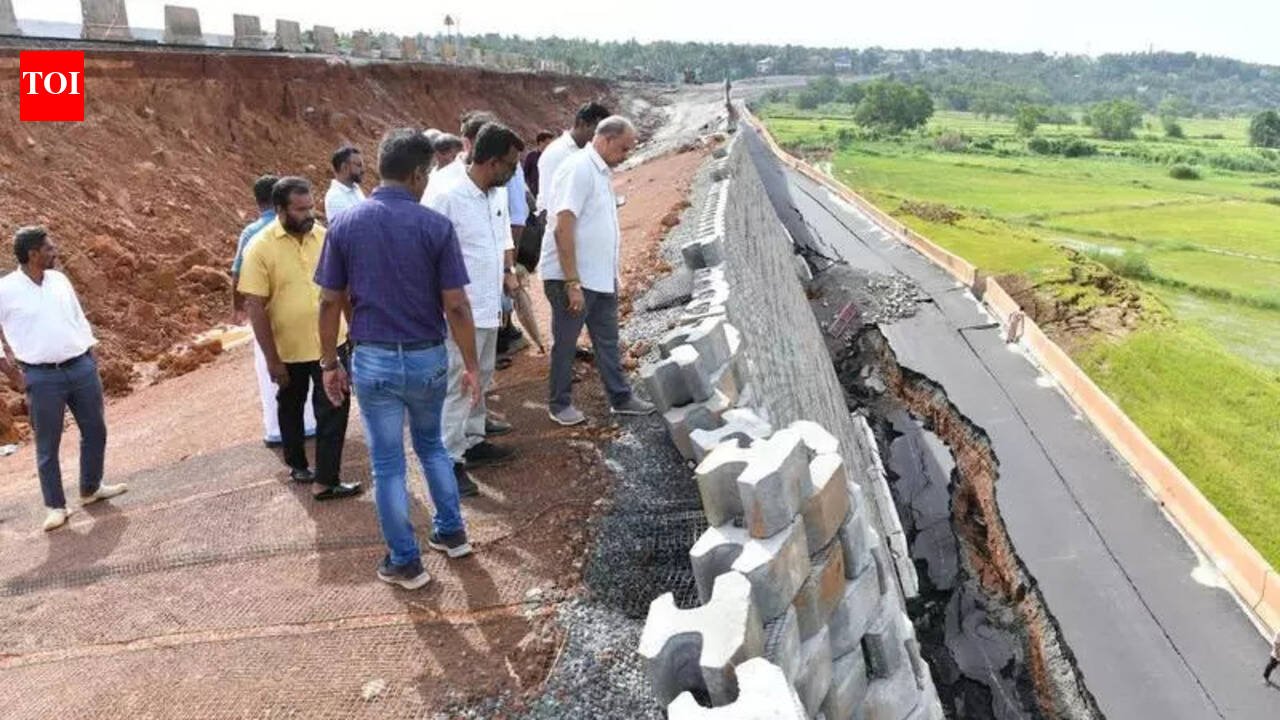
Thiruvananthapuram: Infrastructure projects that ignore natural drainage systems and ecological risks are worsening floods and landslides in Kerala, according to a people’s environmental charter.The charter, prepared by a collective of environmental organisations, researchers and community representatives under the banner of Kerala Paristhithi Aikya Vedi, states that development works across the state often proceed without adequate hydrological or landslide-risk assessments.The document notes that construction of roads, railways, embankments and large infrastructure projects over the years disrupted natural drainage pathways that carry rainwater runoff through forests, wetlands and streams before reaching rivers and the sea. When these water channels are altered or destroyed, rainfall that would normally disperse through natural pathways accumulates rapidly, increasing the risk of floods.Environmental groups behind the charter called for a shift from reactive disaster response to long-term climate governance in state. The document argues that climate risks and ecological impacts must be integrated into public finance, infrastructure planning and urban development.“If you study several areas where national highways pass, you will find that many roads NHAI constructed have come up over natural ponds and streams. In fact, projects are also being constructed on paddy lands. This affects the natural flow of rainwater, leading to floods. That is why we have called for long-term climate governance in the state, which requires appropriate action from govt. What’s happening now is that disaster management authority is doing one thing while local self-govt department may do the opposite. What is required is proper coordination in action and implementation,” said Sridhar Radhakrishnan, environmentalist and chair of the drafting committee.The charter also recommends mandatory climate, hydrological and ecological screening of major development projects before approval. Such screening is necessary to evaluate the impact of projects on floodplains, wetlands and landslide-prone landscapes, it said.“Kerala’s terrain, stretching from the forests of Western Ghats through hills, midlands and rivers to the coast, functions as a connected ecological system that regulates water flow during monsoon. Disturbance in one part of this landscape can trigger cascading environmental effects,” the document noted.The charter pointed out that wetland conversion, hill cutting and infrastructure expansion in hilly regions over the years weakened the landscape’s natural ability to absorb and regulate rainfall. As a result, water that once moved gradually through forests, streams and wetlands increasingly turns into destructive floods or landslides.“What we need is protection and restoration of river channels, wetlands and natural drainage corridors so that monsoon waters can flow freely through the landscape without being obstructed by highways, embankments or urban construction. Otherwise, even two hours of rainfall can flood entire areas,” Sridhar said.


