



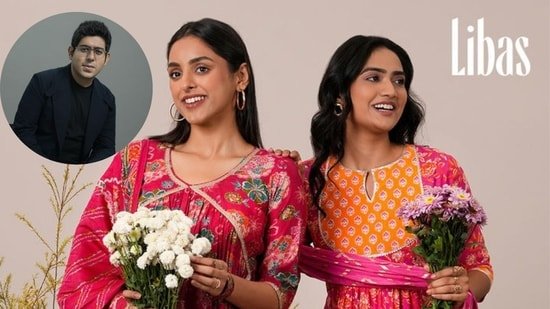
Indian wear is no longer confined to weddings, festivals, or special occasions; it’s stepping confidently into everyday wardrobes. From office-ready kurtas to fuss-free co-ord sets, ethnic fashion is evolving to match the pace and practicality of modern lifestyles. Comfort, versatility, and ease of styling are now just as important as aesthetics, reshaping how consumers approach Indian wear.


At the centre of this shift is Libas, a homegrown brand founded by Sidhant Keshwani that has steadily built its presence as a go-to for contemporary ethnic wear. What began as a digital-first label has grown into a widely recognised name, known for offering trend-led Indian wear that balances modern design with everyday functionality. With a strong focus on ready-to-wear styles, accessible pricing, and fast-moving collections, Libas has tapped into the changing preferences of today’s consumer, one who values both style and ease.
As the brand continues to expand across online platforms and strengthen its presence in India and international markets, it reflects a larger transformation within the category itself.
HT Shop Now spoke to Sidhant Keshwani, Founder and CEO of Libas, to decode the biggest shifts shaping ethnic fashion right now, from trending silhouettes and fabrics to how India is shopping today.
Q. How has consumer behaviour in ethnic wear changed over the years?
Ethnic wear is no longer reserved for special occasions. It has become a part of everyday wardrobes, whether it’s for work, casual outings or daily dressing.
There’s also been a strong shift towards ready-to-wear styles, as consumers now prioritise convenience and consistency over unstitched outfits. Shopping habits have evolved too; people are buying more frequently but spending less per purchase, focusing on versatility and repeat value.
Q. What silhouettes and trends are dominating ethnic fashion right now?
Modern and fusion silhouettes are leading the way. Co-ord sets and contemporary kurtas are especially popular because they’re easy to wear and style.
At the same time, traditional styles haven’t disappeared; they’ve just become more occasion-specific. Consumers today prefer updated classics over heavily traditional designs.
Q. Are fusion styles outperforming traditional ethnic wear?
Yes, especially among younger consumers. There’s a clear preference for outfits that can be re-worn and styled in multiple ways. Indian wear today is styled with a contemporary lens, paired with sneakers, layered creatively, or mixed with Western pieces. Fusion wear offers that flexibility, which is why it’s seeing stronger demand.
Q. How are younger shoppers influencing ethnic fashion?
Younger consumers are driving a comfort-first approach. Fabrics like cotton and mul are now actively preferred for their breathability.
This mindset is also impacting occasion wear, which is becoming lighter and easier to wear instead of heavy and restrictive.
Q. Is there a noticeable shift towards comfort fabrics?
A. Absolutely. With rising temperatures and longer summers, breathable fabrics like cotton and mul are becoming essentials.
Even festive and occasion wear is evolving to be lighter and more wearable, aligning with the need for all-day comfort.
Q. What are Libas’ current bestselling styles?
A. Categories like contemporary kurtas, co-ord sets, and easy suit sets are performing strongly because of their versatility.
At the same time, occasion wear, like festive sets and refined traditional silhouettes, continues to do well, showing a balance between everyday and special-occasion dressing.
Q. Which price points are working best right now?
A. Value-led pricing is key. Products under ₹2,000 perform particularly well online, while those under ₹5,000 remain a strong range offline.
Consumers today are more price-conscious and prefer making smarter, value-driven purchases.
Q. How is Libas standing out in a crowded market?
A. The focus is on offering trend-forward Indian wear at scale without compromising on quality or accessibility.
The brand combines fast fashion agility with customer-centric design, creating pieces that are versatile, easy to style, and comfortable.
Q. How important is e-commerce to Libas’ growth?
A. E-commerce has been central from the beginning. From marketplaces to their own website, online channels drive a majority of sales and help reach a wider audience.
Each platform plays a different role in capturing consumer intent, making the overall strategy more effective.
Q. Is quick commerce the next big thing in fashion?
A. It’s still early, but promising. Quick commerce currently contributes a small share but is growing, especially for last-minute purchases and impulse buys.
High-utility styles like kurtas and co-ord sets are particularly suited for this format.
Q. What role do influencers play today?
A. Influencers are key for discovery and relatability. The focus has shifted from big celebrities to micro and regional influencers, especially in Tier 2 and 3 markets.
This helps create more authentic and culturally relevant storytelling.
Q. Is there a growing global demand for Indian wear?
A. Yes, significantly. Demand is rising not just from the Indian diaspora but also globally, with markets like the US emerging as strong contributors.
The focus is on blending cultural relevance with global design expectations.
Q. What trends will define the future of ethnic wear?
A. Everyday relevance will continue to grow, with more consumers integrating Indian wear into daily life.
Comfort-first fabrics, lighter silhouettes, and versatile designs will dominate, along with the continued rise of fusion styling. Tier 2 and 3 markets will also play a major role in driving growth.
HT Shop Now takeaway: If your ethnic wardrobe still feels “occasion-only,” it might be time for an upgrade. Think breathable fabrics, easy silhouettes, and pieces you’ll actually wear on repeat.
Similar stories for you:
I tried SKINN by Titan’s new perfumes and one of them is now my signature scent!
7 Hair perfumes that let your hair smell great all day long: Perfect for summer
Disclaimer: At Hindustan Times, we help you stay up-to-date with the latest trends and products. Hindustan Times has an affiliate partnership, so we may get a part of the revenue when you make a purchase. We shall not be liable for any claim under applicable laws, including but not limited to the Consumer Protection Act, 2019, with respect to the products. The products listed in this article are in no particular order of priority.


