






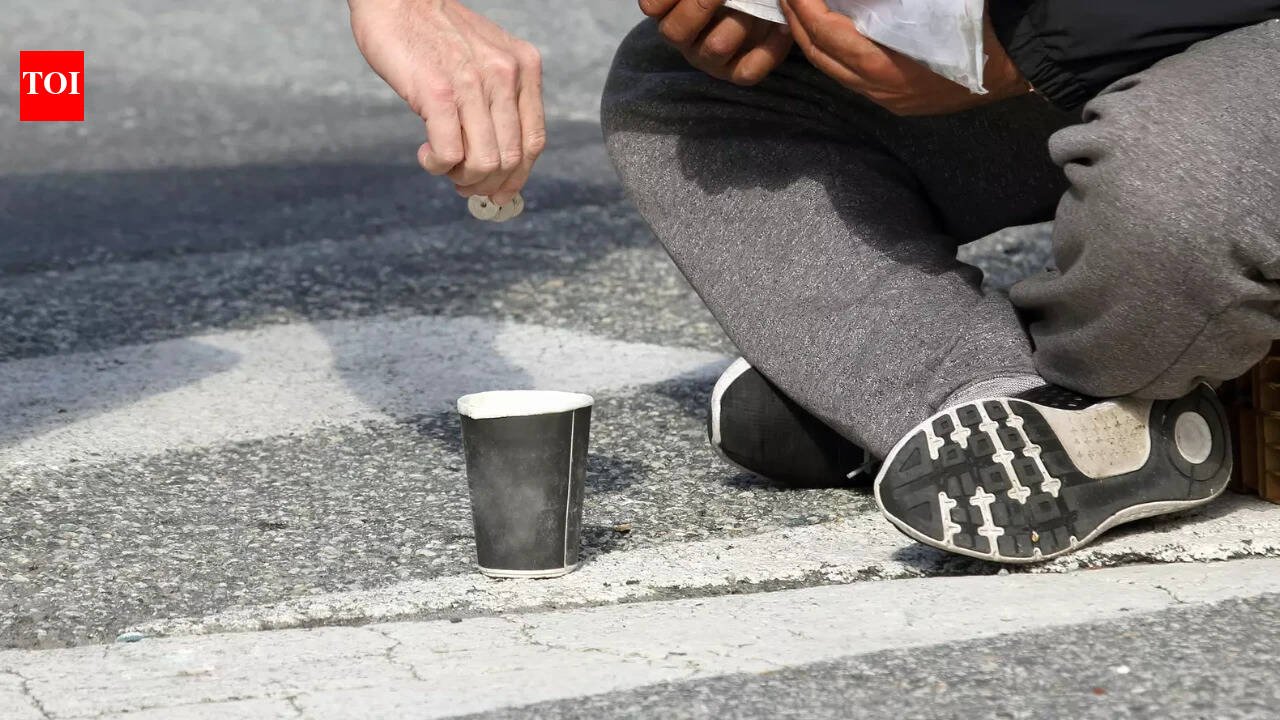
NEW DELHI: In a departure from previous exercises, Census 2027 will not record data on begging separately, with the questionnaire having omitted the category ‘beggars and vagrants etc’ from the list of ‘non-economic activity’. This, as per sources, is due to the very less return in this category in the last census; just around 3.8 lakh non-workers and marginal workers declared themselves as ‘beggars and vagrants’ in Census 2011.Another key change in is the inclusion of ‘natural calamities’ as a ‘reason for migration’, in addition to work, business, education, marriage, moved after birth, moved with household and ‘any other’.While the 2011 census and earlier had listed ‘beggars and vagrants etc’ as marginal and non-workers engaged in ‘non-economic activity’ – in addition to students, household duties, dependents, pensioners, rentiers and others – they will now be counted among ‘others’; as a result, the number of beggars in the country or their classification by age, religion, state/UT, educational status etc will no longer figure in census tables.Sources said the count of ‘beggars and vagrants’ returned by previous census exercises was not considered reliable, as many respondents in this category were reluctant to return themselves as such due to associated social stigma. “Census rules require the enumerator to record the occupation/non-economic activity as declared by the respondent,” an officer said. The count of non-worker beggars/vagrants was thus recorded at around 3.8 lakh in Census 2011, 6.3 lakh in Census 2001 and around 5.4 lakh in Census 1991.As for the new census fields ‘father’s particulars’ and ‘mother’s particulars’ – which will capture date and place of their birth as well as religion – sources said they need to be filled only where the mother and father are not listed in the same household or are no longer alive. The enumeration form already records the religion and date and place of birth of each member of the census household, including parents.
Share your thoughts in the comments
Be respectful · TOI community guidelines
Sources told TOI that some of the trends that may emerge from recording religion of both parents include generation-wise prevalence of inter-faith marriages and history of religious conversion. Also, date and place of birth of parents will give the aggregate data on how many Indians fulfil citizenship criteria as per Citizenship Act.While the latest questionnaire seeks details like mobile number, Aadhaar, voter ID and Indian passport number, where “available”, technically requiring every individual having these documents to share their number, sources said the enumerators have been trained to only persuade the respondents to do so, by assuring them that all individual data will remain confidential. If the respondent is still reluctant, the enumerator shall leave these fields empty.“Even blank fields will enable the census team to cull out data on which of the documents – Aadhaar, voter ID and passport number – respondents are most reluctant to share due to privacy concerns,” an official told TOI.


