






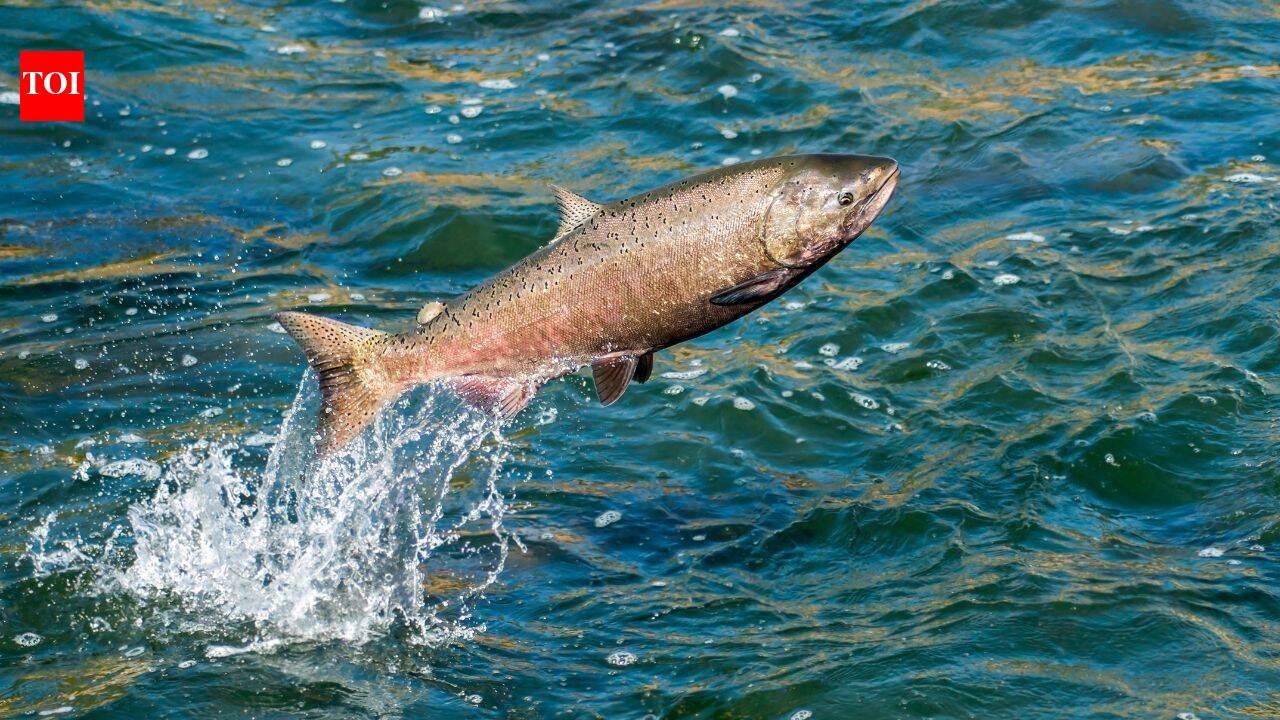
In 2024, California removed an 18-foot dam from Neefus Gulch and restored 1,600 feet of stream, reopening habitat that salmon had been unable to reach for more than seven decades. By January 2026, surveys recorded eight spawning nests, known as redds, in the newly accessible reaches above the former barrier, a sign that endangered Central California Coast coho salmon are beginning to reclaim their historic range. According to NOAA Fisheries, the project is part of a wider push on the Mendocino Coast that has helped drive record returns of more than 30,000 adult coho in the 2024–2025 season and is now allowing fish to move into streams where they have not spawned in 70 years or more.
A small dam with a big impact
Neefus Gulch is a tributary of the North Fork Navarro River on California’s Mendocino Coast. For decades, an 18-foot-high earthen dam blocked the channel, preventing adult salmon and steelhead from swimming upstream to spawn and keeping juveniles from using the cool, shaded pools above. The structure was a legacy of earlier land use, but it had become a hard limit on the life cycle of fish that depend on connected streams to complete their journey from gravel nest to ocean and back.In 2024, Trout Unlimited removed the dam and restored 1,600 feet of stream channel as part of a NOAA-funded barrier removal effort. The work reopened about 1.3 miles of habitat for Central California Coast coho and steelhead. A previous NOAA-supported project had already replaced a nearby undersized culvert, so the dam removal was the final piece needed to restore full passage through this section of the gulch.
Fish return within months
The response from salmon was quick. On December 6, 2024, a Trout Unlimited team spotted the first juvenile steelhead using habitat above the old dam site, an area where salmon had not been seen in roughly 70 years. A few weeks later, on January 6, project manager Nicole Herrara observed a female coho within the restored channel reach. Surveyors then counted 17 salmon nests, or redds, in Neefus Gulch, including four in the newly opened habitat above the former dam.By January 2026, monitoring showed eight spawning nests in the reaches that had been inaccessible for more than seven decades. For biologists who have spent years walking streams with few or no fish, the sight of fresh redds in a once-blocked tributary is a powerful signal that the restoration is working. It also shows how quickly salmon can recolonise habitat once physical barriers are removed and the stream is allowed to function more naturally.
Part of a larger comeback on the Mendocino Coast
Neefus Gulch is one of many projects along the Mendocino Coast where NOAA Fisheries, The Nature Conservancy, Trout Unlimited and other partners have been reconnecting streams, removing barriers and restoring floodplain and in-stream habitat. Over the past two decades, NOAA has supported more than 100 restoration projects across the region, many aimed at helping the endangered Central California Coast coho salmon, a NOAA Species in the Spotlight.Those efforts appear to be paying off. During the 2024–2025 spawning season, monitoring teams estimated that more than 30,000 adult coho returned to Mendocino Coast rivers, double the previous season’s record of 15,000 and a sharp rise from the roughly 3,000 fish that returned annually in some years of the past decade. Biologists describe the experience of counting fish as exhausting but exhilarating, with some surveyors nearly tripping over salmon in narrow channels and seeing dozens of fish in reaches where they once saw none.
Why habitat matters for coho
Central California Coast coho spend about 18 months in freshwater before heading to the ocean, then return as adults to spawn. In a healthy redwood forest, streams would be filled with fallen trees, root balls and other woody debris that create deep pools and slow-water refuges. These structures act like underwater apartment complexes, giving juvenile fish places to hide from predators, rest during winter storms and grow larger before their ocean migration.Decades of logging, road building and channel simplification removed much of that complexity. Many streams were cut off from floodplains and side channels that once provided critical winter habitat. Studies suggest that only about 5 percent of historic winter habitat for salmon remains available today. By putting wood back into rivers, reconnecting floodplains and removing barriers like dams and undersized culverts, restoration teams are trying to recreate the conditions that allowed coho to thrive before intensive land use.
From Dry Dock to Neefus Gulch
The story at Neefus Gulch echoes other recent successes. At Dry Dock Gulch, an offshoot of the lower Big River, two perched road culverts once blocked fish passage so completely that a steelhead chased by a harbour seal had no way to escape upstream. After NOAA-funded replacement with a wider, fish-friendly culvert, the same scene played out with a different ending. The steelhead swam through, and monitoring teams later found juvenile coho above the site, in habitat that may have been inaccessible for 70 to 100 years.During the 2023–2024 monitoring season, crews caught 315 juvenile coho using the restored alcove and stream at Dry Dock. Some tagged fish were caught repeatedly and grew throughout the winter, showing that the restored habitat was not just accessible but productive. The Neefus Gulch dam removal builds on that momentum, adding more connected miles of stream where salmon can spawn, rear and seek refuge during extreme weather.
What the numbers mean
Scientists caution that two strong seasons do not guarantee full recovery. Coho remain endangered, and the region still faces risks from drought, intense winter storms and changing ocean conditions. Yet the jump from a few thousand fish to more than 30,000 adults, along with documented use of restored streams like Neefus Gulch, suggests that long-term investments in habitat, monitoring and management are reshaping the trajectory of this species.NOAA Marine Habitat Resource Specialist Joe Pecharich, who has supported restoration in the region for 20 years, said he and many colleagues never expected to see such large returns in their lifetimes. For local communities, tribes, NGOs and agencies, the growing numbers are a sign that recovery is possible when freshwater habitat, ocean conditions and careful management align.
The next phase of work
Restoration is set to continue. In 2025, Trout Unlimited plans to address barriers at Duffy Gulch in the Noyo River watershed and at Cooper Mill Creek, a sub-basin of the Eel River. The Nature Conservancy is moving forward with large-scale floodplain and in-stream habitat projects on the Ten Mile and Navarro rivers, using NOAA funds to create more winter refuges and complex channels for juvenile coho. Each project aims to open additional miles of stream and give salmon more options as they navigate a changing climate.The Neefus Gulch dam removal shows how a single, relatively small structure can hold back an entire population for generations, and how its removal can allow fish to return within months. As more barriers come down and more streams are reconnected, the hope is that the eight redds recorded in early 2026 will become just one of many signs that Central California Coast coho are reclaiming the watersheds where they once thrived.


