



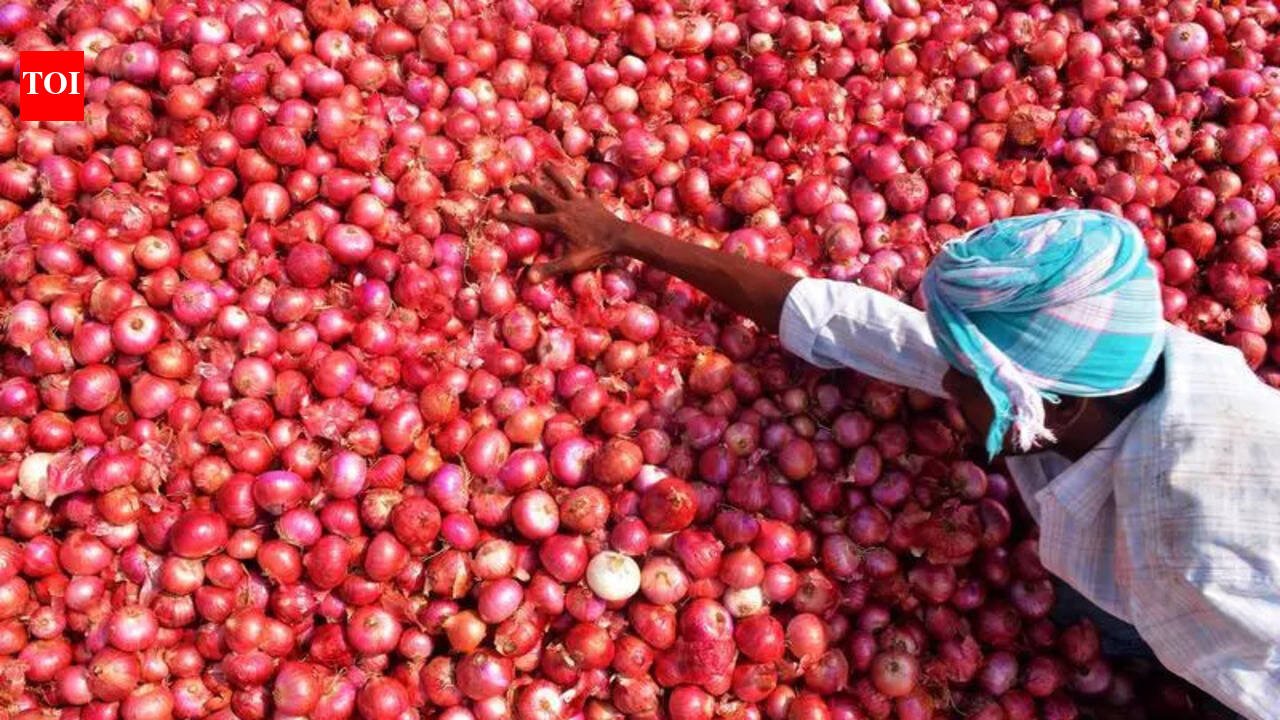
Pune: The announcement of a farm loan waiver of up to Rs 2 lakh in the state budget will provide immediate relief to distressed farmers across the state, said farmers and agriculture activists on Friday. At the same time, they said the implementation of this decision should happen on priority to achieve the desired results.Presenting the budget, chief minister Devendra Fadnavis said crop loans of up to Rs 2 lakh taken till Sept 3, 2025, will be waived under thePunyashlok Ahilyabai Holkar Farmers’ Loan Waiver Scheme.“This decision will certainly provide immediate relief to farmers who are trapped in debt,” said farm activist Vijay Jawandhia from Nagpur.”Many farmers have faced crop losses due to prolonged rainfall and unstable market prices. Waiving loans up to Rs 2 lakh will help them recover from the current crisis.”Onion growers, particularly in districts such as Nashik and Ahmednagar, have reported severe distress due to price crashes and production losses. At the same time, fruit growers cultivating crops such as pomegranate and grapes say changing weather conditions have reduced yields and increased pest infestations. “The success of this announcementlies in the implementation. Also, this waiver will not address the low prices to their harvest, for instance, onion,” said Shantaram Sarvade, another activist from Pune.Ramesh Shinde, an onion farmer from Nashik district, said the loan waiver would ease financial pressure on many farmers struggling to repay crop loans. Fruit growers echoed similar concerns, saying irregular rainfall during crucial crop stages has affected orchard productivity. “Unseasonal rains during flowering and harvesting stages have caused major losses,” said Sunil Patil, a pomegranate grower from Solapur.However, agricultural experts and activists stressed that deeper reforms are needed to stabilise farm incomes and address structural issues in the sector. “Loan waivers can help farmers survive difficult times, but they cannot be the only solution,” Jawandhia said. “The govt must also focus on ensuring fair crop prices, strengthening irrigation systems and expanding crop insurance to protect farmers from climate-related risks.“


