






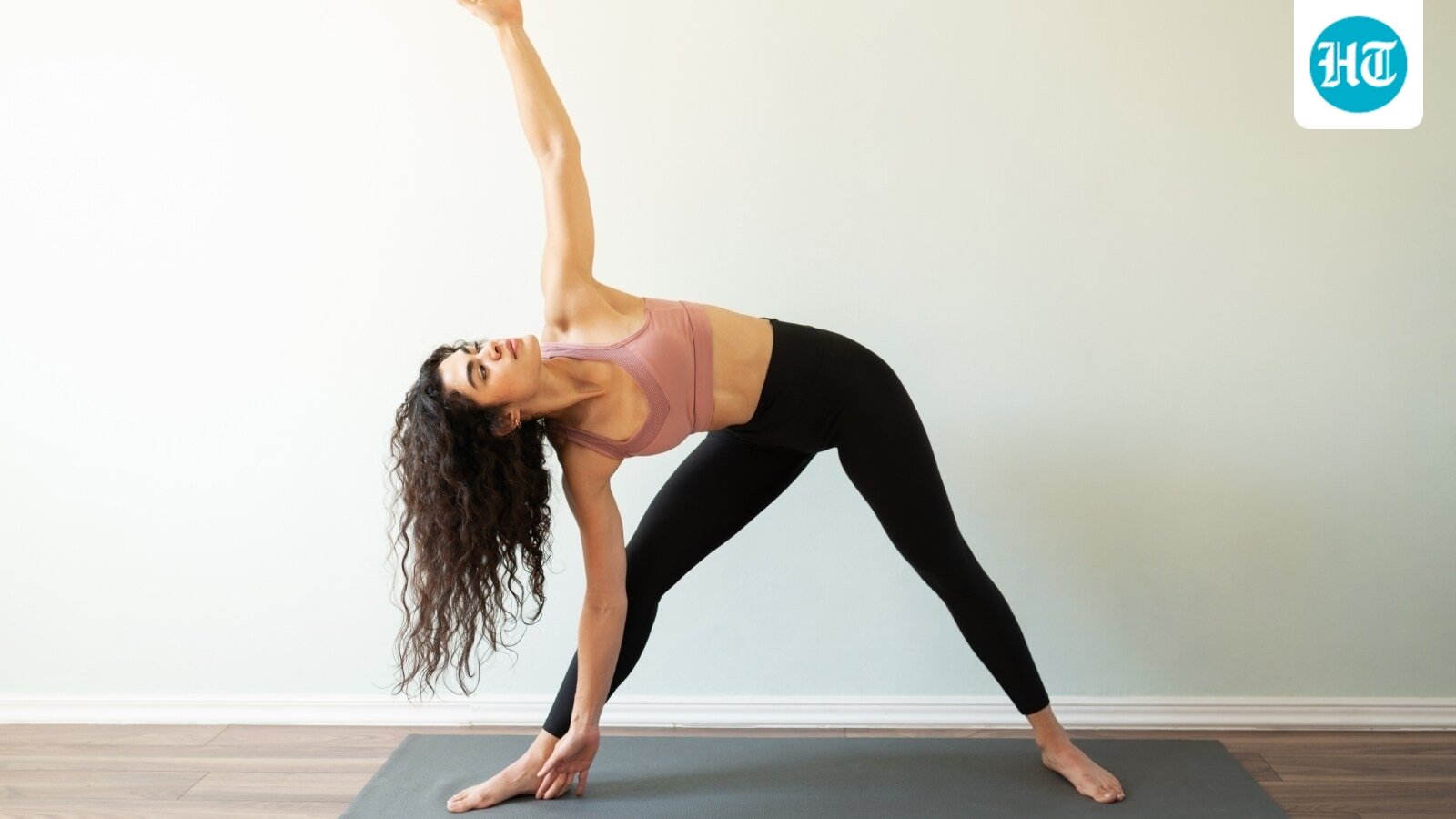
As the day comes to an end, after work, most people reach for their phones to unwind and relax. What begins as a five-minute break can quickly stretch into an hour or two. The consequences of doomscrolling are already well-known. So, is there any productive way to spend your evening? You may not feel like reading or watching anything lengthy after your mind has been occupied with work all day. This is where yoga comes up as a better alternative, as you relax more productively without putting in too much mental effort.
ALSO READ: Can yoga replace your workout? Fitness expert shares when it is enough and when it is not
So, how can you build an evening yoga routine? Kushal Pal Singh, fitness and performance expert, Anytime Fitness India, walked us through what the routine should look like.
There are tangible benefits to replacing doomscrolling with yoga. Singh highlighted how excessive screen time in the evening may affect your sleep. He described, “Prolonged exposure to screens before bedtime can suppress melatonin, the hormone that regulates sleep, making it harder to fall asleep and reducing sleep quality. This is where yoga can become a healthier alternative.”
Why should you choose yoga over doomscrolling?
After work, it may feel convenient to turn to your social media feed for quick entertainment, laughter and relaxation. However, yoga may provide more long-lasting benefits than doomscrolling. Yoga does not have downsides as your doomscrolling does. We asked the expert to share that regularly practising yoga in the evening may support both the mind and body.
The fitness expert listed these main benefits:
1. Calms the nervous system
- Gentle yoga, mindful breathing, and relaxation techniques activate the parasympathetic nervous system, our body’s natural ‘rest and recover’ mode.
- This helps lower stress levels, slow the heart rate, and ease mental fatigue accumulated during the day.
2. Releases physical tension
- Long hours spent sitting at desks or looking at screens often result in stiffness in the neck, shoulders, spine, and hips.
- Simple stretches such as Child’s Pose, Cat-Cow, and Supine Twist help relieve muscular tightness while improving flexibility and circulation.
3. Promotes better sleep quality
- Unlike digital content that keeps the brain stimulated, yoga signals the body that it’s time to unwind.
- Even a consistent 10–15-minute bedtime practice can improve sleep quality, recovery, and next-day energy levels.
How to smarter yoga routine?
Kushal recommended these steps:
- Create a digital sunset by switching off screens at least 30–60 minutes before bedtime.
- Spend 10–15 minutes doing gentle stretches followed by deep breathing or meditation.
- Keep your bedroom cool, dimly lit, and free from unnecessary digital distractions.
You are not expected to perform difficult yoga poses suddenly. The transition should be gradual. Start by turning off your screen to remove a major source of distraction, and then gently move your body to release the stiffness accumulated after a long day of sitting at a desk. Yoga can be a simple and effective way to achieve both.
Kushal also reiterated that yoga gives you the chance to ‘recover.’ He said, “Yoga is about giving your body and mind the opportunity to recover. A mindful night-time ritual can improve sleep, reduce stress, enhance recovery, and help you wake up feeling more refreshed, focused, and ready for the day ahead.”
Note to readers: This article is for informational purposes only and not a substitute for professional medical advice. Always seek the advice of your doctor with any questions about a medical condition.


