






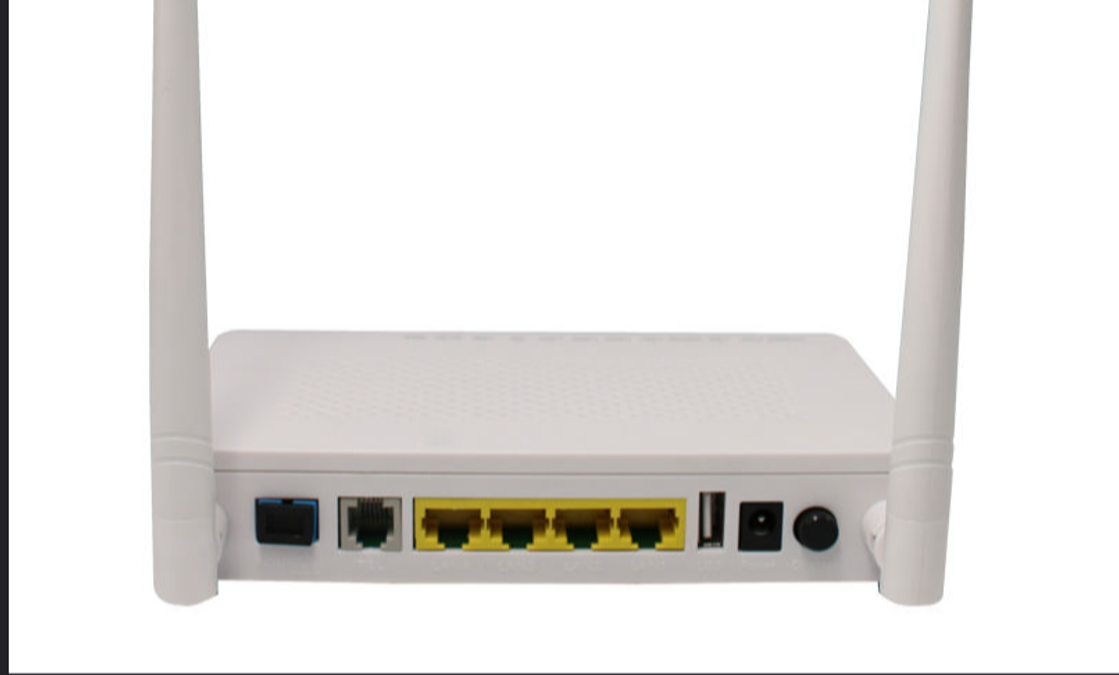
Travelers increasingly rely on internet connectivity for navigation, communication, work, entertainment, and online services. However, accessing the internet while travelling often means relying on unfamiliar networks in public spaces. While these networks provide convenience, they pose a potential risk from a security and privacy perspective. This is where a travel router addresses many of these challenges faced by travellers.
A travel router can create a private network around the traveler by connecting to the available internet connection and then providing its own Wi-Fi network for travellers’ devices. This creates a consistent networking environment for all devices, is secure, and is easier to manage. With that said, let us take a look at how travel routers create secure networks anywhere.
Travel Routers Create a Private WiFi Network
The primary function of a travel router is to create a private WiFi network by connecting to a pre-existing internet network. For instance, if you are staying at a hotel that provides WiFi, you can connect the travel router to the hotel WiFi and connect all of your devices to the travel router’s network. By doing so, you can connect all of your devices to a private WiFi network of your travel router that you can manage and secure.
Since travel routers come with different security features, make sure that you enable all the relevant security configurations, such as WPA3, firewall, etc., through http://192.168.0.1 to properly secure the network, as simply owning a travel router doesn’t automatically create a secure network.
They Reduce Direct Exposure to Public Networks
Public WiFi networks, including those at hotels, cafés, airports, and other public locations, are shared environments. Depending on how the network is configured, devices connected directly to the same network may have some ability to discover or communicate with one another. A travel router acts as an intermediary, preventing anyone from snooping on your devices.
The public WiFi network can only see the travel router as the connected client, while your devices communicate through the router’s private network. This provides an additional layer of security for your devices to connect to the internet.
They Come With Built-In Firewall Protection
The good thing about travel routers is that they come with included firewall functionality. The travel router can monitor and control the traffic moving between the external connection and your private network. This can prevent unsolicited and unauthorized connections from reaching your devices and network.
You can properly configure the firewall of your travel router through http://192.168.1.1 and add an extra layer of security while you are using public WiFi networks. Keep in mind that a firewall isn’t a replacement for endpoint security, and your devices should still have current software, security updates, and appropriate security settings.
They Come With VPN Support
Another way in which travel routers create a secure network anywhere is by supporting VPN. Many travel routers these days support VPN clients, and when configured properly, the router can establish a VPN connection to a VPN provider or a private server. This means that all of the connected devices on the network can send their traffic through that VPN without having to configure a VPN on every device separately.
This means that all the devices can stay protected against network observation, especially on public and untrusted networks.


