



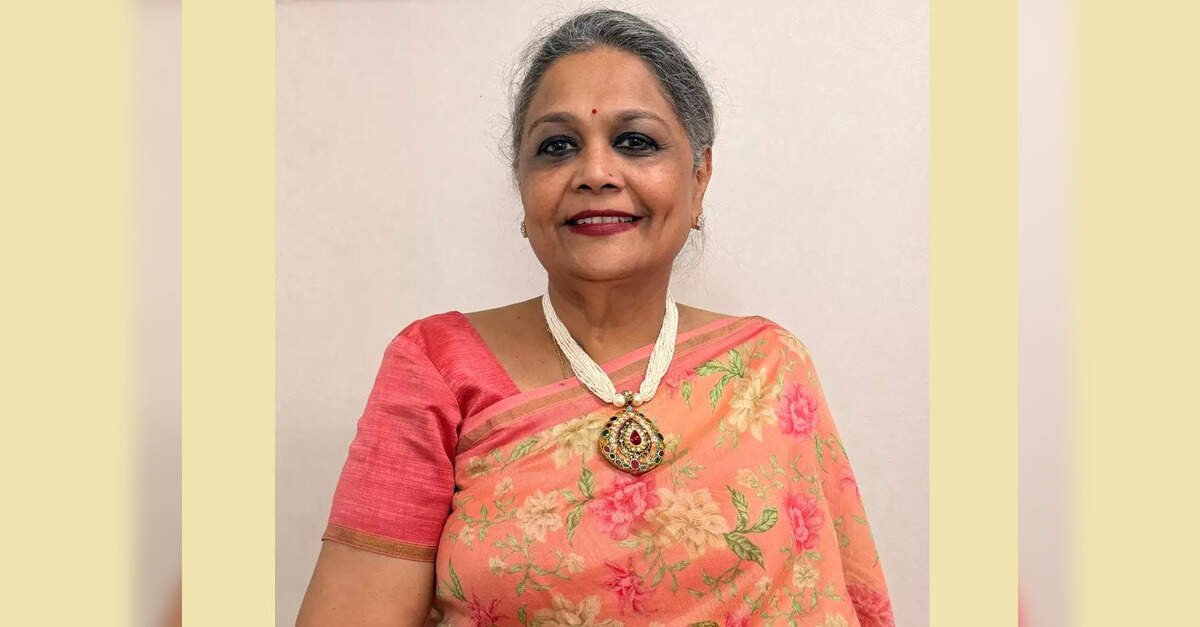
With early adoption of AI, experiential pedagogy and holistic assessment, AVM Group of Institutions has been aligning its school model with emerging education reforms and student wellbeing priorities. In this conversation, Jyoti Kumar explains how the group embeds AI and robotics from pre-school, invests in continuous teacher upskilling, reduces exam stress through qualitative assessments, and balances board outcomes with life skills, vocational exposure and social-emotional learning.
Q. How are you integrating Artificial Intelligence into the school’s learning model, and what early outcomes or shifts have you observed?
Jyoti Kumar: We introduce AI and robotics from pre-school up to Class 10, embedding them within the curriculum through specialised external partners. Students also participate in related competitions and programmes, which has boosted their confidence and brought several accolades to the school. Our journey began with STEM and STEAM initiatives and has gradually evolved into structured AI and robotics integration over the years.
Q. What mechanisms have you put in place to ensure responsible use of AI while addressing concerns around plagiarism, over-dependence and data privacy?
Jyoti Kumar: Responsible use is critical. Beyond AI, we focus on digital discipline more broadly. We run a cyber security club where students regularly discuss safe and ethical technology use. Assemblies often include student-led presentations on responsible AI, helping build awareness and leadership so they can apply these principles across subjects and platforms.
Q. Given that teacher quality is pivotal to student success, how have you institutionalised continuous training, upskilling and performance evaluation?
Jyoti Kumar: Professional development is a core priority at AVM. At least three days each week are dedicated to faculty training. Our teachers are certified trainers and regularly engage with programmes from Google, Microsoft and various AI-focused initiatives. As leaders, we also participate in these programmes to stay updated and guide our teams effectively.
Q. What structural or curricular changes have you introduced to align with NEP 2020, particularly around competency-based and multidisciplinary learning?
Jyoti Kumar: Even before NEP 2020, we had already moved away from textbooks and formal exams up to Class 7. Our assessments are holistic and largely qualitative, focusing on experiential, project-based, curiosity-driven and collaborative learning. This approach aligned naturally with NEP’s vision, thanks to our teachers and management who believe strongly in these pedagogical principles.
Q. With rising concerns about student stress and burnout, how are you redesigning academic load, assessment patterns and counselling support?
Jyoti Kumar: Since we do not follow traditional exam-heavy structures in early years, stress is significantly reduced. Assessments are embedded within engaging activities like Maths Mela, language celebrations and financial literacy projects such as ‘Gulak’, where students create and sell products and contribute to social causes. We combine academics, co-curriculars and soft skills to ensure balanced development.
Q. How do you balance board exam performance with future-ready, skill-oriented education?
Jyoti Kumar: We focus on teaching students how to learn rather than just completing the curriculum. Intensive board exam preparation begins only in Classes 8 to 10. We closely monitor students’ emotional wellbeing, conduct counselling sessions and maintain strong parent communication to avoid undue pressure. Our goal is to develop confident individuals, not just high scorers.
Q. How do you visualise the Indian school education landscape evolving over the next decade?
Jyoti Kumar: Education will continue to evolve, especially with NEP 2020 encouraging vocational exposure and multidisciplinary learning. At AVM, we already offer subjects like mass media, AI and robotics, yoga, drama, commercial applications and sports education. This blend, along with life skills and counselling support, will help students become more resilient and adaptable in a changing world.
Q. How many schools and students are currently under the AVM Group?
Jyoti Kumar: We have three schools under the AVM Group with approximately 5,000 students in total.


