


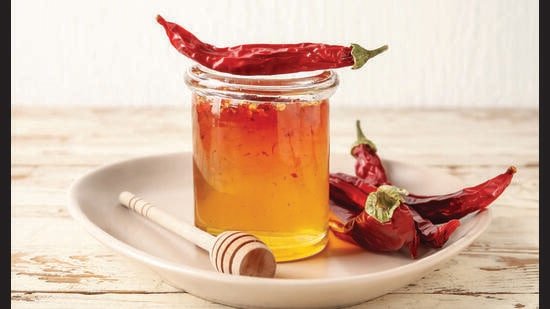
Flavour mixes are changing so fast, even Spellcheck can’t keep up. What on Earth is Swicy? It’s sweet-spicy, the flavour of hot honey that‘s being drizzled all over desserts and snacks. What’s Swalty? It’s sweet-salty. Rubix Foods, a US-based flavour and ingredient manufacturer, predicts that it will be everywhere soon. The limit does not exist. There’s spicy + sour; a spicy, sweet AND sour triad. And Fricy, fruit-and-spice mixes.
In the food industry, these mashups “go beyond the flavours we’re used to, but still feel familiar,” says chef Hina Gujral. “Chefs used to hesitate to tamper with classic taste profiles. Now, we’re thinking about food in more playful, experimental terms.”
As with music, fashion and business, not every collab lands, not every mashup is a hit. Before you stick your tongue out, be prepared for surprises.
Register here
Maximalist flavours are merely fusion food experiments with a 2026 update. We’ve lived through butter-chicken pasta. We’ve overpaid for chocolate pani puri and cronuts. “The new mashups are driven by ingredients rather than cuisines or dish pairings,” says Azaan Qureshi, chef and cuisine consultant at Delhi’s Silq. They feel more refined because they’re created with a closer understanding of how certain flavours work together. So, it’s not a croissant-donut hybrid anymore, it’s sea-salt in a cheesecake. It’s not a forced East-West experiment, it’s miso caramel in a cookie. Gujral has tried a Swicy strawberry salsa and a spicy-sour ramen rasam.
“Hybrid flavours work because they balance comfort with surprise,” says Qureshi. It means that chefs have to figure out pairings that the diner has not seen, but wouldn’t mind trying. “We’re studying fermentation, acids, fats, aromatics, and molecular flavour pairing,” says Saniya Puniani, the co-founder of Como Agua. The Goa restaurant serves an olive brine and white chocolate cocktail that hits both sweet and salty notes. “On paper it sounds unusual, but from a flavour-chemistry perspective, salt enhances sweetness and creaminess.”
Chef Harish Rao from Goa’s Hosa draws on the south Indian belief of arusuvai, in which every dish should balance six tastes: Sweet, sour, bitter, astringent, spicy, and salty. Today’s mashups simply bring two or more flavours into sharper contrast. “With a chilli chocolate ice-cream, the surprise element – the chilli – has to bloom later, leaving a mild lingering taste that hits you when you don’t expect it. It’s a push-and-pull between tastes.”
Hot to go
Swicy and swalty flavours are not exactly new. We’ve all scarfed down chilli-dusted guava or mango on the way home from school. The Chinese have used honey-chilli drizzles on their bar nibbles for years. Honey-mustard dates back to Roman times. “For global consumers, it’s discovery; for us, it’s simply a new way of looking at traditional flavours,” Qureshi says.
And it’s a way of presenting them anew. Delhi’s Silq serves a clarified tequila cocktail of mango lassi, coriander and green chilli, and a beetroot-guava-pahadi salt concoction, which brings the spicy-sweet-sour triad of flavours into play. Husband-wife duo Tanya Nambiar and Nikhil Kutty’s decade-old sauce brand, El Diablo, aims to “take Indian ingredients and twist them in fun ways,” says Nambiar. They sell a cranberry-ghost-chilli sauce, using Bhut Jolokia; there’s a mango-garlic sauce and a pineapple-chilli version, which has a peppery aftertaste. Their kaccha aam sauce blends honey, vinegar, onions, and green chillies, and was inspired by Kutty’s memories of his grandmother serving him raw mango slices with chilli powder sprinkled on top, in his childhood.
Lingering notes
Some pairings are best as one-night stands. A green-chilli ice-cream or chilli-oil donut might go viral, but neither will make the average diner want a second helping. So the hybrids with the most staying power are the ones that fit their audience. Bruno’s Pizzeria in Delhi went through at least 50 versions of their hot honey pizza drizzle before they found a recipe that worked. Nambiar and Kutty test out 30 versions of their sauces. “It has to be so versatile that it goes with everything, be it salads, sandwiches, samosas, kathi rolls, even poha – all the combos that would have shocked our parents a decade ago,”says Nambiar.
And behind the mashup flavour names and cutesy titles, there’s a business to run. “At the end of the day, you have to ask yourself: Is this marriage of flavours worth it?” says Gujral. “Otherwise, we’re not innovating but just circling back to the days when we blended flavours just for the shock value.”


