



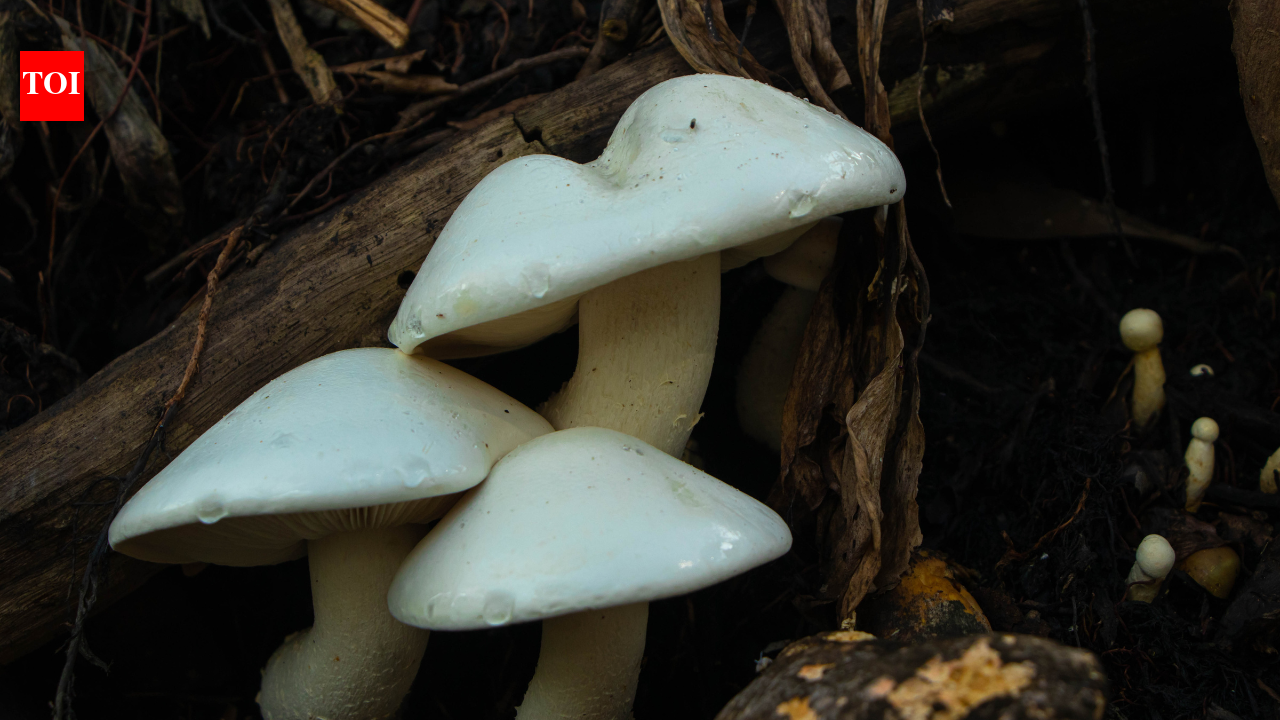
Ever thought of picking fresh, juicy, and organic market-fresh mushrooms from your kitchen corner without the hefty price tag or chemical sprays? Let’s imagine this scenario: fresh button or exotic oyster varieties of mushrooms, packed with flavour, grown in humble plastic bags with materials readily available in any corner shop. No greenhouse is required. Just some waiting time and these five easy-peasy steps. In India, during the humid monsoon months, conditions are ripe for backyard farming of these tasty varieties. Studies indicate home-grown varieties of fungi are packed with higher nutrients than those we buy from shops. No pesticides are used. In research done by the Indian Council of Agricultural Research (ICAR-IIHR), it is found, “Mushroom cultivation on polybags retains 20-30% higher vitamin D levels due to controlled UV exposure.” No waiting for seasonal supplies. Enjoy your home-grown variety of tasty and organic fungi. Ready to turn your balcony into a fungi farming hub? Let’s begin. It’s easier than brewing your cup of chai.
Why grow mushrooms in plastic bags at home
Mushroom growth using plastic bags is a game-changer for newbies. It is inexpensive (requiring an investment of less than Rs 200), space-friendly, and failsafe. According to a 2019 study conducted by the Tamil Nadu Agricultural University, polybag cultivation produces 1-2 kg of produce per bag in just 30 days, which is 40% more efficient than conventional bed cultivation. According to Dr S. Marimuthu in TNAU Mushroom Production Manual, lead researcher on the study, “The use of perforated plastic bags for mushroom production ensures optimal aeration, thus preventing contamination, which is akin to natural log cultivation”. Moreover, it is an organic process, which means no chemicals are used, making for a pure and healthy product that can boost your immunity levels. Words such as “easy home mushroom cultivation” are currently trending because of the love
Material you’ll need for growing mushrooms
Collect these essentials without any hunting:
- Sterilised straw or paddy husk: 5 kg (to soak overnight).
- Mushroom spawn: 500g (oyster or button variety, buy from local agri shops).
- Perforated plastic bags: 10 large ones (50 x 100 cm with perforations).
- Spray bottle and rubber bands.
- Dark, humid corner (like under your sink).
What’s it going to cost? Pennies compared to your grocery bills.
5 easy steps to grow organic mushrooms at home
Follow these for bumper crops:Step 1: Prepare substrate – Boil straw for 1-2 hours to kill bugs, drain, and cool.Step 2: Mix spawn – In a clean place, mix cooled straw with 10% spawn. Fill bags loosely.Step 3: Seal and incubate – Tie bags with rubber bands, poke 20-30 holes, and hang in shade (25-30°C) for 15 days – white threads mean it’s working!Step 4: Trigger fruiting – Move to cooler light (18-22°C); mist twice a day.Step 5: Harvest – Twist off mushrooms when caps flatten (day 25-30). Get 2-3 flushes per bag!Pro tip: Use a damp cloth cover in Delhi’s dry winters for humidity.
Common pitfalls to avoid
- Daily check for green mold growth, and discard if necessary.
- Rotate bags for uniform growth.
Scale up:
- Feed a family of ten for a week with ten bags.
- Polybag techniques guarantee yield success even in summer, achieving a whopping 90%.
- Savour them in a stir-fry or curry, and taste the freshness of the bazaar.
There you have it, and that’s your ticket to a world of endless organic treats!


