






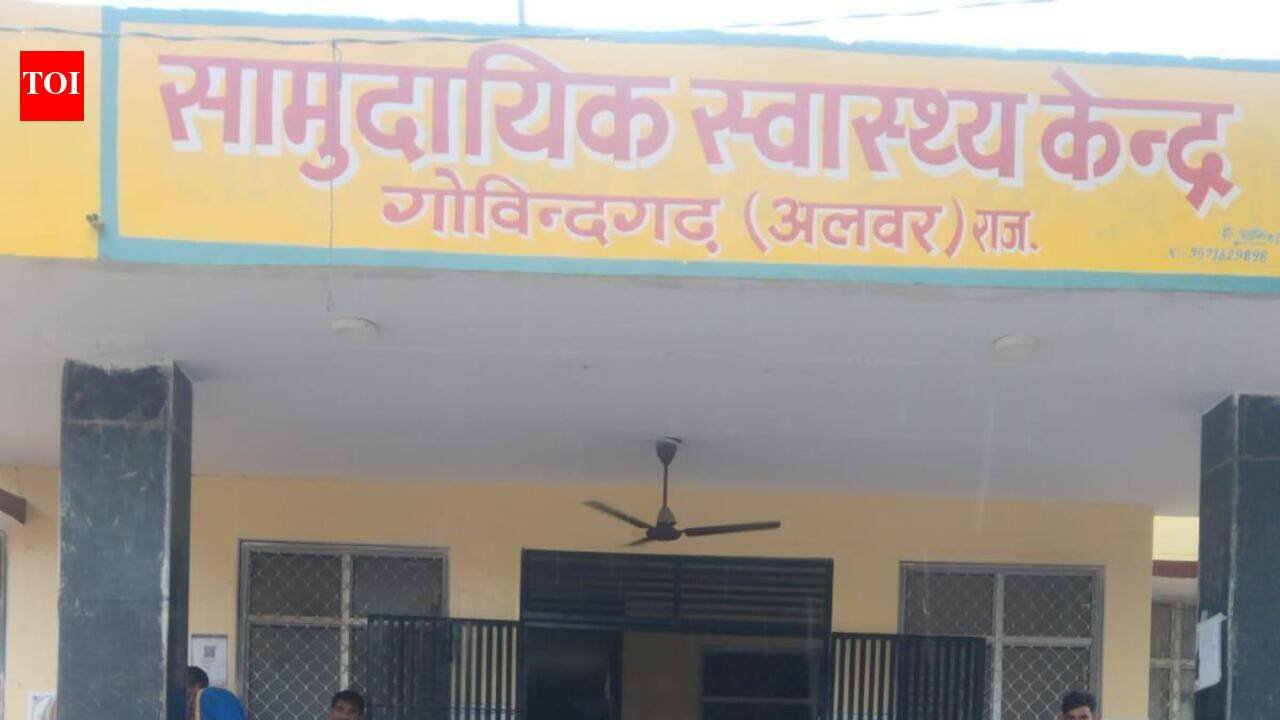
JAIPUR: Following the death of a 26-year-old pregnant woman from Kaimasa village that exposed critical gaps in the state’s emergency maternal care, Rajasthan govt has ordered an upgrade of Govindgarh community health centre (CHC) and sanctioned 15 additional posts to enhance services for pregnant women and newborns.Alwar Chief Medical and Health Officer Dr Yogendra Kumar Sharma confirmed he received the orders Wednesday. “The govt will recruit staff, and a new building will be constructed,” Dr Sharma said.The situation gained attention after a TOI report on Aug 3 revealed the woman’s struggle to find care across four hospitals before her death. Govindgarh CHC, which handles about 200 deliveries monthly—six to 10 per day—lacks a qualified MD gynaecologist. Instead, complicated cases are managed by medicine specialists or paediatricians, leading to late referrals for high-risk pregnancies.Additionally, CHC’s sick newborn care unit (SNCU) has been non-functional due to the lack of an automatic generator for continuous power. While there is a generator, it must be started manually, posing risks to critically ill infants. Although SNCU was built two years ago, it remains understaffed and lacks reliable power.The woman’s death on July 29 sparked scrutiny of the facility’s readiness. She was initially taken to Govindgarh CHC but was not treated due to inadequate facilities and was later transferred between two private hospitals and a govt women’s hospital before succumbing to complications at NIMS Hospital in Jaipur.State govt has now approved a 50-bed Mother and Child Care Centre at Govindgarh CHC as part of the 2026-27 budget, which will expand care capabilities. Proposed enhancements include integrating the current 30-bed unit and adding 20 more beds, along with establishing a blood centre.The new posts will include one junior specialist in gynaecology, three medical officers, one nurse grade-I, four nurses grade-II, one pharmacist, four ward boys, and one other staff member. Funding will be sourced from the state budget, aimed at improving emergency obstetric care and minimising critical case referrals to distant facilities.


