






The Roman Catholic Relief Act, for example, says that a Catholic advising a sovereign on a Church appointment would be “deemed guilty of a high misdemeanour, and disabled for ever from holding any office, civil or military, under the Crown”.
The law relating to Jews contains a similar threat. These laws and restrictions remain in effect.
That is partly because, until now, they have had no practical effect – before Burnham, there has not been a Catholic or Jewish prime minister.
Although Benjamin Disraeli – prime minister in the late-1800s – was born to a Jewish family, his father renounced Judaism and had his children baptised into the Church of England.
Another former Prime Minister, Tony Blair, is a Roman Catholic, but his conversion formally took place six months after he stepped down.
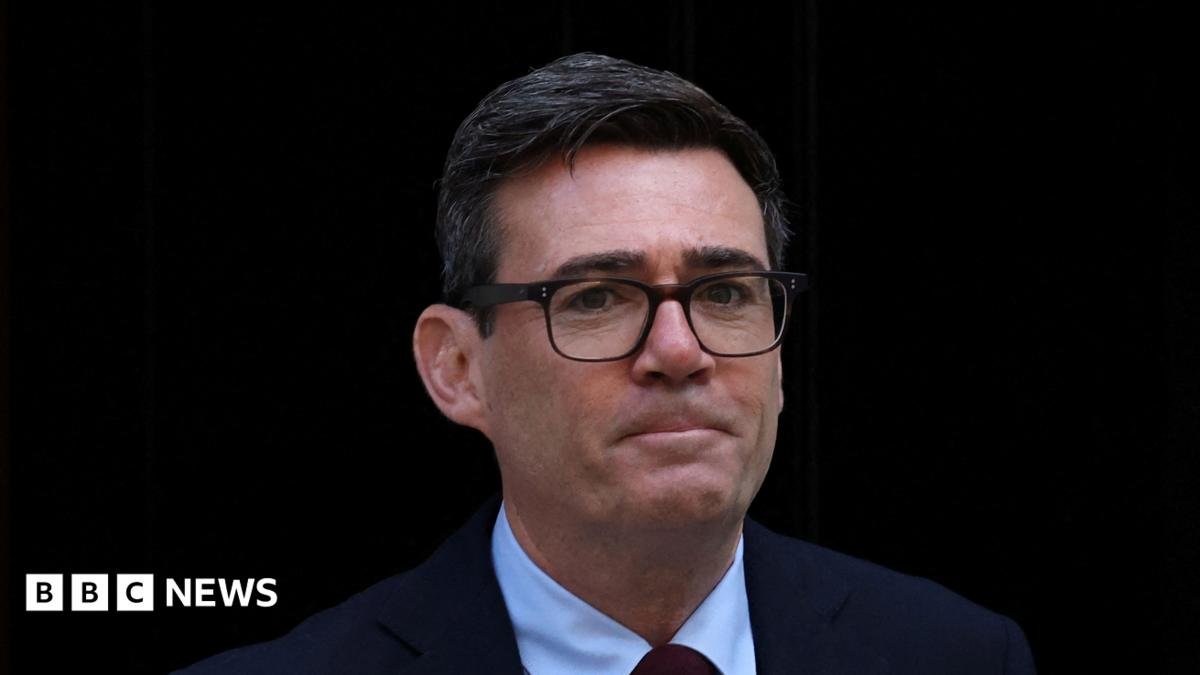
And because the existing laws only discriminate against Jews and Catholics, it meant that Rishi Sunak, a Hindu, and Sir Keir Starmer, an atheist, were not prevented from advising on Church of England appointments in the way that Andy Burnham has been.
In practical terms, for nearly 20 years the prime minister has not had much of a role in the selection of Church of England bishops.
In 2007, Gordon Brown decided the Church should only present a single candidate to the prime minister, who would then pass it on to the monarch to confirm.
Some prime ministers have taken a more interventionist approach. Margaret Thatcher, for example, famously pushed back against candidates who did not align with her political or religious views.
Although the archaic laws preventing Jews and Roman Catholics advising on Church appointments technically relates to the Church of Scotland too, in reality the appointment of elders and ministers within the Church of Scotland no longer has any outside involvement.
But the bill introduced on Tuesday intends to remove discriminatory laws that mean one aspect of the role of prime minister can now be performed by people of any religious belief that hold the office.
It must be approved by the House of Commons and House of Lords before any change would come into practice.


