


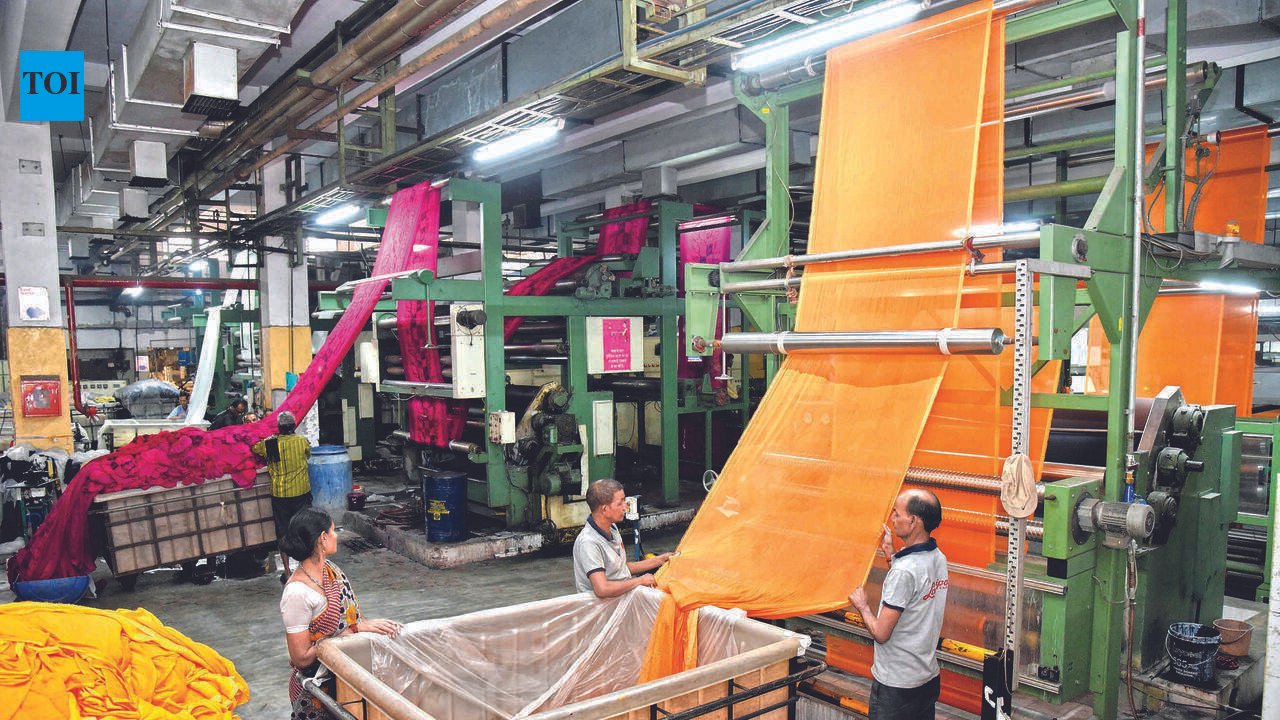
Ahmedabad: Textile processing units in Gujarat are facing mounting cost pressures following a sharp rise in GMDC coal and lignite prices during the first half of 2026, prompting Narol Textile Infrastructure & Enviro Management (NTIEM) to seek immediate relief and a stable pricing framework from the state-run miner.According to NTIEM, six successive price revisions between Jan and July increased coal and lignite prices by around 60%, with no downward revision during the period. The association said the continued escalation has placed an unsustainable burden on textile processors, which are among Gujarat’s major industrial consumers of coal and lignite.Processing units use coal and lignite to operate boilers and thermic fluid heaters, making fuel a critical component of their daily operations. NTIEM said fuel accounts for nearly 25% of processing costs, and repeated price increases have pushed up overall production expenses, eroding the competitiveness of units in domestic as well as export markets. The impact was particularly severe on micro, small and medium enterprises (MSMEs), which typically operate on narrow margins.The association said the industry was already dealing with weak global demand, higher input costs, stricter compliance requirements and competition from neighbouring states. The increase in GMDC fuel prices, it warned, was further widening the cost differential and influencing production decisions, export competitiveness, investment plans and future expansion.“Processing units cannot absorb such repeated shocks when fuel itself forms nearly a quarter of our cost,” an NTIEM official said in the letter.NTIEM has urged GMDC and the state govt to rationalise fuel prices and introduce a transparent, scientific and predictable pricing mechanism linked to objective market parameters. It also sought an end to frequent monthly revisions, saying such changes create uncertainty in industrial planning. The association has requested stable, long-term pricing for essential industries such as textile processing, along with assurances on fuel quality.“Coal and lignite are the backbone of textile processing, and abnormal increases translate directly into higher production costs, reduced profitability and loss of competitiveness, ultimately risking jobs across the value chain,” the NTIEM official said.Palash Shah, an exporter, said, “Cotton prices have risen significantly in recent months, while higher fuel costs were adding further pressure to overall production costs. This has affected our competitiveness badly.”
