



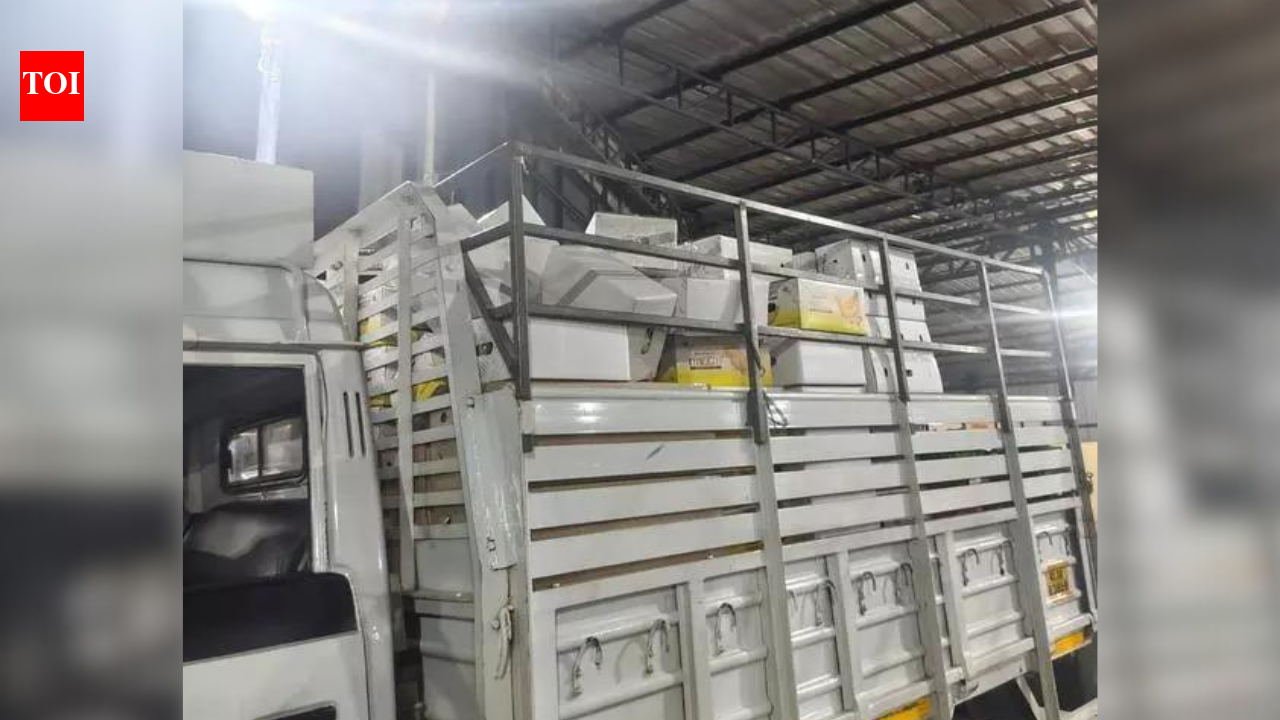
KOZHIKODE: Vegetable exports from Kerala to the Gulf, which has been adding a touch of home to the tables of lakhs of expatriates, came to an abrupt halt following mass flight cancellations triggered by the ongoing Middle East crisis.Flights carrying passengers to Gulf destinations routinely transport consignments of fresh produce — from curry leaves and bananas to plantain leaves and pineapples — catering to nearly 2.3 million Keralite households across the region.Nearly 70 exporters operating through Calicut International Airport have been hit hard. Together, they export close to 90 tonnes of native vegetables to various Gulf destinations every day during the ongoing peak season. The sudden disruption has left the sector reeling and dealt a severe blow to farmers who depend heavily on the export market.Marvel Exports managing director Abdurahman M, who is also the general secretary of Calicut Exporters Association, said the crisis has come at the worst possible time, with Ramadan marking the peak season for fruit and vegetable exports.“There were substantial orders for fruits such as banana and pineapple in view of Ramadan. But exports from Karipur airport have almost come to a standstill,” he said.Abdurahman said the airport handles an average of 75 tonnes of vegetable exports daily, a figure that rises to over 90 tonnes during Ramadan and other festive seasons.“On Saturday, when flights were cancelled, we had to offload nearly 30 tonnes of cargo. Much of it perished,” he added.Over the years, the export industry centred around Karipur airport has grown into a business worth over Rs 300 crore annually, primarily serving the expatriate population in the Gulf.“If the situation continues, Keralite families in the Gulf will begin to see their favourite local vegetables disappear from market shelves,” Abdurahman said.Though a few flights to Oman are operating, exporters say shipments are not viable as airline companies are charging nearly double the usual cargo rates.The sector directly employs around 1,000 people and supports more than 5,000 others in related activities such as packaging, material supply, transportation and procurement.Farmers in the region who cultivate produce specifically for the export market also face mounting losses if the crisis drags on.


