





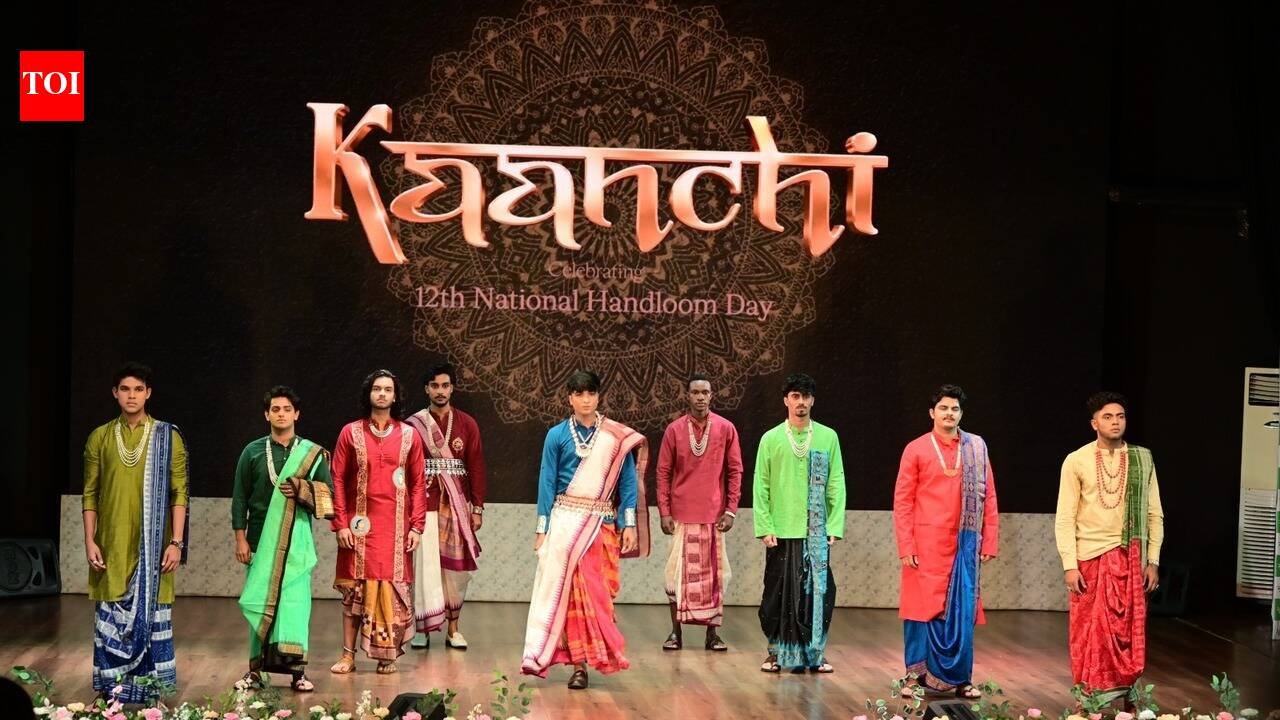
Fakir Mohan University, Balasore, has proposed setting up a Quantum Technology Hub to promote interdisciplinary research in quantum science and technology and align the institution with National Quantum Mission.Vice-chancellor Santosh Kumar Tripathy proposed the hub following discussions with Odisha governor and chancellor Hari Babu Kambhampati. The university is also exploring collaborations with experts, including Prasanta Kumar Panigrahi of Siksha ‘O’ Anusandhan University, and seeking support under National Quantum Mission.Tripathy said the proposed hub would help create a world-class interdisciplinary research ecosystem integrating physics, biology, artificial intelligence and computer science, enabling Odisha to contribute to India’s quantum technology ambitions. The proposal follows a recent faculty development programme on fundamentals of quantum science and technology organised by the university’s physics department and HRDC.Santosh Kumar Agarwalla, chairman, PG Council, stressed academia-industry collaboration under the Make in India initiative to accelerate indigenous quantum technology development.National Handloom DayKIIT-DU on Friday observed 12th National Handloom Day with KAANCHI 2026, aimed at promoting traditional handloom and encouraging wider use of indigenous weaves.Minister of state (independent charge) for cooperation and handlooms, textiles & handicrafts Pradeep Bal Samanta, the chief guest, said the day seeks to promote the handloom sector, encourage eco-friendly clothing and motivate younger generations to adopt handloom in their daily lives. Calling weavers the soul of the sector, he said the state govt remained committed to their welfare.KIIT founder Achyuta Samanta said Odisha holds a special place in India’s textile heritage. He said around 15,000 handloom sarees are distributed annually to KIIT visitors to support weavers and create markets.Mgmt event at IIT BBSIIT Bhubaneswar, in association with the Odisha CSR Forum, organised a two-day management development programme on Human Capital to Social Capital: Building Inclusive, Sustainable and Purpose-Driven Organisations on Aug 7 and 8.Former NLC India chairman-cum-managing director Sarat Kumar Acharya was the chief guest at the inaugural session, chaired by IIT Bhubaneswar director Shreepad Karmalkar. Odisha CSR Forum convener BK Mishra stressed the need for stronger academia-industry-policy collaboration.Acharya said India’s demographic dividend could be harnessed through skill development, value-based education and responsible citizenship, and called for CSR to focus on sustainable livelihoods and employability rather than charity.Karmalkar highlighted the institute’s collaborative learning, feedback-driven governance, 100-Cube startup initiative and Unnat Bharat Abhiyan.Grassroots journalism irreplaceable: ExpertsGrassroots reporting, human sensitivity and ethical journalism remain crucial to sustaining democracy and public trust despite the growing influence of AI and social media, experts said at a seminar at the Central University of Odisha (CUO), Sunabeda.The three-day national seminar-cum-workshop on ‘Journalism at the Grassroots: Trends and Challenges in Media Reporting in the Age of AI and Social Media’ was held from Aug 3 to 5.Former CUO vice-chancellor N C Panda stressed accuracy and credibility, while Central Tribal University of Andhra Pradesh VC T Srinivasan said AI could assist newsrooms but not replace human judgement. Former VC Baldeo Bhai Sharma highlighted algorithmic influence on journalism.On Odia Journalism Day, journalists shared field experiences, while JMC students visited Ramnaguda village for hands-on grassroots reporting.


