






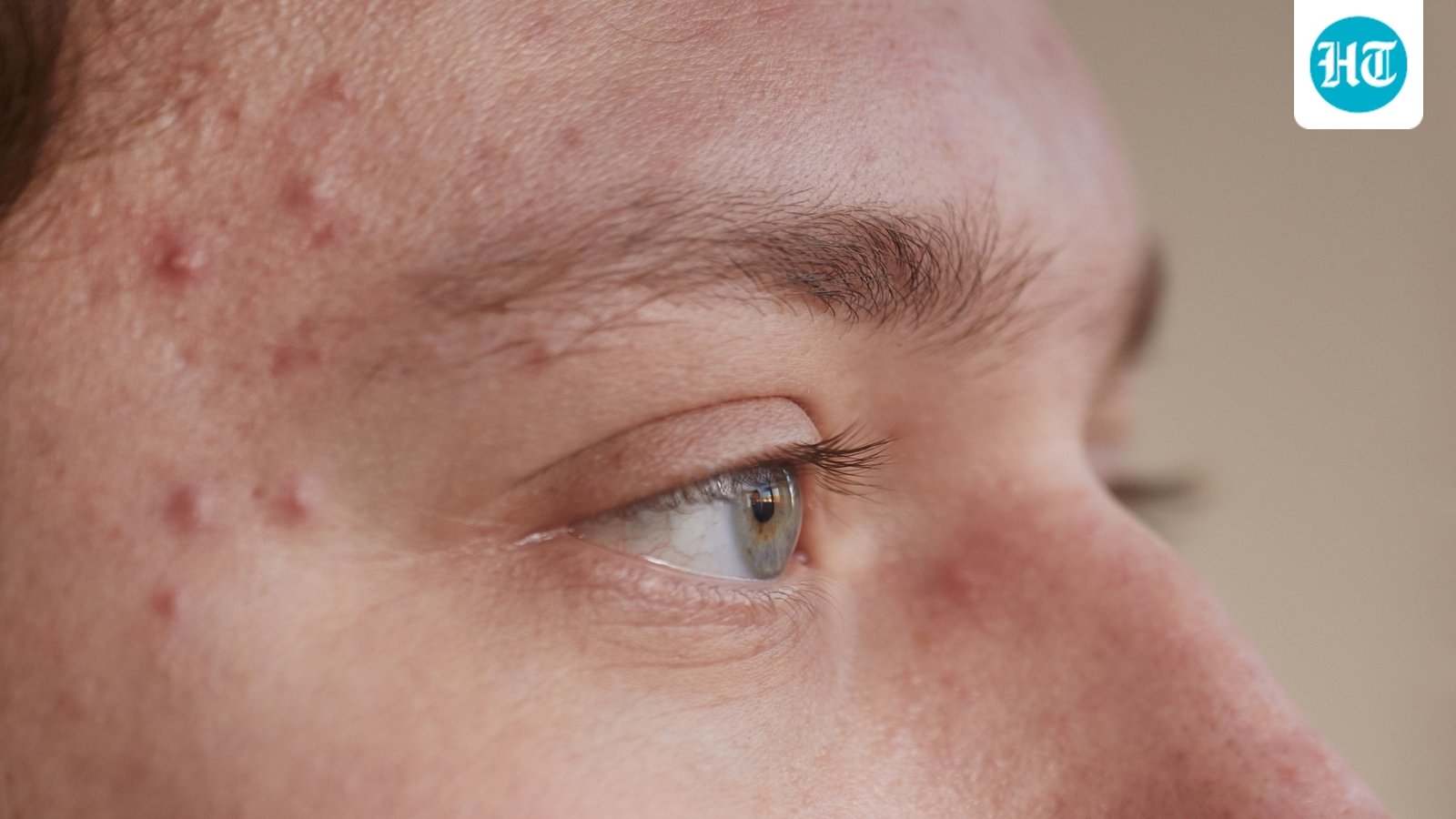
Have you ever experienced an acne breakout right ahead of an important event? It could be anything, from a wedding in the family to, perhaps, a stage performance. This experience is more common than you may think, and the reason for this is the underlying stress surrounding the said event.
Also Read | Gardening may improve your health and lifespan: Dr Mark Hyman shares 6 research-backed ways how that works
Taking to Instagram on August 7, Dr Kunal Sood, a Maryland-based physician in Anesthesiology and Interventional Pain Medicine, shared three ways in which stress affects the skin.
“Have you ever noticed your skin may get worse during a period of increased stress? Stress doesn’t just affect your mood; it can also affect your skin as well,” he stated. His explanation of how that works is presented as follows.
1. Stress drives inflammation
Stress is a known driver of inflammation, which causes multiple skin conditions. In the words of Dr Sood, “When you’re under chronic stress, your body will release hormones and inflammatory signals that can make certain skin conditions flare.”
For some people, the dysregulated hormones and inflammation mean acne. Other people may notice eczema, psoriasis, rosacea, or even hives becoming more active, cautioned the physician.
2. Stress can weaken the skin barrier
Chronic stress can result in the weakening of the skin barrier. This makes the skin tissue irritated as well as lose moisture, giving rise to a host of related skin conditions.
3. Stress disrupts sleep and slows skin healing
Sleep is the time of tissue repair, and that includes the tissues of the skin. Chronic stress is a known disruptor of sleep, and as such, also disrupts the healing process.
As Dr Sood stated, “(Stress) can also disrupt your sleep, which gives your skin less time to repair itself overnight.”
“While stress isn’t the only cause of these conditions, it can be an important trigger for many people. That’s one reason managing stress is an important part of keeping both your body and your skin healthy,” he noted.
Note to readers: This article is for informational purposes only and not a substitute for professional medical advice. Always seek the advice of your doctor with any questions about a medical condition.
This report is based on user-generated content from social media. HT.com has not independently verified the claims and does not endorse them.
Dr Kunal Sood, MD, is a double board-certified physician in Anesthesiology and Interventional Pain Medicine. He did his residency and fellowship in anesthesiology at Wayne State University in Detroit, Michigan, followed by a one-year fellowship in interventional pain medicine. He later became the Medical Director of the office in Germantown, Maryland.


