




Shweta Pandey
Let’s face it, we all love nicely manicured nails. Those nail extensions or pretty gel shades on our nails add an instant oomph factor. In fact, gel nails have become increasingly popular in the nail industry. They last longer and give a glossy finish compared to traditional nail polish techniques.
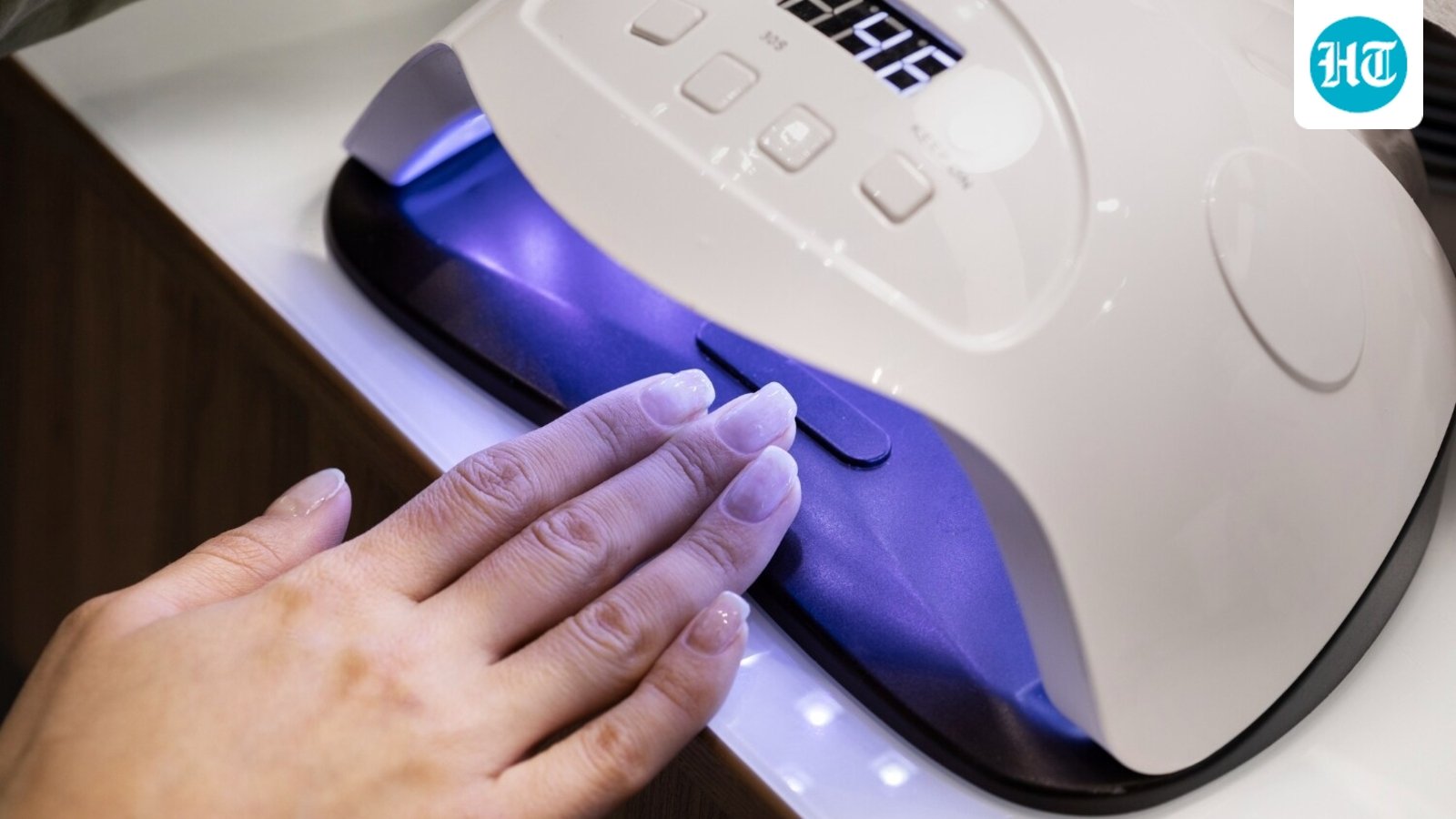
Gel manicures include many steps as traditional manicures; the nails are trimmed, filed, and shaped, and then the nails are cured under the UVB lamps to cure and harden the gel nails so that they last longer. It is all because of this curing technique that gel manicures last between 10 days and 3 weeks.
However, have you ever wondered if those UVB lamps or nail lamps for most of us are even safe for our skin?
Dermatologist Dr Ritika Shanmugam, Founder and Director, Skin Hair Aesthetics, tells HT Shop Now, “There are two types of UV radiation: UVB rays and UVA radiation. Both these rays affect the outer layer of the skin and cause sunburn and DNA damage. These UV rays penetrate deeper into the skin and can cause oxidative stress, leading to premature ageing and the development of skin cancer”.
She further says that most of the nail salons use these UVB lamps to set the gel manicures to give a high gloss finish. However, she cautions that even when used only for a few minutes, these can cause long-lasting damage to the skin.
“The nail lamps that use fluorescent bulbs or light-emitting diodes; both emit UV light. The FDA notes there is no risk when these lamps are kept at a distance of 10 inches from human skin. But in nail salons, the proximity to the nail lamps can pose a risk to skin health”.
According to Dr Shanmugam, “The cumulative UV exposure, which happens over a period of years, can cause damage to the DNA and cause genetic mutations, leading to skin cancer. Therefore, using UV-B lamps frequently in nail salons can be a threat and a risk of developing skin cancer”.
Who are at more risk?
Dr Shanmugam points out that not all individuals have the same risk of developing skin cancer. “Those who have risk factors have to be extra cautious of exposure to UV lamps”. Here are a few sets of people who have to be more cautious of using nail lamps more frequently.
Dr Shanmugam says, “People with a family history of cancer pose a higher risk. People with photosensitivity disorders and on photosensitive medicines can have a higher risk of getting affected”.
She also mentions that immunosuppressed people can also have a higher risk of developing skin cancer. The best recommendation is to avoid using the UV lamps or use them as infrequently as possible.
Preventive measures to take before using UV lamps
However, she also cautions and advises people to follow certain preventive measures to reduce exposure or protect the skin.
Use SPF
According to Dr Shanmugam, it is important to wear a broad-spectrum, water-resistant sunscreen for the hands that has a minimum SPF of 50 20 mins before exposing your nails to the UV-B lamps.
UV-protective gloves
She advises wearing special UV-protective gloves before placing your hands under the UV-B lamps, which act as a barrier to the UV rays.
Naturally dry nails
It is better to dry the nails naturally by using a fan or air-dry the nails instead of exposing them to UV-B lamps to dry them.
Opt for LED lamps
She advises choosing LED lamps compared to UV lamps, as they emit fewer UV -A rays, thereby reducing the UV-A exposure. Turning off the lamp after each use will reduce the UV rays emitted from the devices during temperature elevations.
Lastly, she says that the skin’s response to the UV lamps depends on the dose delivered, frequency of exposure, duration of exposure, and anatomical site involved.


