



“Everybody has a Century 21 story,” according to Eddie Gindi, co-owner of the iconic off-price department store. Nestled in the heart of FiDi, Century 21 is a 65-year-old New York City institution, long beloved by bargain shoppers and stars alike. (“Sex and the City” fans may remember Carrie Bradshaw visiting the store after jury duty.)
Years before the World Trade Center was constructed, Century 21 opened its doors in 1961 on 22 Cortlandt St.; its neighbors were rapid repair shops, not the buzzy restaurants that line the neighborhood today. It’s managed to survive major setbacks, from 9/11 to Covid-19. Now, amid increasing competition in the luxuryresale and off-price market, is Century 21 still the premier designer discount destination it once was?
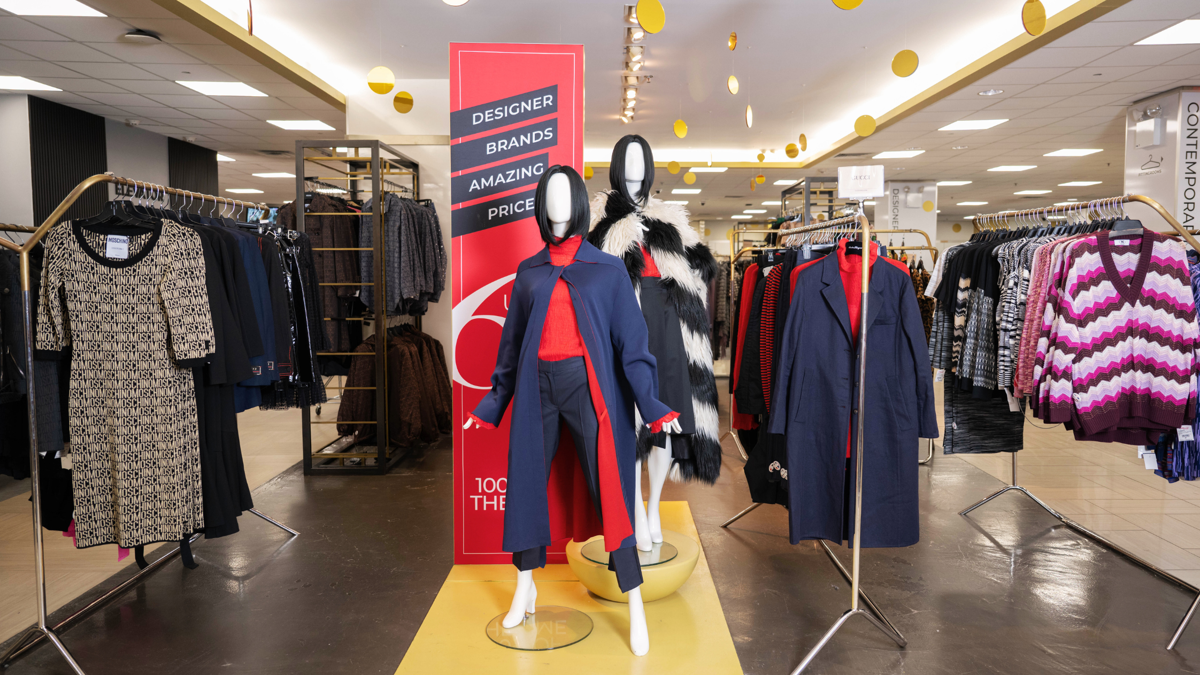
In its early days, Century 21 — co-founded by Eddie’s father and uncle, Sonny and Al Gindi — was an OG entrant into the discount designer space, offering visitors an opportunity to snag top labels at a fraction of Fifth Avenue’s costs. This same budget-conscious vision persists into Century 21’s current era, but the retailer isn’t resting on its iconic name to bring in shoppers. Its brand assortment (curated by a team of buyers) is constantly updating to reflect modern shoppers’ evolving preferences.
Photo: Courtesy of Century 21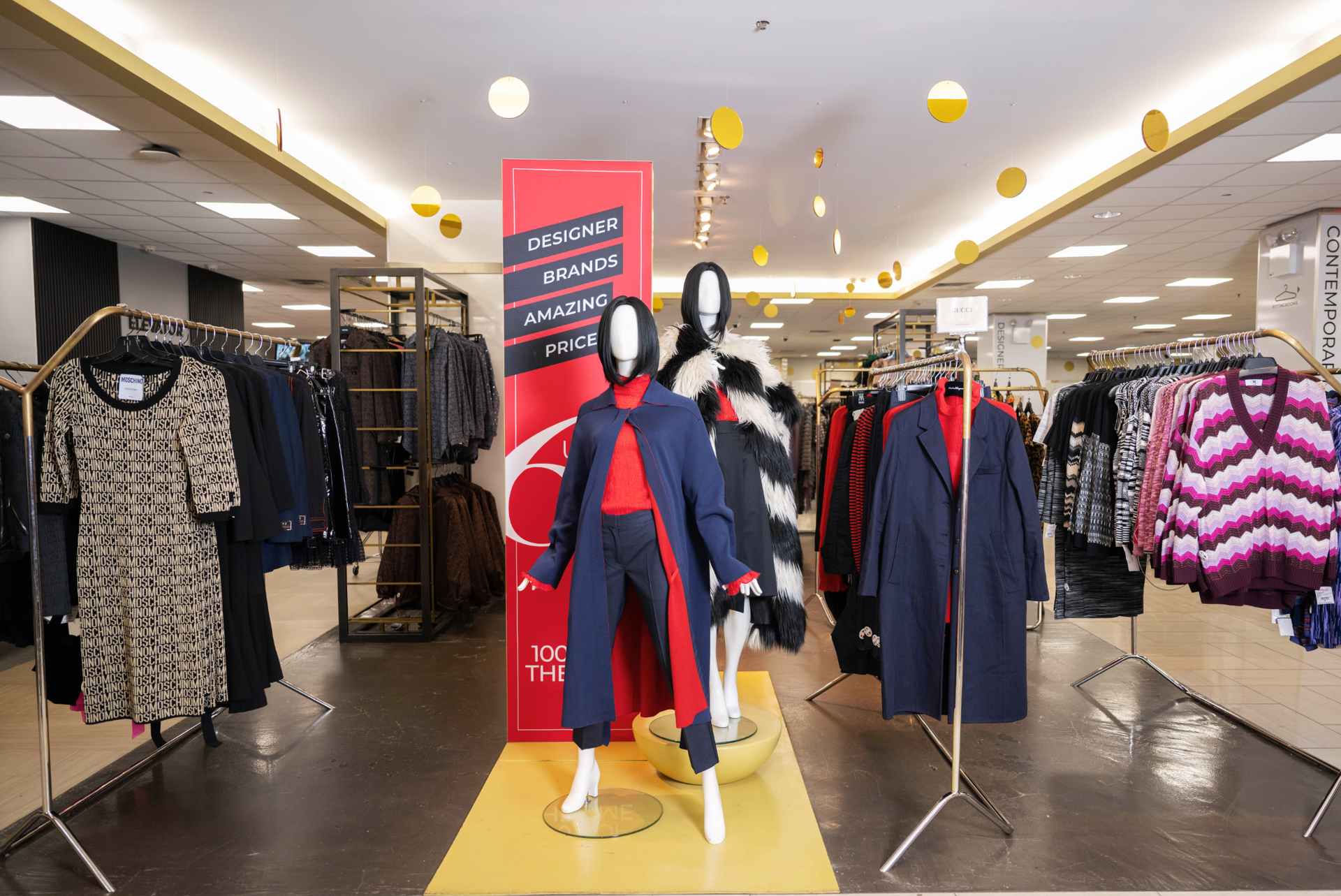

“We do a lot of competitive shopping,” Gindi says. “We have to know what our competition is doing. We have to know how much they’re selling it for. We have to know what the new brands are that we don’t have.”
Think of any fashion brand — chances are you can find it stocked at Century 21, and up to 65% off. European luxury houses (Gucci, Dior, Givenchy), high-end American classics (Calvin Klein, Tommy Hilfiger, Tom Ford), contemporary brands (Ganni, Off-White, Reformation) and emerging designers (Diotima, TWP, 6397) rub elbows across Century 21’s multi-floor assortment. Sourcing wasn’t easy while Century 21 was still establishing itself in the off-price space, Gindi recalls, but now he says, “our reputation precedes us.”
“The more that we broke big names, everyone else wanted to come down here,” he explains “You know FOMO? Everybody had FOMO. They wanted to be in Century 21.”
Photo: Courtesy of Century 21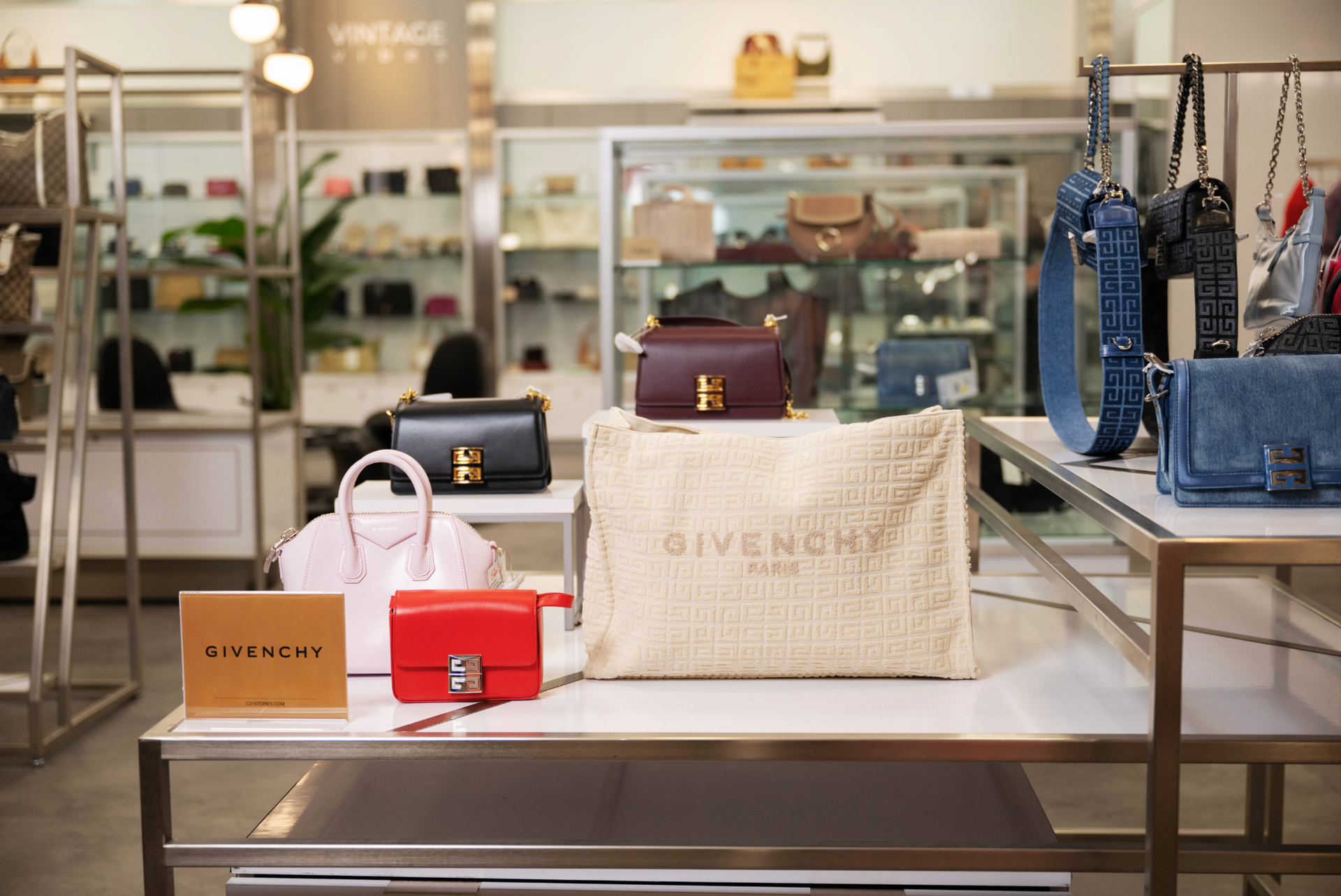
In its heyday, Century 21 scaled to 13 locations and established an e-commerce presence. However, the Covid-19 pandemic delivered a foundation-rocking blow to the business, as it did to many brick-and-mortar retailers. Century 21 shuttered all stores including its downtown Manhattan flagship, and its e-commerce business in 2020. Three years later, it reopened its famous 22 Cortlandt St. location with a renewed drive to recapture the IRL discount consumer.
“We’re in year three now of reopening, and we found out that there’s a whole new customer out there,” Gindi says. “We had to learn what that customer wants. We had to know what brands they like. We had to know what prices they wanted to pay. It’s totally different, and so we had to make some adjustments.”
In addition to athleisure, Gindi says younger consumers have an appetite for the “hot new brands that they see on the runways.” Some of Century 21’s new designer additions include Frame, John Varvatos and Derek Lam 10 Crosby, among others. And even though e-commerce may feel more like Gen Z‘s playing field, Century 21 hasn’t relaunched it — preferring instead to focus on brick-and-mortar, which was always its bread-and-butter.
“People still want to shop in brick-and-mortar stores,” Gindi argues. “Online is phenomenal, but we’re making our business right now [by] coming to the store [and] experiencing what we have here to offer.”
Above, watch our interview with Gindi on Century 21’s history, its approach to off-price designer retail and its post-pandemic turnaround.


