



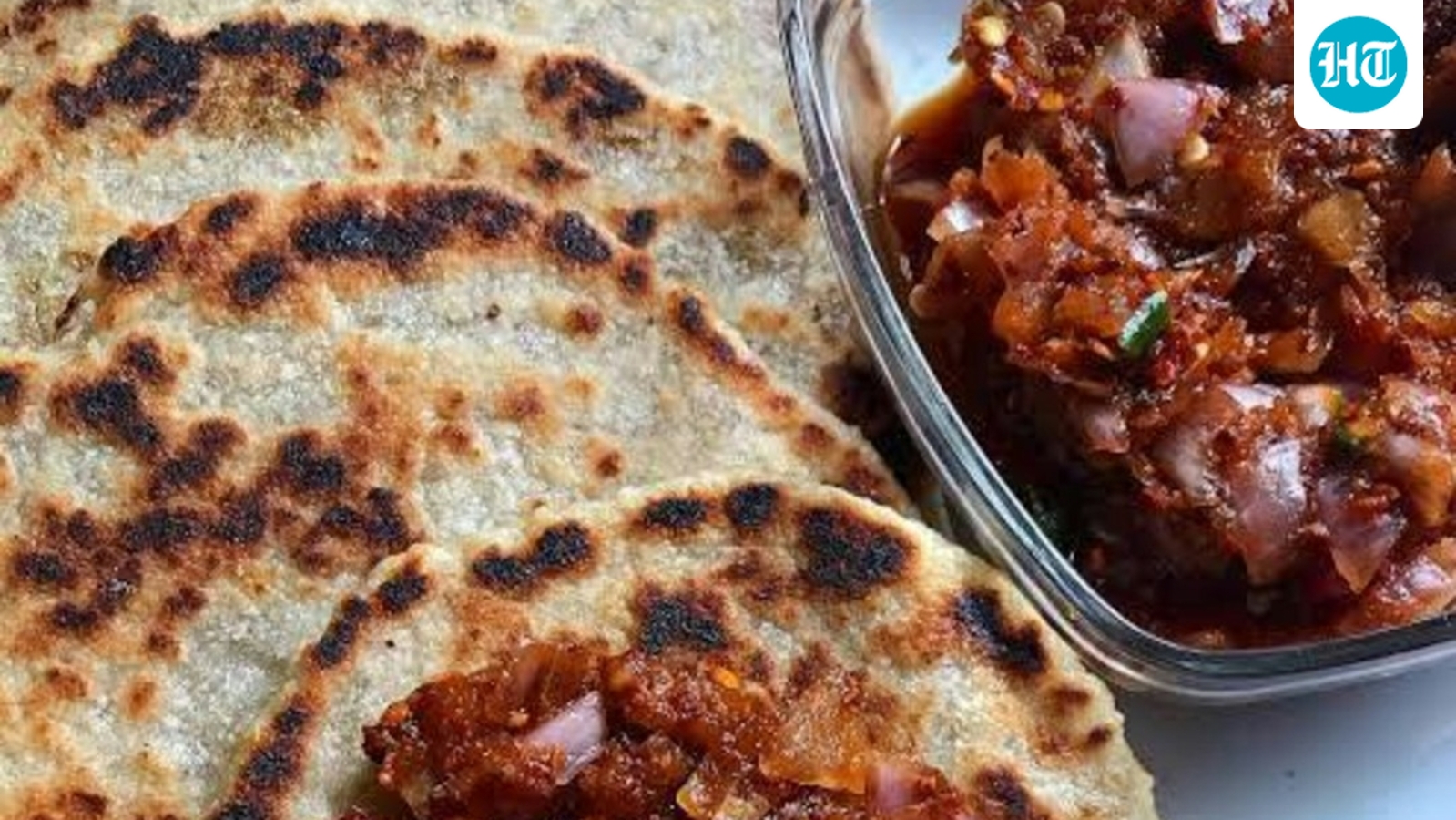
If your daily dinner routine revolves around just wheat rotis, it might be time to shake up your roti game. In a September 8 Instagram post, Ahmedabad-based nutritionist Kiran Kukreja shared a complete breakdown of non-wheat flours, detailing which grains benefit most and which to skip. Also read | Is your daily roti healthy? Gastroenterologist explains how wheat roti spikes blood sugar; offers alternatives
“If roti is a daily part of your meals, don’t just stick to the same atta every day,” she shared, adding, “Try adding jowar, ragi, bajra, jau and amaranth (rajgira) to your rotation. These grains can add more fibre, protein, iron, calcium, magnesium and other micronutrients to your diet, while also keeping your meals more diverse and filling.”
Kiran also added that wheat does not need to be banished: “And no, you don’t need to completely stop eating wheat roti. The key is variety — rotate your grains and choose what suits your body best.”
To help you decide which roti belongs on your plate, here is how each grain stacks up based on Kiran’s recommendations:
Barley roti (jau)
A ‘healthy addition to your diet’, Kiran shared barley offers a low glycemic index and is highlighted as ‘good for diabetes and weight loss.’ According to her, avoid barley roti if you have ‘celiac disease (contains gluten)’.
Jowar roti (sorghum)
Another ‘healthy addition to your daily diet’, jowar is ‘gluten-free, great for diabetes, increases satiety, and boosts metabolism’, Kiran highlighted. However, she added that you should avoid jowar roti if you experience ‘severe irritable bowel syndrome (IBS)’ or ‘sensitive digestion’, or if you tend to ‘feel heavy’ after eating it.
Bajra roti (pearl millet)
She also recommended adding bajra to your daily diet, saying it is ‘great in winters’ and ‘rich in magnesium, iron and fibre’. It also ‘helps anaemia, cholesterol and constipation’. According to Kiran, avoid bajra roti ‘if you have thyroid issues (contains goitrogens)’ or when living ‘in very hot climates’.
Ragi roti (finger millet)
Described as another ‘healthy addition to your daily diet’, Kiran shared that ragi is ‘high in calcium, iron and fibre, supports bone health, is great for diabetes management, and helps in weight loss’. Although, if you have ‘kidney issues (high phosphorus)’ or ‘very weak digestion’, you should avoid ragi roti, per Kiran.
Makki roti (maize)
Calling it a grain worth adding to your daily diet, Kiran shared that corn flour or makki is ‘rich in vitamin A, fibre and magnesium’. It keeps the body warm and supports eye health, she added. However, if you have diabetes or have ‘severe gluten sensitivity’, you should avoid it, according to Kiran.
Amaranth roti (rajgira)
Another ‘healthy addition to your daily diet,’ amaranth is ‘high in protein, iron and calcium,’ ‘naturally gluten-free,’ and ‘great for fasting and detox days’, Kiran said, adding, avoid it if you have ‘rare allergy cases’.
According to Kiran, by rotating these grains throughout the week, you can easily optimise nutrient intake without abandoning traditional meals altogether.
Note to readers: This report is based on user-generated content from social media. HT.com has not independently verified the claims and does not endorse them.
This article is for informational purposes only and not a substitute for professional medical advice.
