



If you have ever looked down at your shower drain and felt a sudden wave of panic, you are in surprisingly good company – even Hollywood royalty isn’t immune to the unsettling phenomenon of stress-induced shedding. Also read | Blaming stress for hair loss? Dermat says it can be…
Sandra Bullock opens up about her hair loss
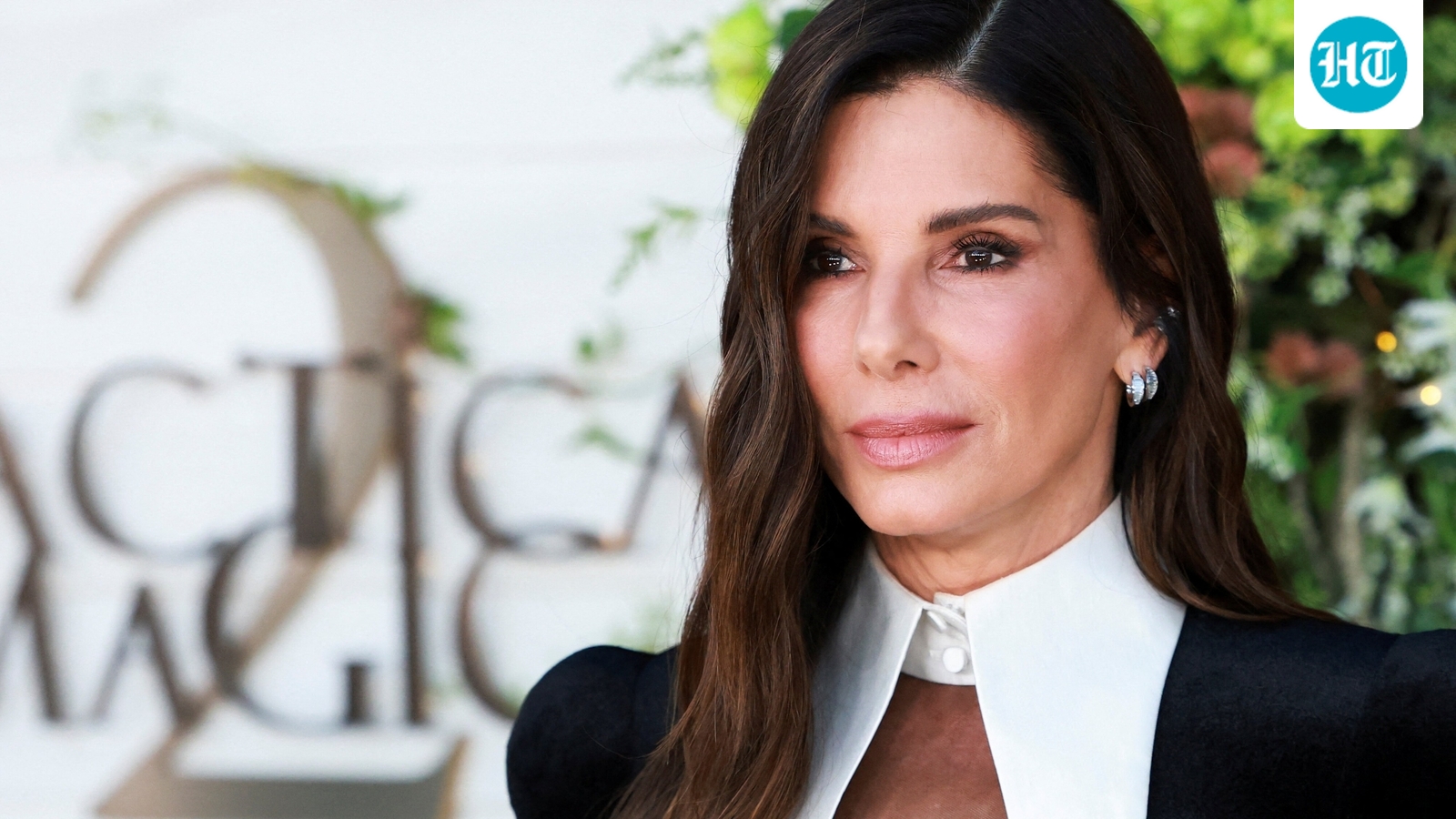
Actor Sandra Bullock, 62, known for her signature thick, cascading locks, opened up on September 8 about her own battle with hair loss. Promoting her new film, Practical Magic 2, in a candid conversation with longtime friend and actor Jennifer Aniston for Interview magazine, Sandra admitted that her famous mane hasn’t always been bulletproof.
“I’ve had two bouts of stress-induced hair loss, so I’m very lucky it came back,” she shared, adding, “That’s also thanks to my German grandmother. Full head of thick, crazy hair. I got those genes… my whole life is about my hair because it’s out of control.”
What is telogen effluvium?
While Sandra credited strong genetics for her recovery, medical experts note that shedding triggered by acute emotional or physical pressure — a condition known clinically as telogen effluvium — is far more common than most people realise.
When the body experiences a sudden spike in stress or cortisol levels, it can prematurely force a large percentage of hair follicles into a resting phase and subsequent shedding, as per Clevelandclinic.org. For everyday sufferers without a team of celebrity hairstylists, recovering from a bout of telogen effluvium requires a blend of patient scalp care, internal nourishment, and lifestyle modification.
Dr Kalyani Deshmukh, a dermatologist with Traya Health, shared in an August 2025 interview with HT Lifestyle that managing hair health requires looking beyond topical products to foundational habits.
How to recover and what to eat for regrowth
To safeguard hair follicles and encourage optimal regrowth, Dr Deshmukh highlighted key internal and external interventions:
⦿ Prioritise protein: hair fibres are primarily constructed from keratin. Incorporating high-quality protein sources like eggs, lentils, nuts, and soy provides the structural building blocks necessary for new growth, she highlighted.
⦿ Target key micronutrients: “Low iron and vitamin D levels are among the most common hidden causes of hair loss,” noted Dr Deshmukh. Leafy greens, beetroot, dates, and targeted supplementation (after blood testing) can correct underlying deficiencies.
⦿ Calm systemic inflammation: essential fatty acids found in flaxseeds, walnuts, and fatty fish nourish the hair follicle environment and suppress tissue-damaging inflammation, she added.
⦿ Protect gut and hormonal health: proper hydration, probiotics (such as curd or kefir), and seven to eight hours of uninterrupted sleep help stabilise daily cortisol spikes that otherwise exacerbate shedding, per the doctor.
⦿ Minimise physical stressors: avoid frequent high-heat styling, harsh chemical treatments, and hot water washes, she added. Lightweight scalp massages using oils like rosemary can gently boost microcirculation.
⦿ Active stress reduction: “Chronic stress can trigger telogen effluvium,” Dr Deshmukh warned. Integrating daily device-free downtime, regular exercise, or yoga helps keep stress hormones in check.
Sandra Bullock’s openness serves as a reminder: hair loss is not permanent, provided the underlying stressors are addressed. With time, targeted care, and a little genetic luck, the body can find its way back to equilibrium. Also read | AIIMS-trained doctor shares lifestyle factors that lead to increased hair loss in younger people
Note to readers: This article is for informational purposes only and not a substitute for professional medical advice. Always seek the advice of your doctor with any questions about a medical condition.
