



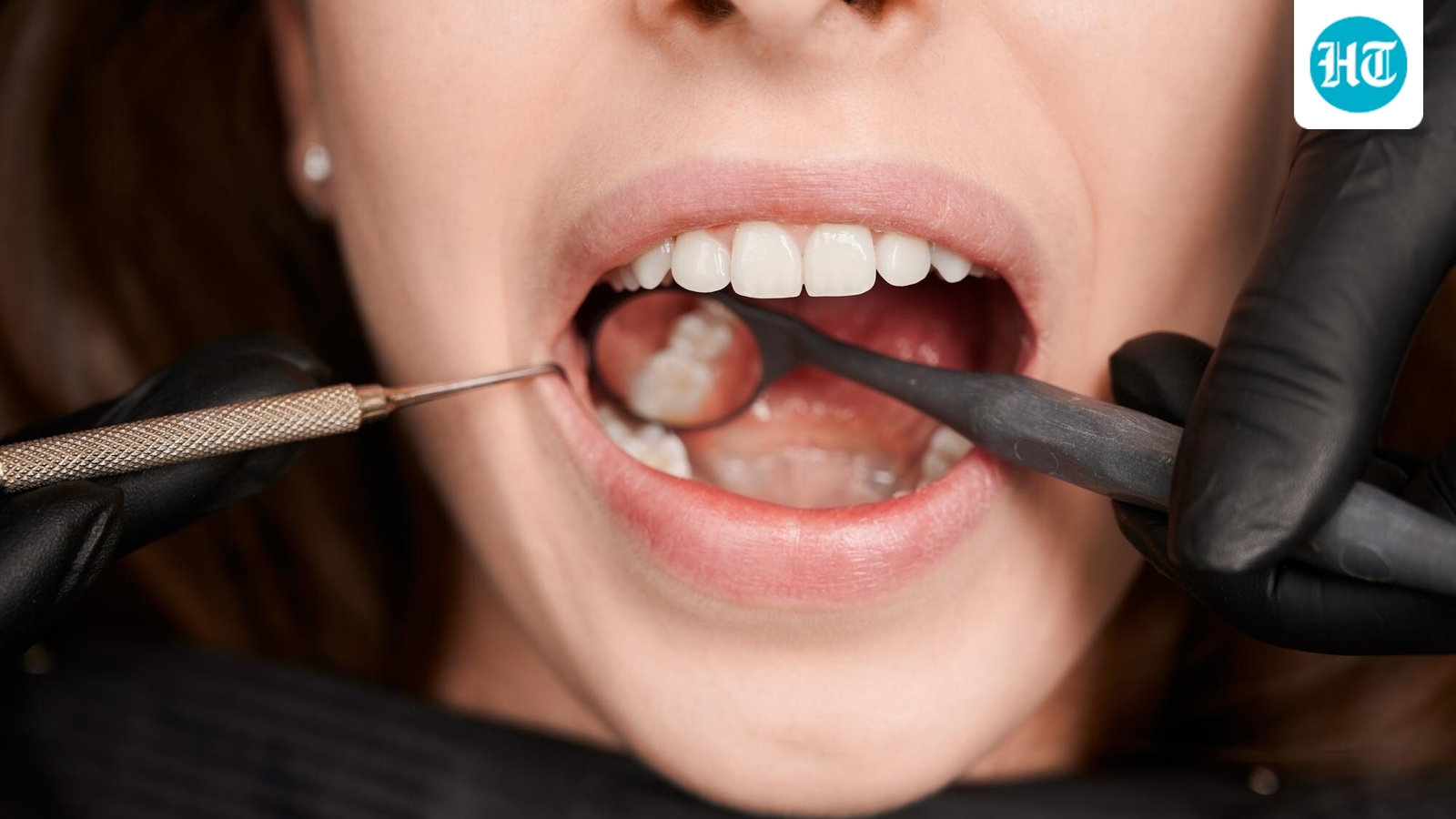
Oral health is undergoing a fundamental transformation. Once centred primarily around treating dental problems, the category is increasingly embracing prevention, enabling individuals to proactively maintain healthier teeth and gums. This evolution reflects a broader shift across healthcare, where scientific research, technological innovation and evidence-based interventions are redefining how long-term health is protected.
Today, oral diseases are affecting billions of people worldwide and influencing overall health and quality of life. Growing scientific evidence continues to strengthen the connection between oral health and systemic conditions such as diabetes, cardiovascular disease and adverse pregnancy outcomes. With growing awareness, preventive oral care is becoming an essential component of overall wellness rather than a standalone hygiene practice.
The science underpinning oral care has advanced considerably over the past decade. Researchers now recognise that oral health is influenced not only by plaque removal but also by maintaining a balanced oral microbiome, the complex ecosystem of beneficial and harmful microorganisms within the mouth. Scientific advances in microbiome research are helping identify ways to preserve this delicate balance while reducing the risk of cavities, gum disease and bad breath. Rather than simply eliminating bacteria, the focus is shifting towards supporting a healthier oral environment that promotes long-term resilience.
Equally significant are advances in enamel science. Although tooth enamel is the hardest substance in the human body, it is constantly exposed to acid attacks from food, beverages and oral bacteria. Modern research has accelerated the development of technologies that strengthen enamel, support remineralisation and help reduce sensitivity before permanent damage occurs. Continuous scientific validation through laboratory studies, clinical research and real-world evidence ensures these innovations deliver measurable benefits while maintaining the highest standards of safety and efficacy.
Innovation in oral care today is not only limited to ingredient discovery, but begins with a deep understanding of consumer behaviour and unmet needs. Researchers increasingly combine clinical science with consumer insights, behavioural research and digital analytics to develop solutions that integrate seamlessly into everyday routines. Understanding how consumers brush, what influences product choice and the barriers to consistent oral care, enables scientists to design products that not only perform effectively but also encourage long-term habit formation.
The research and development process itself is evolving rapidly through digital technologies. Artificial Intelligence (AI), computational modelling and advanced data analytics are enabling researchers to accelerate formulation development, analyse ingredient interactions and predict product performance with greater precision. AI-assisted modelling can significantly reduce development timelines while helping scientists evaluate thousands of formulation possibilities before laboratory validation begins. Combined with rigorous clinical testing, these technologies improve efficiency without compromising scientific integrity.
Another area transforming oral care innovation is materials science. Researchers continue to explore next-generation biomaterials that better mimic the natural properties of teeth, improve enamel protection and enhance ingredient delivery. At the same time, advances in formulation science are making it possible to balance efficacy, safety, sensory experience and stability within increasingly sophisticated oral care products. Every formulation must perform consistently across diverse environmental conditions while meeting stringent global quality and regulatory standards.
Global collaboration has become a defining characteristic of modern innovation. Scientific expertise increasingly flows across research centres worldwide, bringing together multidisciplinary teams spanning chemistry, microbiology, engineering, toxicology, clinical research and consumer science. Combining global scientific capabilities with local consumer understanding enables researchers to develop solutions that address region-specific oral health challenges while benefiting from the latest international advances in oral care science.
Innovation today must also extend beyond product performance. Sustainability is becoming an integral consideration throughout the research lifecycle, from responsible ingredient sourcing and resource-efficient manufacturing to recyclable packaging and waste reduction. Scientists are increasingly challenged to develop formulations that deliver high performance while minimising environmental impact, demonstrating that sustainability and scientific excellence can progress together.
Looking ahead, the future of oral care will become increasingly personalised and predictive. Emerging technologies such as digital diagnostics, connected oral health devices and data-driven preventive care have the potential to help individuals better understand their oral health risks and adopt tailored preventive routines. Continued advances in microbiome science, biomaterials and digital health are expected to unlock more targeted, effective and accessible solutions that improve oral health outcomes across populations.
Ultimately, research and development is not simply about creating new products, it is about improving lives through better science. By combining rigorous research, technological innovation and deep consumer understanding, the oral care industry has an opportunity to move beyond treatment towards truly preventive healthcare. As oral health continues to gain recognition as a vital component of overall well-being, science-led innovation will remain the driving force behind trusted solutions that not only address today’s needs but also anticipate the health aspirations of future generations.
(The views expressed are personal)
This article is authored by Swati Agarwal, executive vice president – R&D, India Global Technology Center, Colgate-Palmolive (India) Limited.
