






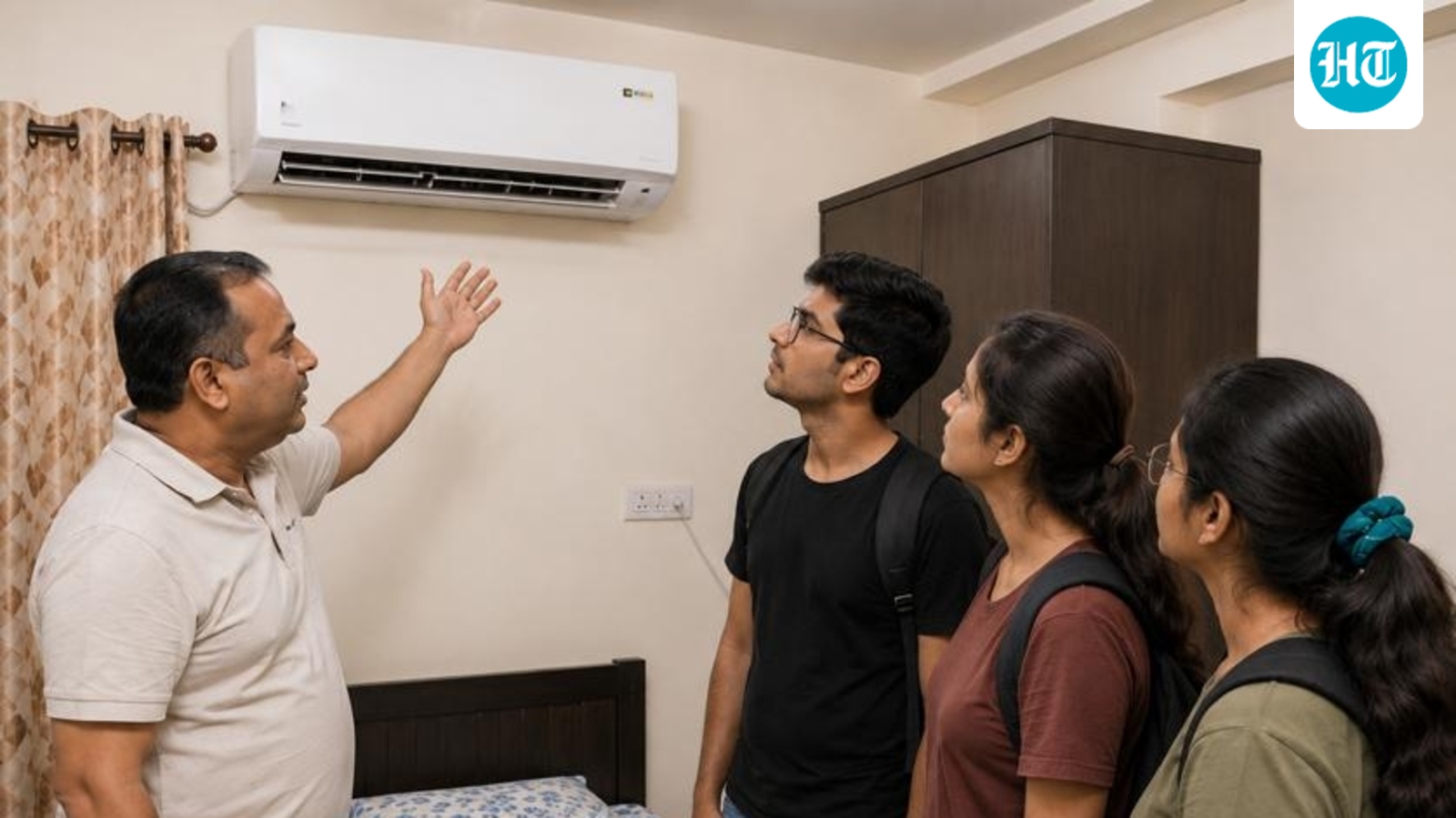
After the tragic collapse of a PG in Satya Niketan, killing 7 students, the Delhi government is set to bring thousands of paying guest accommodations under a formal regulatory framework.
A proposed Paying Guest Accommodation Regulation and Safety Bill, 2026, seeking mandatory licences, rent bands, security standards and a grievance redressal mechanism for students and residents has been drafted.
Maharashtra warns junior colleges against offline, unauthorised Class 11 admissions
The draft proposal, accessed by HT, includes mandatory licences, rent bands, security standards and a grievance redressal mechanism for students and residents.
Key proposals here
The key proposals under the proposed Paying Guest Accommodation Regulation and Safety Bill, 2026 is listed here:
Maharashtra extends deadline till Sep 15 for suggestions on draft coaching centres regulation law
- Mandatory registration of all PGs: Every PG establishment must be registered with the government.
- PG operating licence: PG operators must obtain a “PG Operating Licence” from the local zone authority within 90 days.
- Police verification: Operators must obtain it.
- Mandatory clearances/NOCs: PGs would need- No-objection certificate (NOC), municipal clearance, structural safety clearance, fire safety clearance and clearance from regional administrative officials
- Unique registration number and government portal: Registered PGs would receive a unique registration number and be listed on a proposed government portal.
- Security and surveillance norms: PGs would be required to provide CCTV cameras, security guards, visitor registers, and wardens
- Rent regulation: Zone-wise rent bands would be introduced. A Rent Regulation Committee would determine rent bands based on market rates, type of occupancy, amenities and proximity to educational institutions and transport hubs
- Cap on security deposits: Security deposits would be capped at three months’ rent.
- Time-bound refund of deposits: Deposits must be returned within 30 days.
- Restriction on excessive rent: Operators would not be allowed to charge above the notified rent band without government approval.
- Grievance redressal mechanism: A formal mechanism would be created for students and PG residents to raise complaints.
- Single-window clearance system: The proposal recommends a single-window system to coordinate clearances from multiple agencies.
- Phased implementation: The government proposes phased enforcement, acknowledging the difficulty of bringing informal PGs into the regulatory system.
- Focus on student safety and accountability: The proposed law aims to address issues such as harassment, privacy violations and unsafe PG conditions.
- Broader regulation of PG-related services: The government has indicated that the comprehensive law could also cover food quality standards and local businesses associated with the PG sector.
No approval for new pvt schools, varsities over inadequate regulation concerns: Arunachal minister
However, the proposal does not prescribe fire and emergency preparedness measures.
“Big announcements are made after such incidents. What will norms do if you do not have adequate equipment and mechanisms to implement them? There are multiple agencies in Delhi, how will they implement these norms without the police being under their control. You need to chalk out a holistic plan, one that takes into account the pros and cons of the system, the multiplication of agencies and how there has been an overexpansion of the sector,” said Jagdish Mamgain, urban planning expert and former MCD works committee chairman.


