



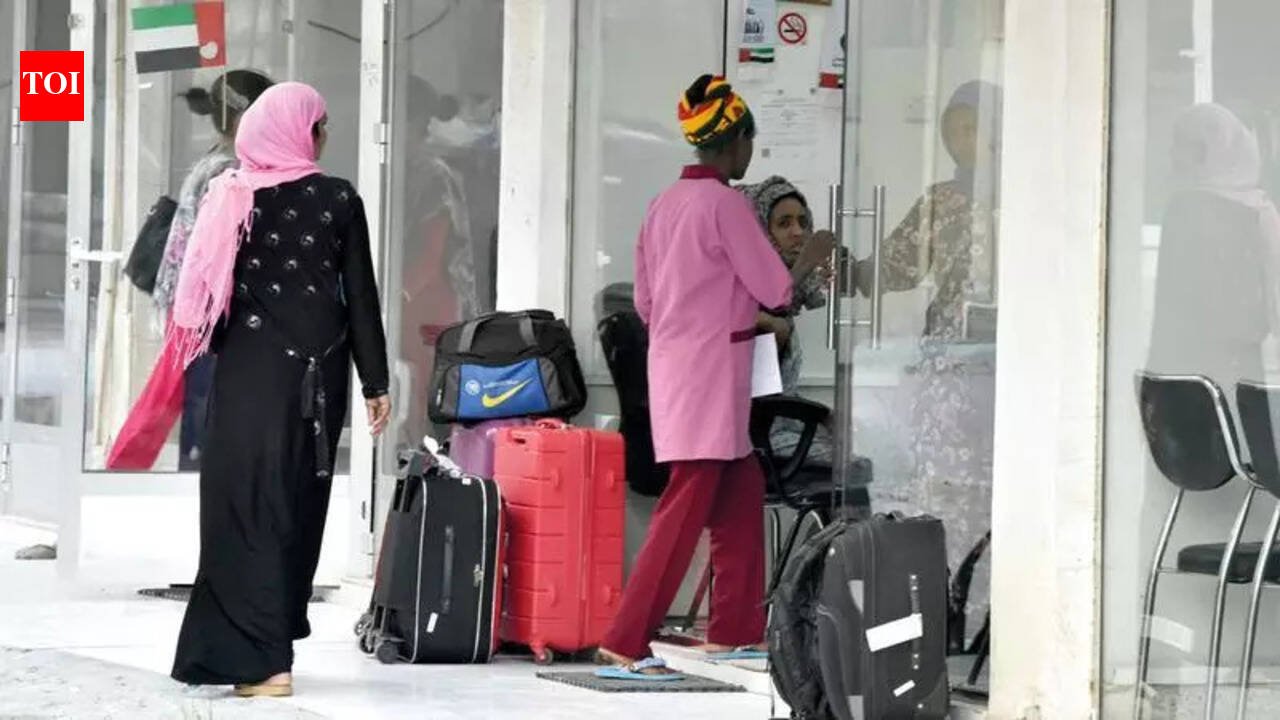
Hyderabad: For thousands of workers from Telangana, migration to the Gulf was seen as a pathway to stability. Instead, for many, it became a cycle of debt, precarious work and repeated attempts to leave again.A recent study titled ‘International Returnee Migrants in Telangana–Survey’ lays bare this reality. The findings show that nearly 72% of returnees had borrowed money to migrate, typically between Rs 50,000 and Rs 1 lakh. In districts such as Jagtial and Nizamabad, many took loans ranging from Rs 1 lakh to Rs 2 lakh. This debt burden heavily influenced their lives after returning. Whatever they earned abroad was often used first to repay loans rather than build assets or savings. The result was a recurring pattern: borrowing, migrating, partial repayment and, in many cases, planning to migrate again when local work proved irregular.Reintegration was more successful only where returnees could tap into stable local demand — such as driving, running small businesses or agriculture with access to land. For the unskilled and indebted, however, return often became a temporary halt rather than a permanent settlement. Employment abroad was largely concentrated in low and semi-skilled jobs. In Gulf countries, about 19% worked in construction, 15% as drivers, 11% in sanitary work and 9% in domestic work. Earnings were modest. A significant share earned below Rs 20,000 per month, while most others fell in the Rs 20,000-50,000 range. Only a small fraction reported incomes above Rs 50,000. With limited earnings came limited remittance capacity. A substantial number — particularly women — reported sending no remittances in the year preceding their return. Migration patterns also showed heavy dependence on a few Gulf destinations. The United Arab Emirates emerged as the most common country of return, especially for migrants from Jagtial and Nizamabad, while Saudi Arabia featured more prominently among returnees from Hyderabad.


