


Lucknow: Aspiring engineers are overwhelmingly choosing Computer Science and Engineering (CSE), whether they are targeting IITs or private colleges. This is pushing institutions to expand CSE intake, while seats in civil, electronics, and other core disciplines remain vacant. Experts warn this imbalance may reshape engineering job market and weaken talent pipeline for sectors dependant on core engineering. Arun Mohan Sherry, director of Indian Institute of Information Technology, Lucknow, said computer science will continue to create opportunities, but the advantage will shift toward candidates with strong fundamentals, deep technical capability, and interdisciplinary thinking rather than those relying only on a degree label.
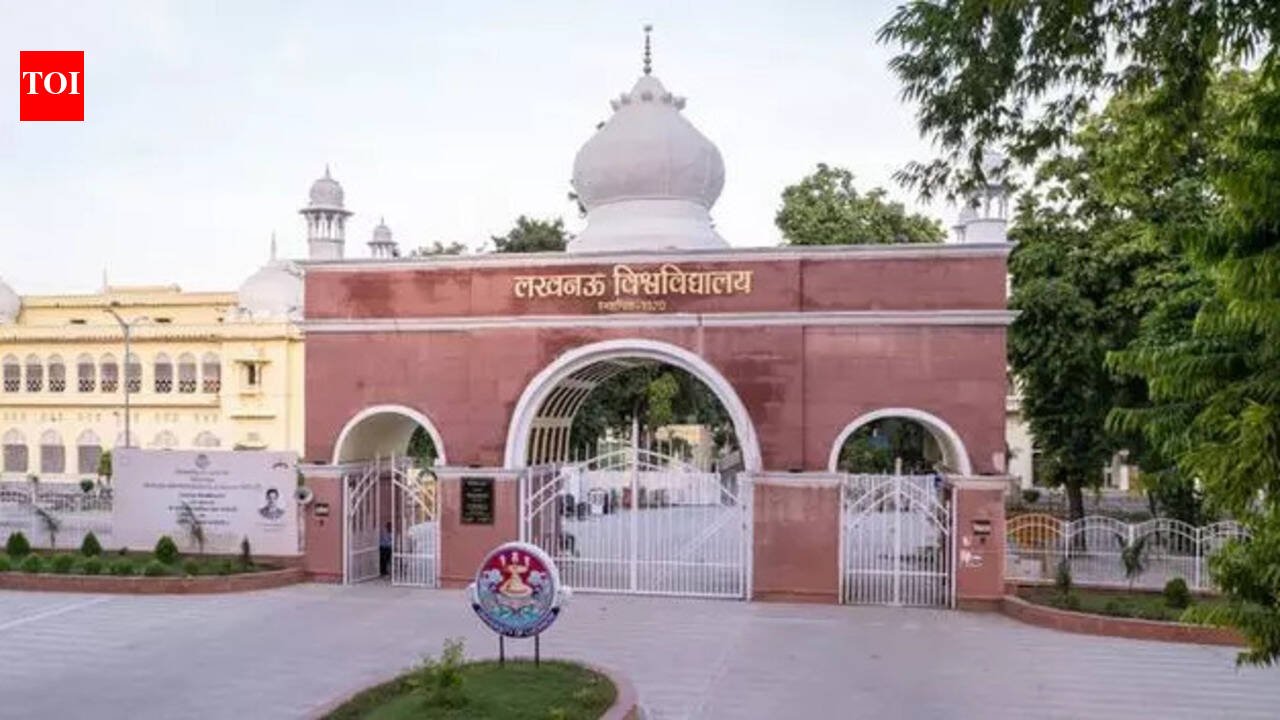
He cautioned that concentrating on one branch risks ignoring the importance of core engineering streams that underpin infrastructure, manufacturing, energy systems, and national self-reliance. Data shared by Prof Arun Kumar Tiwari, incharge training and placement and dean at the faculty of engineering, LU, highlights how sharply demand has moved toward technology-focused careers. Citing official AICTE figures for 2024–25, he said total BTech enrolment in India reached 12.53 lakh students, the highest in eight years and about a 67% rise compared with 2017–18. He said this growth is largely driven by CSE, which recorded 3,90,245 enrolments in 2024–25. Over the last five years, demand for CSE has nearly doubled, reflecting student expectations tied to the digital economy. To match this surge, institutions have expanded capacity. Prof Tiwari said the total number of approved engineering seats nationwide rose to 14.90 lakh in 2024–25, with most new seats added in CSE and emerging specialisations such as Artificial Intelligence, Machine Learning, Data Science, and Cybersecurity. He described this as evidence that the “modern BTech dream” is now centred on high-tech fields, even though core branches remain essential for the country’s long-term development. Prof Tiwari noted that Mechanical had 2,36,909 students, Civil 1,72,936, Electronics and Communication 1,60,450, and Electrical 1,25,902, all significantly behind CSE. Experts fear that fewer students in these branches could eventually affect the availability of skilled engineers for construction, public works, power systems, industrial production, and other non-IT sectors. Prof Tiwari also warned that the impact of this shift will become more visible in the job market by 2026 and 2027. He said as automation and AI take over basic tasks, the value of a standard degree is changing, and employability will increasingly depend on specialised skills and real capability. Himanshu Pandey, associate professor at the engineering faculty of LU, said the university launched BTech CSE in 2017 with 60 seats, increased it to 90 in 2018, and then to 120 in 2020. In 2021, it introduced BTech CSE (Artificial Intelligence) with 60 seats, which expanded to 120 in 2023.


