



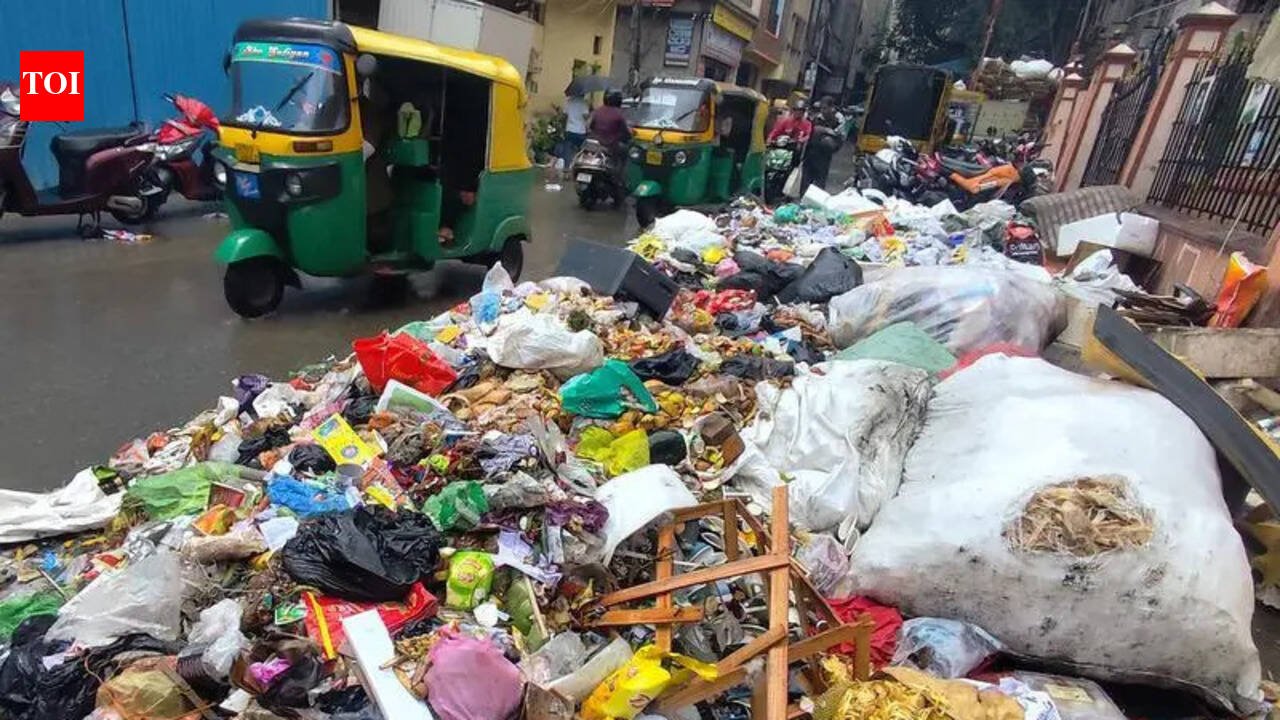
Bengaluru: Starting April 1, residents of Bengaluru who fail to separate wet and dry waste will face a Rs 1,000 fine, with penalties doubling to Rs 2,000 for repeat violations. The Bengaluru Solid Waste Management Ltd has tightened enforcement, making waste segregation at source mandatory for households and establishments alike.“We are rolling out stricter enforcement under the Solid Waste Management Rules, with authorities launching a city-wide special drive to ensure compliance. The initiative will be carried out by link workers and dedicated solid waste management teams across Bengaluru. Segregation at source is no longer optional, and waste generators must mandatorily divide their waste into these categories: wet waste, dry waste, sanitary and special care waste,” said BSWML CEO Karee Gowda.Sanitary and special care waste includes items such as diapers, sanitary napkins and hazardous or domestic biomedical waste that require careful handling.Importantly, the enforcement will extend to the collection chain as well. Auto-tipper drivers and pourakarmikas have been instructed to collect only segregated waste. They are also required to wear protective gear, including uniforms, gloves, masks and gumboots, to ensure safety and hygiene during handling of waste. “The decision was aimed at addressing Bengaluru’s growing waste crisis through behavioural change at household level. Segregation at source is the foundation of efficient waste processing. Despite repeated awareness campaigns, compliance has remained inconsistent. With enforcement, we aim to ensure that every citizen takes responsibility,” Gowda said. The city’s waste processing infrastructure is designed to handle segregated waste streams, and mixing waste at source undermines recycling and composting efforts, he said, adding: “We are also trying to build a system where waste is treated as a resource. Citizens must cooperate for this to succeed.” “The city generates nearly 6,000 metric tonnes of waste daily, and the biggest challenge is source-level segregation, which leads to a bottleneck in scientific disposal. By ensuring compliance at the first point of generation, authorities hope to improve recycling rates, reduce landfill burden,” Gowda told TOI. The enforcement drive is expected to be closely monitored in its initial weeks, with teams deployed across wards to check compliance and raise awareness alongside penal action. BOXSORT IT OUT AT SOURCEWet waste (Biodegradable): Kitchen waste, food leftovers, vegetable peels, garden waste.Dry waste (Recyclable): Plastics, cardboard, paper, glass, metal, tetra packs.Sanitary and special care waste: Diapers, sanitary napkins and hazardous or domestic biomedical waste


