



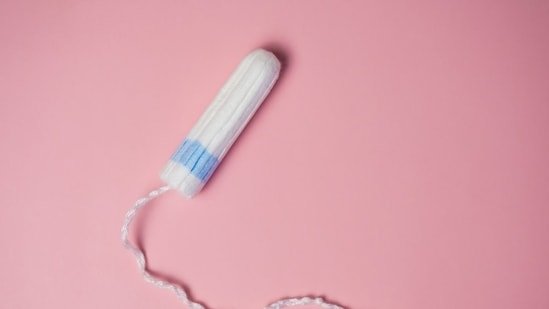
There are many menstrual products available today. While pads are still widely used, there are other options, like tampons and menstrual cups, that provide comfort and convenience. However, instead of choosing these products based on their ease of use, many women hesitate because their decisions are influenced by fear, shame, and stigma around the body.
This is especially true for menstrual products that are inserted into the vaginal canal, like tampons. They raise doubts about whether they can affect virginity or cause pain during insertion in some way.
However, many of these worries actually come from misinformation rather than medical facts. With the right guidance from a healthcare expert, these myths can be addressed and debunked. Only then can women make better and more informed choices about their menstrual health.
Dr Sudeshna Ray, associate director- obstetrics and gynaecology, Jaslok Hospital and Research Centre, and senior consultant at Breach Candy Hospital and HN Reliance Hospital, shared with us the real medical facts behind popular tampon-related myths. Whether the concerns about insertion, pain, or the hymen are true, she explained the science behind each.
1. Does a tampon affect virginity?
The first common myth is that inserting a tampon may affect virginity, as much of the discourse around virginity is associated with a supposed ‘breaking’ of a sealed membrane called the hymen. However, the gynaecologist disagreed with this, calling it incorrect and explained why.
“From a medical standpoint, ‘virginity’ is not a diagnosable or measurable state. It is a social and cultural construct, not a biological marker. There is no medical test, tissue, or physical feature that can conclusively determine whether someone is a ‘virgin’,” she said.
She further corrected the anatomical misunderstanding around the hymen. It is not a seal that is meant to ‘break,’ especially during sexual intercourse. Rather, as Dr Ray highlighted, it can naturally stretch or change over time due to everyday activities such as cycling, sports and dancing.
Some women are born with, as the doctor underlined, a ‘very minimal hymenal tissue’, while in other cases, it may already be partially open or elastic from birth.
Long story short, using a tampon does not mean you have lost your virginity, as it is a social construct. The doctor reminded that such beliefs are outdated and discourage young girls from exploring menstrual products that might be more convenient, especially for sports, travel, or long workdays.
2. Should ‘beginners’ use a tampon?
Another common question is whether beginners, especially teenagers who have recently started menstruating, can use tampons. Usually, first-time menstruators are handed pads because they are ‘easier’ to use and are seen as the standard menstrual product. This makes tampons and menstrual cups seem more ‘advanced’ or intimidating. However, the doctor had a different view.
“Tampons are safe for beginners. They are medically safe and widely recommended. When used correctly, they sit comfortably inside the vaginal canal and absorb menstrual flow without causing harm,” Dr Ray opined.
She then recommended that teenagers start with a smaller size and using applicator-based tampons can make insertion easier and more comfortable.
3. What does pain during tampon insertion mean?
When someone experiences pain while inserting a tampon, it is usually wrongly linked to losing virginity or breaking the hymen. However, this discomfort suggests application-related issues.
“If someone experiences discomfort while using a tampon, it is usually due to incorrect placement, muscle tension, or dryness, not because of ‘virginity.’ Relaxation and correct positioning make a significant difference,” Dr Ray explained.
There are actual advantages to tampons, like being much more compact and smaller, which can easily fit in pockets or purses.
Note to readers: This article is for informational purposes only and not a substitute for professional medical advice. Always seek the advice of your doctor with any questions about a medical condition.


