






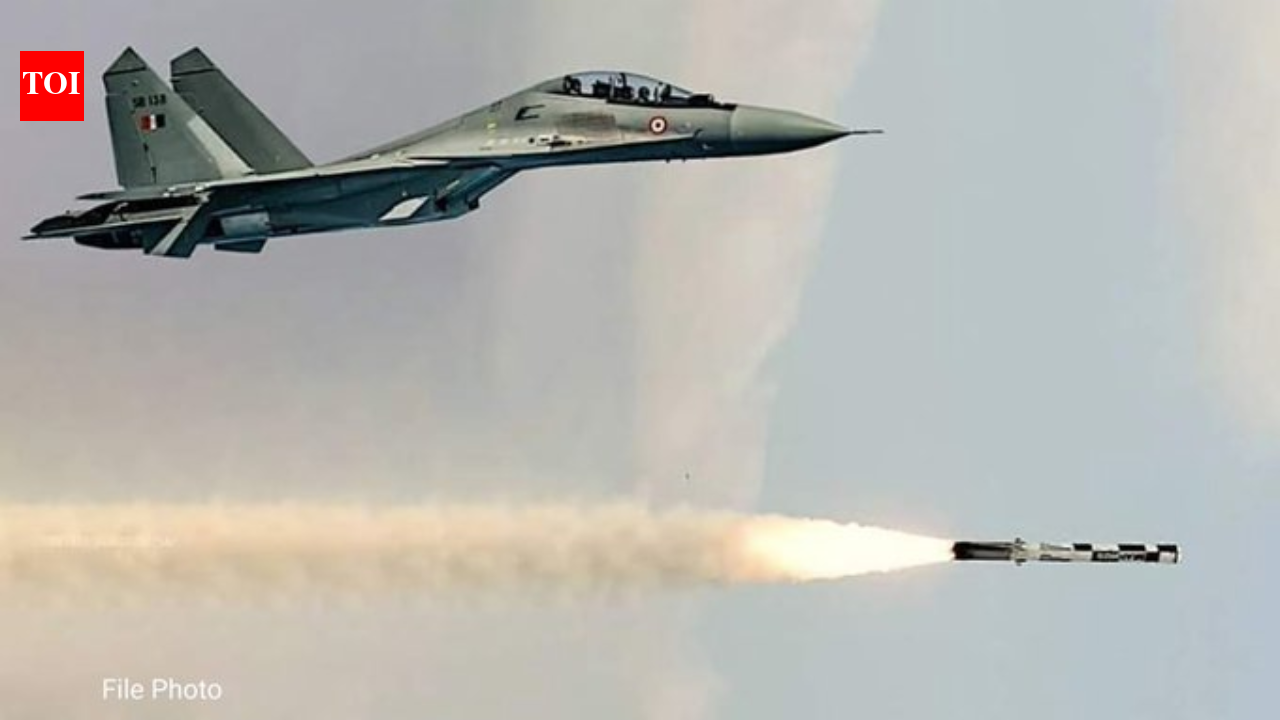
The Pakistani Air Force (PAF) claims to have procured newer weapon types that it hopes will help defend against the type of aerial attacks that the Indian Air Force unleashed on air bases across Pakistan during Operation SindoorIndian attacks on Pakistani air defences destroyed the radars of Pakistan’s Chinese-origin HQ-16 Surface to Air Missile (SAM) system. On defence of Pakistan Day, commemorating the 1965 war (a conflict that the country ended up losing), the PAF revealed close-in air defence equipment that it hopes will shield its air bases in case a conflict does flare up in the future.The new equipment showcased by the Pakistanis is of both Chinese and Turkish origin, according to Bloomberg. The first of these systems is the HQ-17A system, which is derived by the Chinese from the Russian Tor-M1 system. Like the Russian Tor, the HQ-17 is an all-weather, low-to medium-altitude, short-range surface-to-air missile system that is designed to destroy airplanes, helicopters, cruise missiles and unmanned aerial vehicles. The system can take out targets up to a range of up to 20km and altitude of lower than 35,000 feet. Many stand-off weapons, both currently in use and underdevelopment by the air force, can target a system protected by this weapon from a much greater distance.A supersonic missile, such as the terrain hugging Brahmos that travels at Mach 3 will not be visible to the radar of this weapon till the last few seconds, thus reducing the effectiveness of the HQ-17. India is also developing the Rudram series of Anti-Radiation Missiles (ARM), this family of missiles are designed to destroy air defence radars from much outside the ranges of the weapon firing envelope of current Pakistani air defence systems. These missiles are designed to destroy the radar array of the air defence system. Apart from Pakistan, Turkey and Serbia are in possession of this air defence system.Another air defence weapon procured by the Pakistanis in the recent past and showcased now is a Turkish origin gun based close in weapon system called the KORKUT is a all-weather-capable 35 mm self-propelled anti-aircraft gun (SPAAG) developed by Aselsan. This system is designed around two Swiss developed 35mm guns which have a range of 4km. The Pakistanis already operate the Swiss made weapon system and in terms of ammunition already have the logistics set-up for this weapon. The weapon is expected to give thew Pakistanis similar type of protection as provided by India’s L-70 guns, especially against drones and swarm drones.These weapons are expected to provide key Pakistani air force assets some protection against at least some of the weapons that can be employed in a conflict. They could also add an additional layer of air defences when deployed. Pakistan had also deployed air defence weapons during Operation Sindoor, but India’s weapons still found their mark. This was achieved due to careful weapon selection and tactics, blunting Pakistan’s perceived edge in the domain.In response to many of Pakistan’s failed attacks on key Indian locations, which also included the use of ballistic weapons, the Indian Air Force struck back hitting key air bases, air defence sites and early warning radar sites across the length a of Pakistan from Nur Khan air base in the north to Malir Cantt in Karachi in the south.


