





Patna: For generations, Bihar’s abundance of water was viewed more as a curse than a blessing. Floods, waterlogged fields, wetlands and unpredictable rivers brought displacement and economic hardship. Today, the same aquatic wealth is driving an economic transformation.
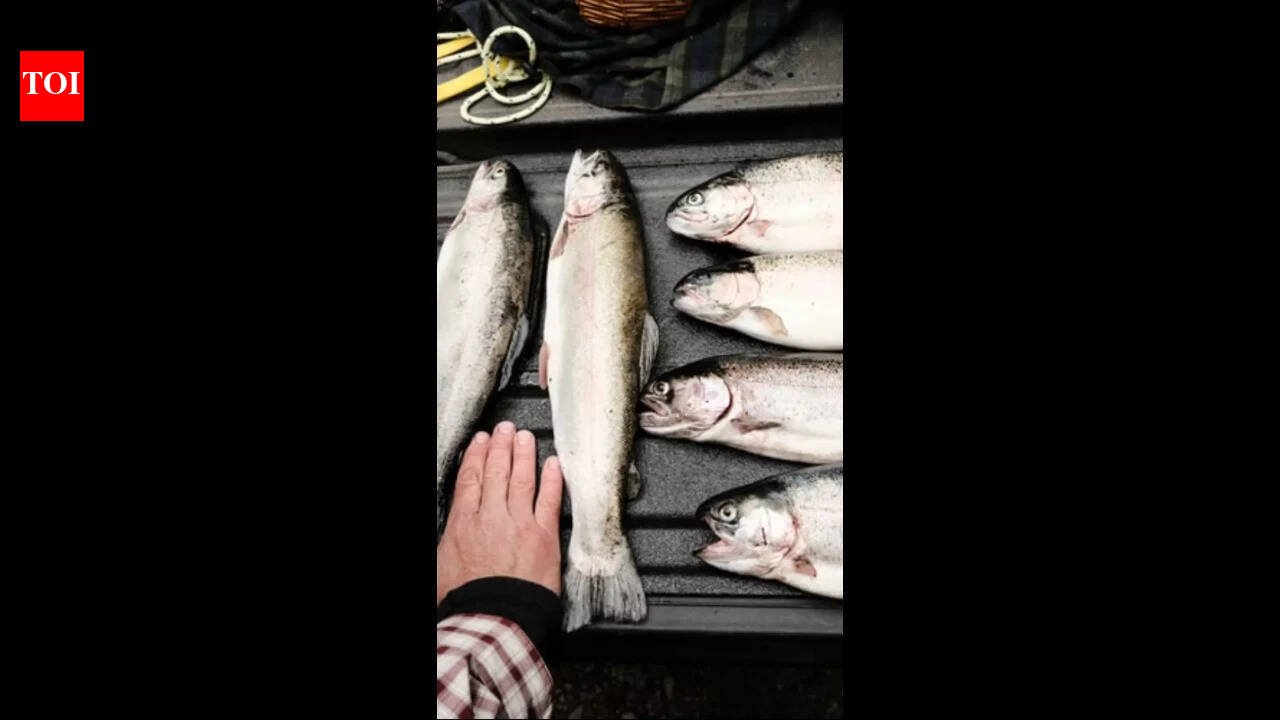
Image used for representation
Bihar’s fish production touched a record 1.028 million metric tonnes in 2025-26, marking a turnaround for a state dependent on supplies from Andhra Pradesh, West Bengal and other states. It has emerged as a supplier to neighbouring states and even Nepal.Bihar has climbed from ninth position among India’s inland fish-producing states in 2014-15 to fourth. Production rose from 4.79 lakh MT in 2014-15 to 8.73 lakh MT in 2023-24, an increase of nearly 82%. In 2023-24 alone, about 38,380 tonnes of fish were sent to other states.AQUATIC WEALTHBihar possesses enormous aquatic resources. Its ponds and tanks cover more than 1.22 lakh hectares, while floodplain wetlands, locally called “chaurs” and “mauns”, extend across nearly 9.5 lakh hectares. Reservoirs cover another 0.64 lakh hectares, while rivers and irrigation canals stretch for more than 21,000km. What was once regarded as waterlogged wasteland is becoming productive aquaculture space.The state’s fish basket includes Catla or Bhakura, Rohu, Mrigal or Naini, Pangasius, Magur, Singhi, Tengra and other indigenous catfish. Catla remains popular among consumers, said fisheries department joint director (headquarters) Gauri Shankar.POLICY PUSHThe transformation has been backed by govt investment. Under the Prime Minister’s Special Package, fisheries projects worth Rs 279 crore were approved for Bihar, covering fish-seed production, ponds, hatcheries, cage and pen culture and fish markets.The Pradhan Mantri Matsya Sampada Yojana (PMMSY) has provided another boost, with projects worth Rs 522 crore sanctioned for hatcheries, ponds, wetland stocking, biofloc systems and post-harvest transport.The state’s Mukhyamantri Samekit Chaur Vikas Yojana is designed to turn waterlogged “chaurs” into productive aquaculture zones. Subsidies for ponds, pumpsets, biofloc systems and modern technologies are encouraging farmers to move towards intensive and commercially viable aquaculture.NEW TECHNOLOGIESThe next phase of Bihar’s fish revolution is being driven by alternative technologies. Fisheries scientist Ravindra Kumar Jalaj of Krishi Vigyan Kendra, Rohtas, points to biofloc technology, in which beneficial microorganisms convert fish waste into microbial biomass that can provide additional nutrition. The system requires less water and land than conventional pond farming.Another emerging option is the recirculating aquaculture system (RAS), where water is continuously filtered, purified and reused in controlled tanks. It enables high-density production of Pangasius, Tilapia and Singhi while reducing exposure to floods and climatic risks. Some progressive farmers have also taken up Pangasius and prawn farming on a large scale, enhancing their income considerably.Bihar’s vast “chaurs” offer another opportunity. Under integrated chaur development, deeper areas can be used for fish production while embankments support horticulture and other activities. Subsidies of up to 70% are available for eligible marginalised communities.Cage culture is also gaining ground in reservoirs and wetlands, allowing fishers to rear fish in floating cages without owning private ponds. Cooperative societies can operate these units with govt support for cages, fingerlings and initial feed, according to scientists at the university.CHALLENGES AHEADThe transformation faces hurdles. Shortages of quality fish seed, fragmented ownership of water bodies, inadequate refrigeration, weak post-harvest infrastructure and inefficient marketing could limit the benefits of rising production. Without cold chains and faster transportation, output can be undermined by wastage.The social dimension is encouraging. Through JEEViKA, rural women are being organised into fish-farmer groups, while Kisan Credit Cards provide working capital. Transport support and fresh-fish kiosks are connecting producers directly with urban consumers.Bihar’s aquatic revolution is about more than fish. It marks a shift from treating waterlogged land as a liability to recognising it as an economic asset. If quality seed, modern technology, cold chains, processing facilities and efficient marketing networks expand alongside production, Bihar’s ponds, wetlands and reservoirs could help fight malnutrition, unemployment and rural poverty.


