



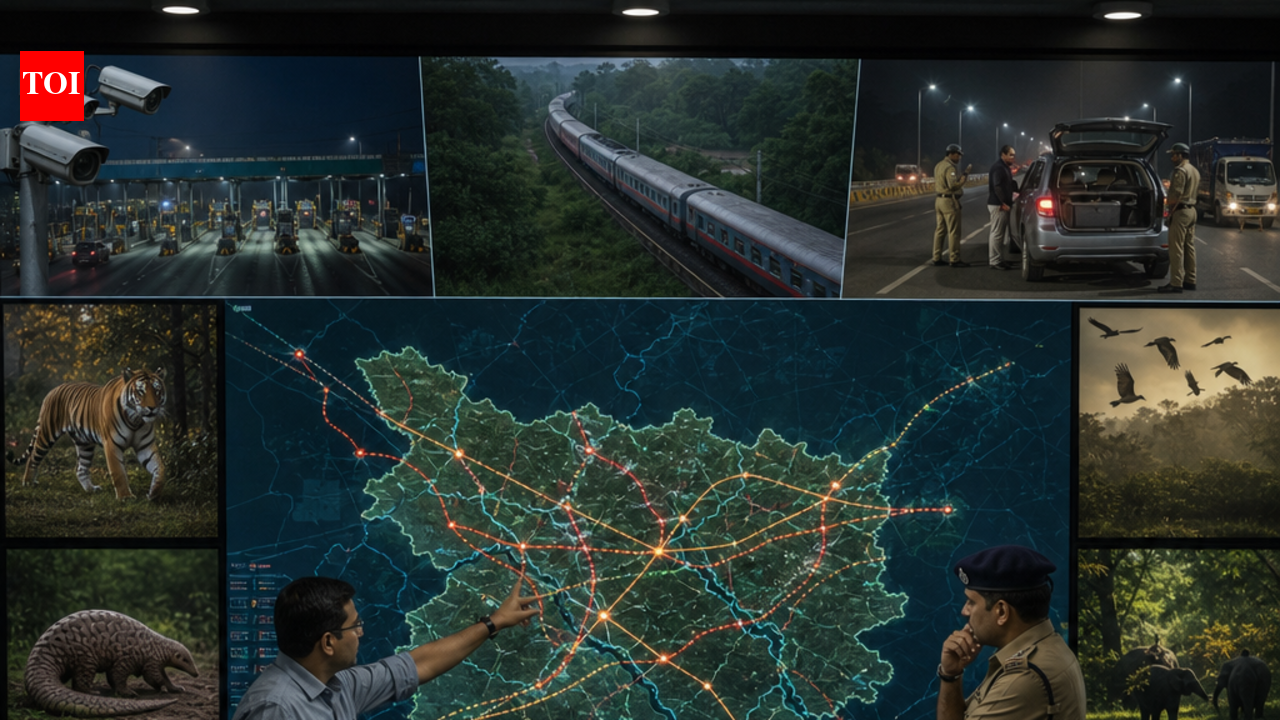
Patna: Bihar will step up its crackdown on wildlife crime by mapping sensitive trafficking routes and locations using Geographic Information System (GIS) technology and strengthening surveillance across railway, road and air networks.The state is also exploring CCTV cameras at toll plazas to monitor vulnerable routes and suspicious vehicles. Investigations will go beyond the recovery of animals or their remains, with agencies directed to probe entire trafficking networks and associated financial transactions.The strategy was discussed at an inter-agency meeting on “Strengthening Wildlife Law Enforcement in Bihar” at Aranya Bhawan in Patna on Thursday. Officials from the environment, forest and climate change department, police, enforcement, transport, border, forensic and other agencies attended.Principal chief conservator of forests Arvinder Singh stressed the need for better coordination among enforcement agencies, citing Bihar’s strategic geographical location. Chief wildlife warden Abhay Kumar emphasised intelligence sharing and swift coordination to combat poaching and illegal wildlife trade.Ruchika Rishi, inspector general of police-cum-additional director at the Wildlife Crime Control Bureau (WCCB) headquarters, highlighted the growing threat from offences committed through social media and digital platforms. She stressed preserving digital evidence and ensuring action against offenders was legally sustainable.WCCB eastern region deputy director Suyog Subhashrao Patil presented an analysis of wildlife crime trends, sensitive locations and trafficking routes between 2021 and August 2026. Valmiki Tiger Reserve field director Gaurav Ojha highlighted vulnerable routes and enforcement challenges.The meeting also called for nodal officers in all concerned agencies, regular coordination, secure information sharing on seizures and joint operations, and updated standard operating procedures for airports and the aviation sector.
