






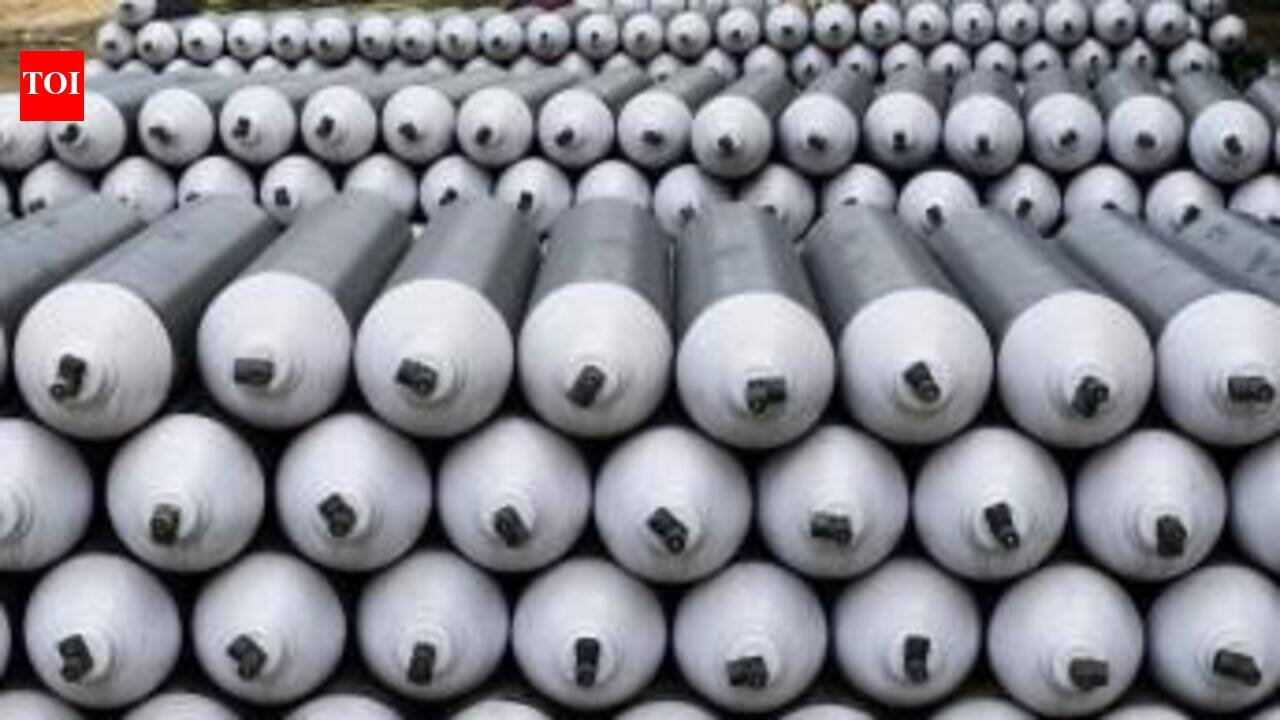
Bengaluru: Recently, a 75-year-old man in Bengaluru was climbing the stairs to the second floor of his home when he developed sudden chest pain and lost consciousness. By the time he reached the emergency room, he had stopped breathing. Doctors said he had suffered a myocardial infarction, commonly known as heart attack. The lack of oxygen supply to his brain after he lost consciousness made it harder to revive him, and he eventually succumbed.Such cases, along with reports of people fainting in congested public transport, have highlighted the need for emergency oxygen to be available in public areas such as arterial roads, gyms, malls, bus and Metro stations, doctors said.“Hypoxia can occur because of cardiac, respiratory or neurological causes. Oxygen is an essential component of emergency medical management, and hypoxia itself is an acute emergency. Without immediate oxygen supply in such cases, it can cause irreversible damage to the brain,” said Dr Satishchandra P, senior neurologist and former director of Nimhans, who now practises at Apollo Hospitals.He said oxygen should ideally be administered within the first two to three minutes after hypoxia begins. “Since hypoxia can occur in anyone and anywhere — in road accidents, among the elderly, during childbirth, or due to infections such as Covid-19, strokes or respiratory problems — there is a need for an emergency oxygen system in public places,” he added.Temporary emergency oxygen could also be beneficial at high-altitude destinations frequented by tourists. “In hill stations, there could be a clear indication of lack of oxygen, and in such situations, emergency oxygen could definitely be beneficial until help arrives,” said Dr Ravindra Mehta, interventional pulmonologist and founder-director of Vaayu Chest & Sleep Specialists. Dr Mehta, however, warned that emergency oxygen at random places is not advisable unless awareness is created about it and there is expertise available to handle the same.Dr H Sudarshan Ballal, chairperson, Manipal Hospitals, said, “What is really needed is someone who can respond to the patient, because oxygen has to be used appropriately and managed safely. It would therefore make more sense to have oxygen available as part of a clinic or a trained medical response system, rather than allowing the public to simply access and inhale oxygen. It also needs to be handled safely because oxygen supports combustion and can increase fire risk.”


