



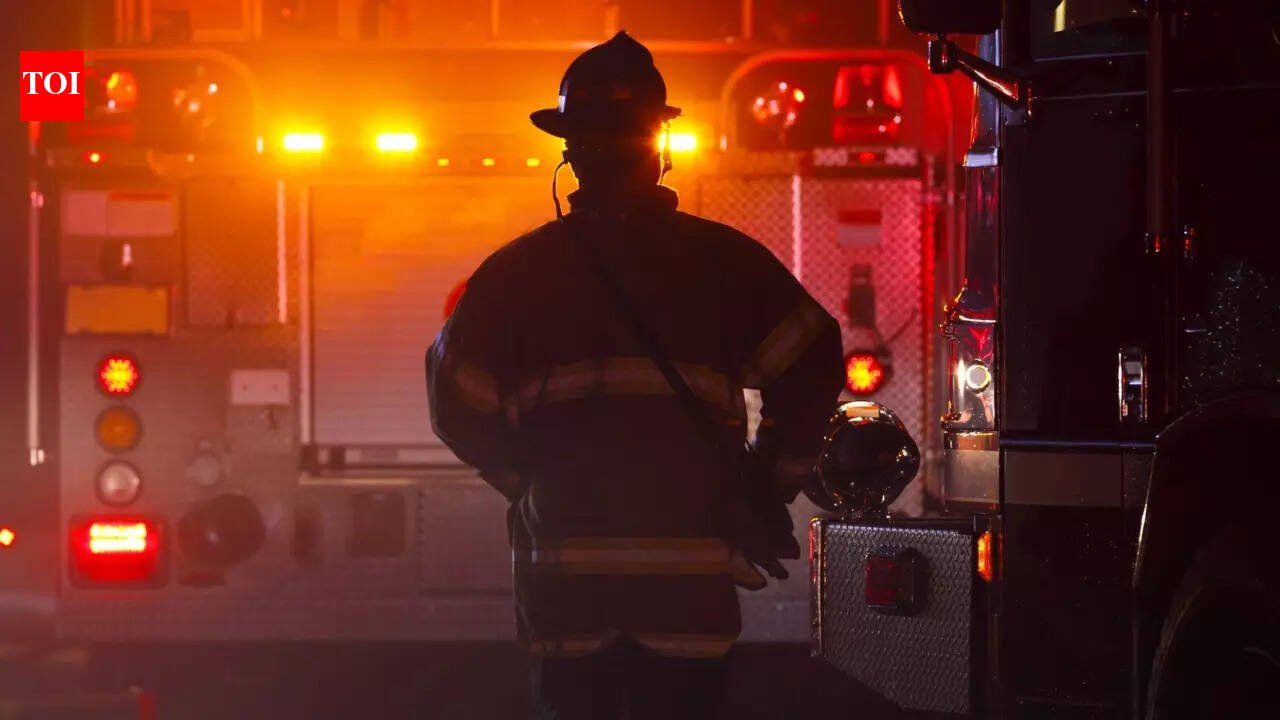
A fire that erupted at a petroleum storage facility in the emirate of Sharjah has been brought under control after emergency services rushed to contain the blaze late Saturday night. The incident occurred in the Sajaa Industrial Area, a major industrial zone known for housing energy storage facilities, warehouses and logistics operations.According to local authorities, firefighters from Sharjah Civil Defence responded immediately after receiving reports of the fire at around 9:02pm, launching rapid containment and cooling operations to prevent the flames from spreading to nearby fuel tanks. Investigators believe the blaze was triggered by a leak in one of the petroleum storage tanks, though a full investigation into the cause has been launched.While the fire was eventually contained without reported casualties, the incident comes at a tense moment for the Gulf region, where energy facilities, ports and logistics hubs have become increasingly sensitive amid the ongoing Iran vs US-Israel war and rising security alerts across the Middle East.
What happened at the Sharjah fuel storage site
The fire broke out at a commercial facility storing petroleum products in the Sajaa Industrial Area, one of the emirate’s largest industrial clusters. Authorities shared that emergency teams moved quickly once the alarm was raised. Firefighters deployed specialised foam equipment and cooling techniques designed for petroleum fires, which are particularly dangerous due to the flammable nature of fuel vapours.Civil defence teams focused on containing the flames to prevent the fire from spreading to adjacent tanks and cooling the surrounding structures to avoid explosions caused by heat buildup. Officials later confirmed the blaze was successfully brought under control, though firefighters remained on site for several hours to monitor the area and prevent flare-ups.Cooling operations are a standard procedure in petroleum-related fires because heat trapped inside storage tanks can reignite flames even after the visible blaze appears extinguished.
No casualties reported at the Sharjah fuel storage site
Authorities confirmed that no injuries or fatalities were reported in connection with the incident. Emergency responders also ensured that nearby facilities and workers were protected while the firefighting operation continued. Industrial zones such as Sajaa typically host multiple warehouses and storage tanks containing fuel, chemicals and other industrial materials, meaning fires in such locations can escalate rapidly if not controlled quickly. The swift response by civil defence teams appears to have prevented a much larger industrial disaster.
Why petroleum storage fires are so dangerous
Fuel storage sites present unique fire hazards due to the presence of highly flammable materials. Petroleum products such as diesel, gasoline, and industrial fuels release vapours that can ignite easily under high temperatures or when exposed to sparks. Once a storage tank catches fire, the flames can spread quickly to neighbouring tanks through radiant heat.In severe cases, tanks can explode in a phenomenon known as a boilover, where superheated fuel erupts violently and spreads burning liquid over a wide area. This is why emergency responders rely on specialised firefighting methods, including foam blankets that suppress vapours and prevent oxygen from feeding the flames.
A critical industrial zone in Sharjah
The Sajaa Industrial Area is one of Sharjah’s most important economic zones. The area hosts a wide range of industries, including:
- oil storage and distribution
- logistics and transport companies
- manufacturing plants
- construction material suppliers.
Due to its proximity to major highways and ports, the zone plays a key role in supporting supply chains across the UAE and the wider Gulf region. Industrial safety standards in such zones are typically strict, with facilities required to follow detailed protocols for storing and handling hazardous materials.
The fire comes amid regional tensions: Iran vs US-Israel war
The Sharjah blaze also occurred during a period of heightened security concerns across the Gulf. In recent weeks, several energy facilities in the region have experienced fires or disruptions linked to the escalating conflict between Iran, the United States and Israel.For example, a major fire recently struck the Fujairah Oil Industry Zone, one of the UAE’s largest oil storage hubs, after debris from an intercepted drone triggered a blaze inside the facility. Authorities later confirmed that UAE energy supplies remained stable and that the incident did not disrupt domestic energy markets.Similarly, operations at some oil terminals in Fujairah were temporarily suspended after drone-related incidents caused fires near fuel storage infrastructure. These developments have heightened concerns about the vulnerability of energy facilities across the Gulf.
Growing security around Gulf energy infrastructure
Across the Middle East, energy infrastructure such as oil depots, refineries, ports, and pipelines are considered strategic assets. The Gulf region is home to some of the world’s most important oil and gas facilities, many of which support global energy supply chains. Countries such as the UAE, Saudi Arabia, and Qatar export millions of barrels of oil and liquefied natural gas each day. Due to this, even isolated incidents involving energy facilities can attract global attention.Regional governments have therefore increased monitoring and security around energy infrastructure in recent weeks. Measures include:
- enhanced air-defence monitoring
- stricter safety inspections at industrial facilities
- emergency preparedness drills for civil defence teams.
Fire safety protocols in UAE industrial zones
The UAE has invested heavily in industrial safety systems over the past decade. Civil defence authorities regularly conduct inspections to ensure that facilities storing hazardous materials comply with safety regulations.These regulations typically require:
- automatic fire detection systems
- emergency shut-off valves
- foam-based firefighting systems
- clear evacuation procedures for workers.
Industrial operators must also conduct routine maintenance on fuel storage tanks to prevent leaks and corrosion. Investigators examining the Sharjah incident are expected to assess whether the suspected leak that caused the blaze resulted from mechanical failure, maintenance issues or other operational factors.Following the incident, authorities urged residents and social media users to rely only on official updates regarding the fire. In recent years, videos and images from industrial fires have often spread rapidly online, sometimes accompanied by misinformation. Officials typically advise the public to avoid sharing unverified footage and to follow updates from official civil defence or government sources. This helps prevent panic and ensures accurate information reaches residents.Although the fire has been extinguished, authorities say specialised teams will remain on site to continue monitoring the area and conducting safety assessments. Investigators are expected to:
- inspect the damaged storage tank
- determine the exact cause of the leak
- assess structural damage to nearby facilities
- review safety procedures at the site.
If violations of industrial safety standards are discovered, operators could face penalties or be required to upgrade safety systems. The Sharjah petroleum storage fire serves as a reminder of the risks associated with large-scale fuel storage operations. Even with strict safety measures, industrial accidents can occur due to equipment failure, maintenance issues, or operational errors. However, the rapid response by emergency teams ensured that the situation did not escalate into a larger disaster.


