



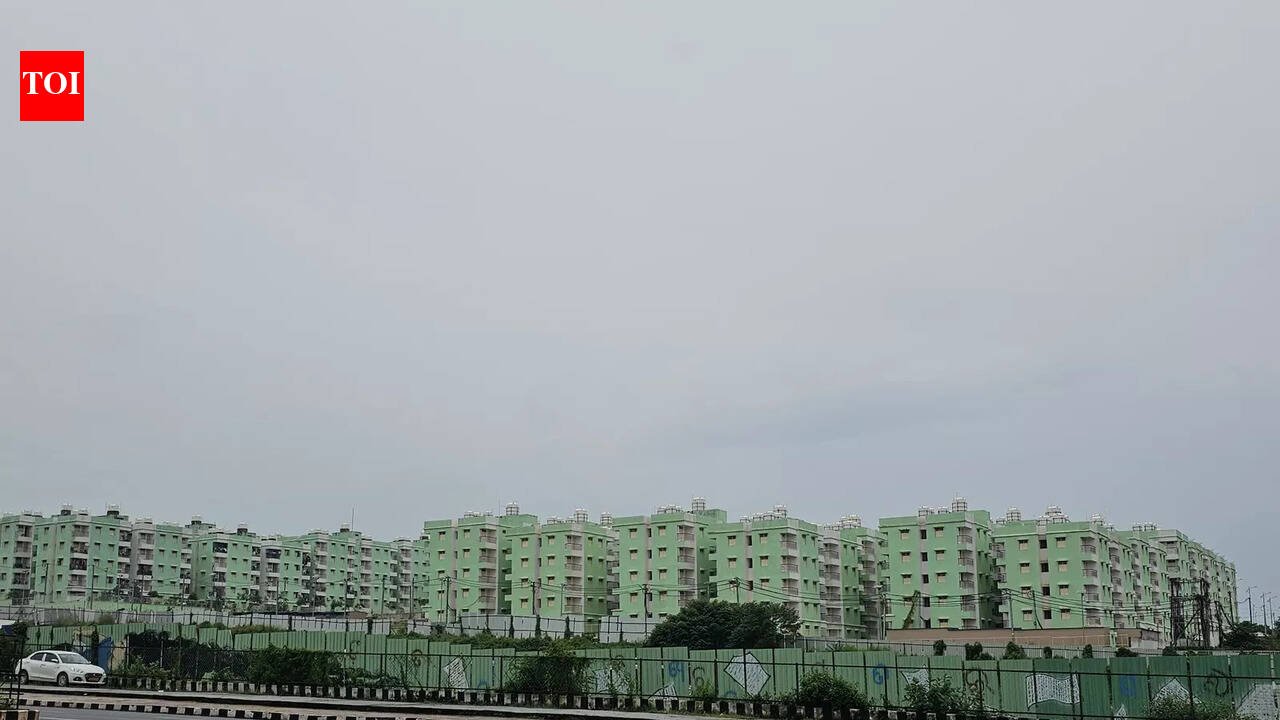
Bhubaneswar: The state govt is executing five major affordable housing projects across Bhubaneswar, Cuttack and Rourkela in public-privatepartnership (PPP) mode, housing and urban development minister Krushna Chandra Mahapatra stated in a written reply in the state assembly during the ongoing session.The projects are being implemented under model IV of the Housing for All (Urban) policy, where private developers construct housing units over 65% of the project land, while utilising the remaining 35% for their own commercial or residential use.According to the reply, the houses are being built as per the Odisha Housing for All (Urban Area), 2022 guidelines, which mandate standards for affordable housing units in urban centres across the state.The minister stated that the ongoing projects aim to address the rising demand for low-cost housing in growing urban pockets, particularly in metropolitan clusters where land values and migrant pressures have increased sharply.The five PPP projects include Narayanpur Affordable Housing Project in Cuttack, Neelamadhav Awas Yojana, Chandrasekharpur, Shantipali Awas Yojana, Satya Nagar, Chandrasekharpur Affordable Housing Project and Chhend Affordable Housing Project in Rourkela.The minister clarified that since these developments are being done under the PPP framework, no per-square-foot construction cost has been fixed by the govt, and the developers are bound by the service obligations laid out in the agreement rather than a predetermined cost ceiling.Responding to concerns that some affordable units being built under national housing parameters may be smaller than expected, the minister said that all units adhere to standards under the National Housing Standard (NHS) and state policy norms.He added that the projects were designed to maximise access for economically weaker and lower-income groups while ensuring urban liveability standards. Collectively, these projects would add over 5,000 dwelling units for the urban poor.The govt said these five projects are to significantly boost the affordable housing stock in the three major urban centres. With rapid demographic shifts and growing demand for formal housing, officials said that the PPP model offers the fastest and most financially viable route to bridge the urban housing deficit.


