


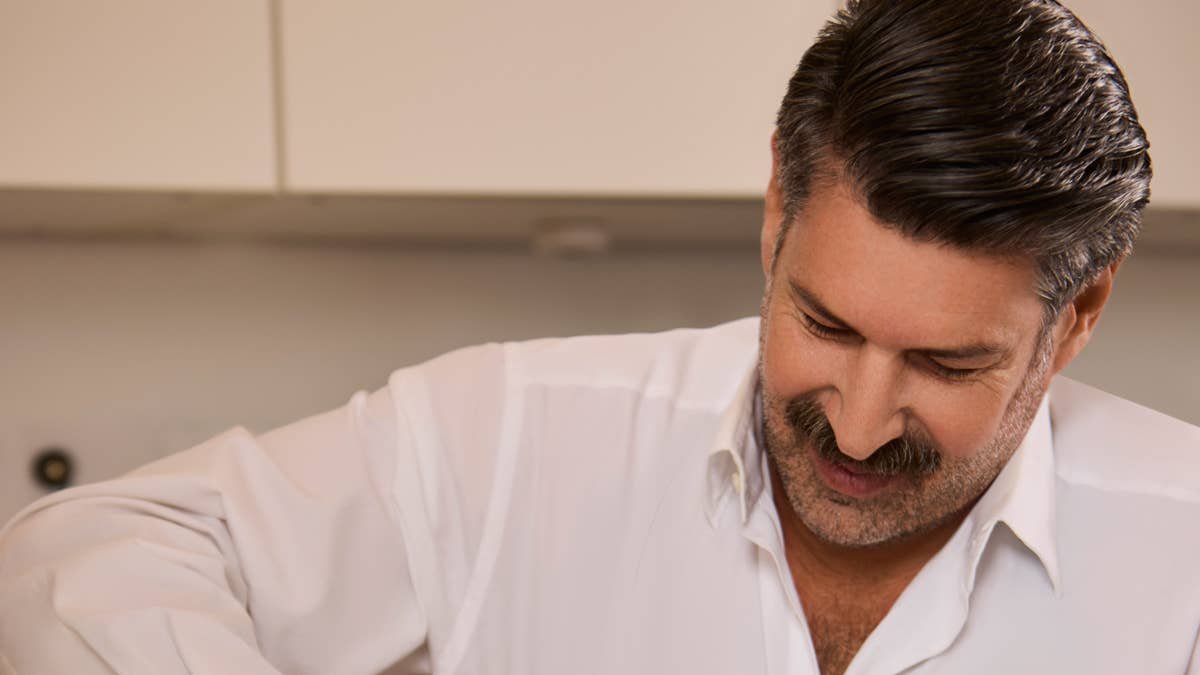
For more than four decades, Philip Berkovitz has been helping shape the way people think about hair care. The hairstylist founded his eponymous luxury brand in 1991, building a loyal following for its botanical-powered formulas and scalp-first philosophy long before scalp care became one of the industry’s buzziest trends.
Today, Philip B. is sold around the world, with bestsellers including its Rejuvenating Oil, Peppermint Avocado Shampoo and Weightless Conditioning Water (a personal favorite). Fashionista caught up with the founder recently to talk about how often you should really shampoo (sorry!), why “scalp training” is a myth and the biggest mistakes people make when washing their hair.
How often do you recommend that most of us wash our hair?
Shampoo at least twice a week because your scalp [has] all those organisms living on there, and guess what? They eat dead skin and they eat sebum. So if you’ve got an overproduction of sebum and dead cells due to the lack of balance, well, it sounds like a buffet to me.
What do you think about the “scalp training” trend?
You have 100,000 to 140,000 follicles in a human head. In every follicle, you have at least an oil gland. So that’s a lot of oil glands. They’re constantly pumping sebum. Your scalp’s the oiliest part of your body. If you really think not shampooing is going to stop your oil glands from pumping and regulate it, you’re wrong. Those microorganisms that live on your scalp are going to grow and multiply at such a rapid rate that you’ll probably get a little itchy.
Is there a right way to wash your hair?
What people get wrong is they scrub the hair. The hair doesn’t sweat when you run. It doesn’t bleed when you cut it. The hair is just there. The more you scrub it, the more you strip it. You really need to keep a proper lipid balance within the hair shaft itself, especially as you get away from the scalp and down towards the ends. So how I recommend cleansing is to always apply your shampoo directly to the scalp.
Now, if you’re using a [cleansing conditioner], they’re going to be softer. They’re going to be more gentle. But if you’re looking for a good scalp cleanser, you really want to go into your scalp with a good clarifier, get into your scalp, lather it into your scalp, let the lather pick up the fats from your head and buffer the lather so the lather becomes creamy. And then you can just drag it down through your ends gently. Drag it. You don’t need to scrub your hair because it just burns it out.
What do you wish people understood about their scalp?
Skin is skin, and the proper pH of skin is 5.5. Now, what you don’t realize is when you rinse off your hair conditioner and when you rinse off your soap from your face and your body, the pH of the water you’re washing with is made for drinking, usually pH seven to nine. So what it’s doing is it’s raising the pH of the acid mantle of the skin, which is really disturbing the balance of the skin, which is triggering the immune system, and it’s making all of the bacteria grow at a rapid rate. So if you have troubled skin, it’s going to give you even more troubled skin.
But also, it’s going to make your oil glands pump more oil quicker because the pH is so high that it’s going to make your skin dry out quicker, which is telling your immune system that there’s an imbalance. Once there’s an imbalance, the oil glands start pumping.
Photo: Philip B.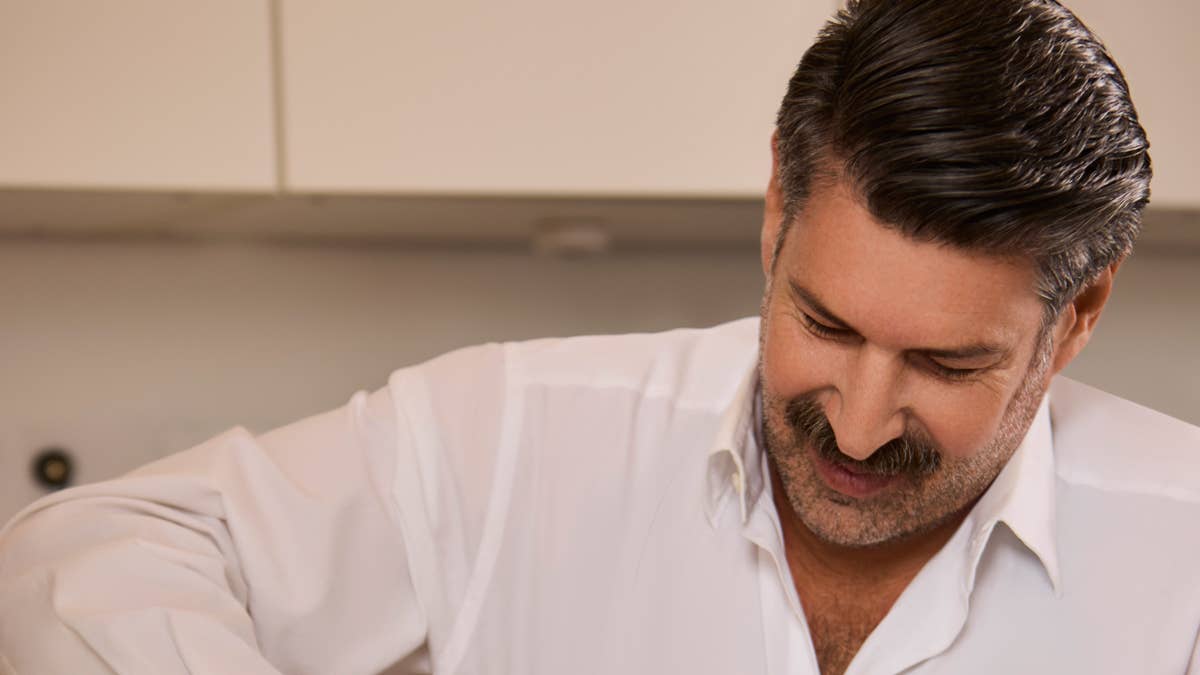
How else we help balance our scalp?
Using a pH toner. You would [use it] on your face, you would get one at a cosmetic counter, but what do you do for your scalp? Well, I created something called Detangling Toning Mist. Yes, it detangles the hair, but it also keeps the acid mantle of the scalp in a perfect 5.5 pH, which allows your skin of your scalp to be normal. It allows your immune system to hear, ‘I’m feeling normal. I’m not imbalanced,’ and therefore it keeps the balance. So you don’t get an oily scalp so quickly, [and] life gets better.
What excites you about what’s happening in the hair-care industry?
I’m excited about the technology that’s coming to the industry. Since the day they made Dolly the sheep, we have been able to take molecules from seeds and we have created oleosomes. We have been able to create antibacterial extracts from dandelions. We have been able to take plants and flowers and literally create the future of healing. So I’m super excited about the technology and where it’s going and our plant-based technology and remedies are getting better and better.
Occasionally, we use affiliate links on our site. This in no way affects our editorial decision-making.
