



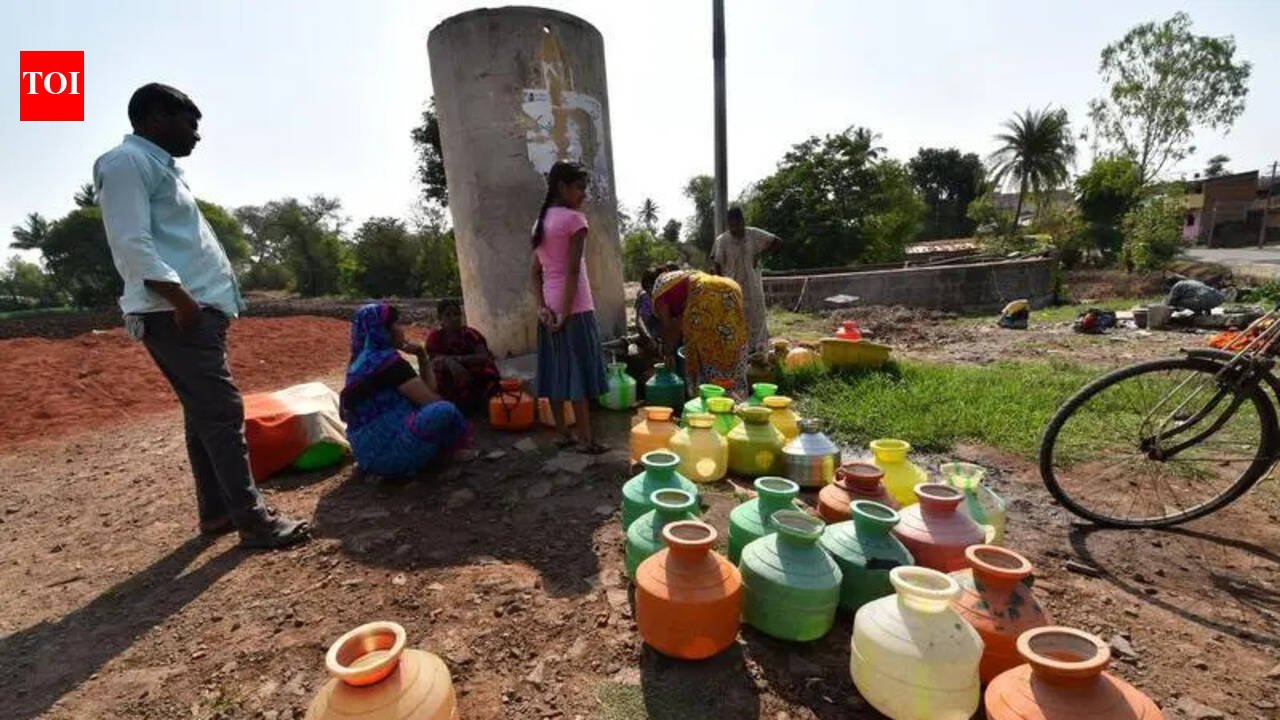
Bengaluru: To avert a drinking water crisis this summer, preparedness is underway not just in the perennially water-starved Kalyana Karnataka region, but also statewide. Last year, 784 villages across Kalyana Karnataka ran dry — 266 in Kalaburagi alone, followed by Bidar (201), Raichur (147), Koppal (88), Vijayanagara (42), and Yadgir (40). In 2025–26 in Raichur, projects worth Rs 2.1 crore were taken up, including leasing private borewells, deepening existing ones, constructing new borewells, laying pipelines, and repairing RO plants. Vijayanagara spent Rs 60.7 lakh for 40 villages and another Rs 5.5 crore for 201 villages. Kalaburagi spent Rs 1.2 crore, while Yadgir spent Rs 13.5 crore, responses furnished by the rural development and panchayat raj (RDPR) department in the recent assembly session show. Conversely, Koppal did not use any of the Rs 2 crore grants allocated for similar works, a record which Raghavendra Basavaraj Hitnal, Koppal MLA, disputes. “The Rs 2 crore was fully used, and the water situation was managed,” Hitnal told TOI. “The figures showing lack of expenditure may be an administrative error. We do not foresee a crisis this year since projects are ongoing. We have not sought additional funding.” Ajay Singh, Jewargi MLA and chairman, Kalyana Karnataka Region Development Board (KKRDB), told TOI the region has spent a record Rs 4,059 crore of the Rs 5,000 crore budget allocated this year. This, he said, contrasts with the finance department’s claim that the region has not used its allocated funds. “This year, we will use the entire funds for the region,” Singh said. To ensure adequate water supply this year, the RDPR department has directed all zilla panchayat chief executive officers to hold mandatory review meetings with panchayat development officers on the second and fourth Mondays for the next three months to assess ground-level realities. Additionally, district authorities will conduct press briefings on the second and fourth Tuesdays to keep people informed of actions taken. Officials have also been directed to physically inspect drinking water sources in rural areas. Measures have been outlined to prevent contamination, including ensuring proper drainage around borewells, preventing wastewater stagnation, and constructing protective concrete platforms around water sources. “The govt has issued clear directions to ensure drinking water shortages in rural areas are addressed promptly,” Priyank Kharge, RDPR minister, said recently. “District administrations must closely monitor the situation and take necessary action.”


