






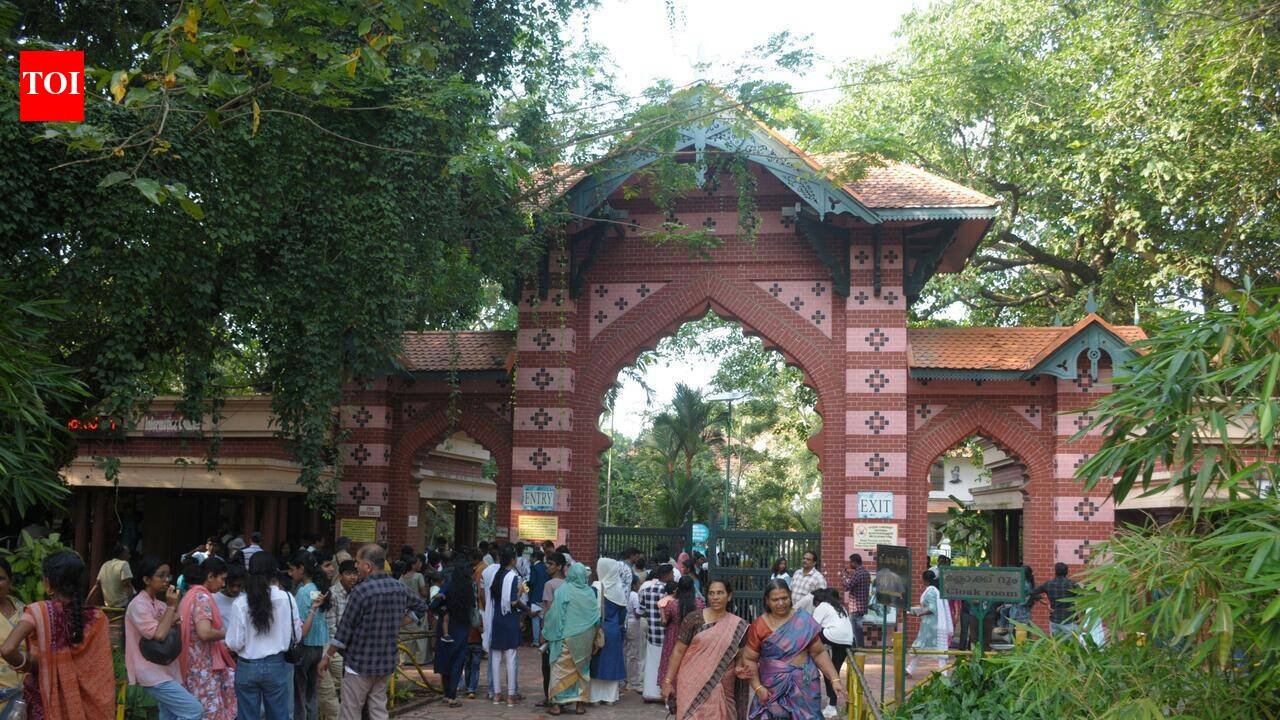
Thiruvananthapuram: Chief minister V D Satheesan’s statement that the space vacated by the zoo will be used for a project “befitting the city” raises concerns that this green lung may meet the same fate as green spaces lost to projects in Chennai, where promises to restore greenery remained unfulfilled.There are several examples of infrastructure and upgrade projects undertaken in green spaces that ultimately led to their destruction. The damage occurred for various reasons, including the disruption of existing ecosystems during construction, the inability to restore them effectively, delays and non-compliance with restoration conditions. Often, by the time work is completed, the original character and ecological condition of these spaces would have been forgotten.In Chennai, three wooded parks—Thiru Vi Ka Park in Shenoy Nagar, Nehru Park on Poonamallee High Road and Panagal Park in T Nagar—have been severely degraded after being taken over for the construction of underground metro stations. Although Chennai Metro Rail promised to restore the parks after completing the work, the original green cover was not recreated; instead, the sites received limited landscaping.Thiru Vi Ka Park now has more sports and built-up facilities but very little of its original tree cover. Panagal Park, where work is still under way, has already lost 30% of its green cover. The experience of the earlier two parks suggests that little of its original greenery may remain by the time the project is completed.This shows that any project planned on the heavily wooded zoo premises after the animals are relocated—whether a landscaped park, amusement centre, entertainment venue or commercial hub—could damage the delicate existing ecosystem that helps keep the city’s pollution levels in check.However, govt has not mentioned what is being planned for the site.Sources said that even if construction is kept to a minimum, preparatory work, the movement of heavy machinery, equipment storage and other allied activities would cause considerable damage. They added that restoration may not be undertaken later because of its high cost.Experts have already said that it would be best to leave the site untouched, even if the animals are relocated.Thomas Lawrence of Save Wetland International Movement said that any construction work at the site would affect its ecosystem and that proposing projects there would pose a threat to nature.He said the city’s waterbodies were also at risk of construction, which was often carried out without proper permissions, with environmental concerns given the least priority. “Construction is under way at the Thettiyar waterbody, which drains into Veli Lake, and this is a matter of concern,” he said.


