



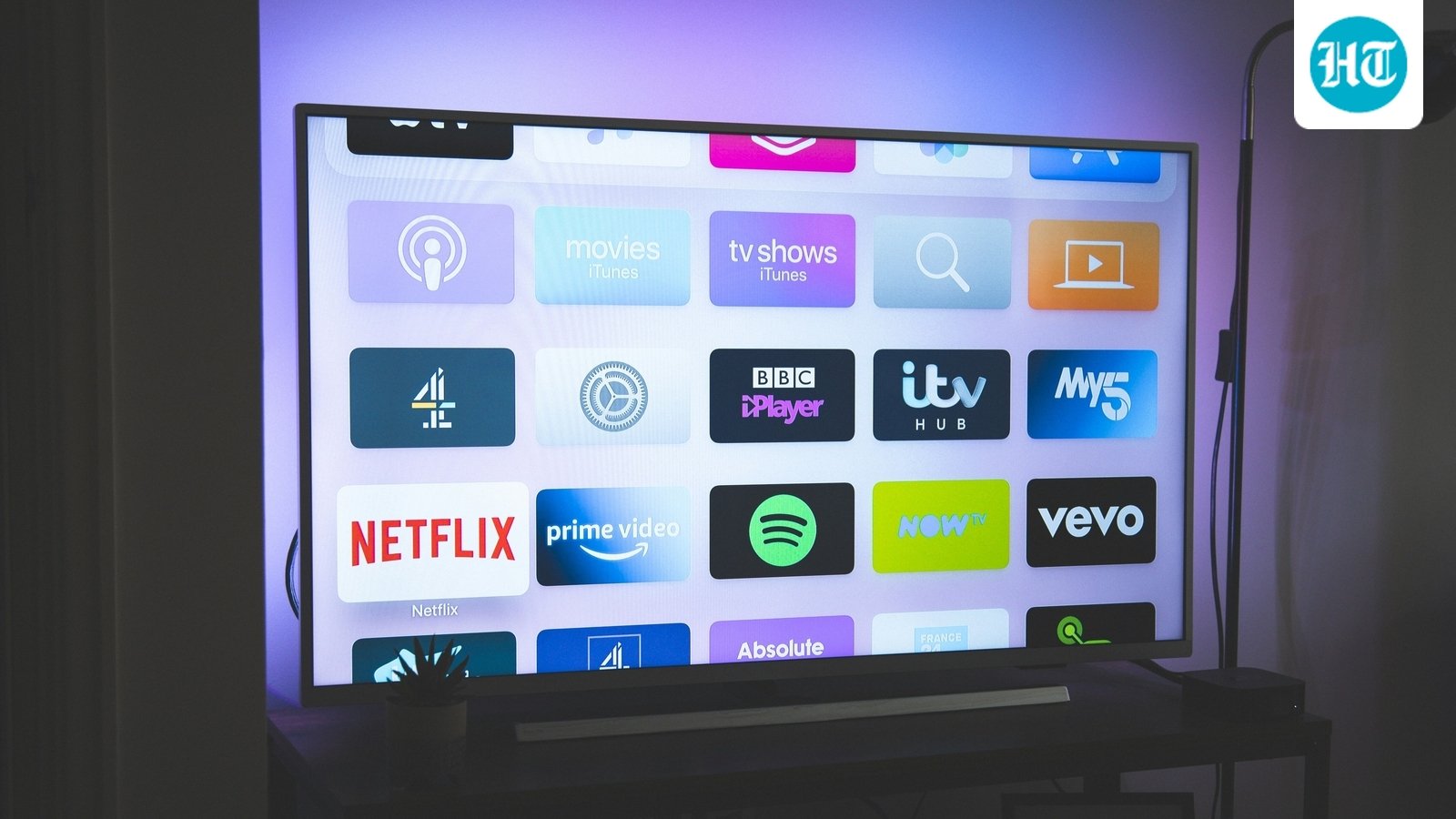
Buying a new TV is no longer as simple as choosing the right screen size. Shoppers now have to decide between OLED, QLED, and Mini LED, three display technologies that promise a better viewing experience but differ significantly in price and performance. That can make picking the right model surprisingly confusing. The good news is that there is no single winner. The right choice depends on how you watch TV, the room you watch it in, and, most importantly, your budget. In this comparison, we break down the strengths and trade-offs of each technology in simple terms to help you make an informed decision. We have also included TVs currently available during the Flipkart Freedom Sale 2026, making it easier to compare your options and find a model that suits your needs and budget.
QLED: Big on Performance, Easy on Your Wallet
If you’re looking for the best balance between price and picture quality, a QLED TV is hard to ignore. It is typically the most affordable way to step up from a standard LED TV while enjoying noticeably richer colours and higher brightness. That makes QLED a popular choice for buyers who want a premium viewing experience without stretching their budget.
Unlike a standard LED TV, a QLED TV uses a layer of tiny particles called quantum dots to enhance the colours produced by the backlight. When illuminated, these particles generate more accurate shades of red and green, resulting in a brighter, richer, and more lifelike picture. The improvement is especially noticeable in HDR movies, live sports, and animated content, where colours appear more vibrant. QLED TVs also excel in bright living rooms, as their higher brightness helps the picture remain clear and reduces the impact of reflections during daytime viewing.
Another advantage is longevity. Since QLED TVs rely on an LED backlight rather than self-emissive pixels, they are not susceptible to permanent burn-in. That makes them a sensible choice for households where news channels, sports scoreboards, or gaming HUDs remain on screen for long periods.
While QLED cannot match OLED’s perfect black levels, premium models with full-array local dimming still deliver impressive contrast for everyday entertainment. For most buyers, especially those shopping on a budget, QLED offers an excellent combination of affordability, picture quality, durability, and overall value, making it a compelling choice for a wide range of viewing needs.
Top QLED TVs to purchase on Flipkart Freedom Sale 2026:
Mini LED: The Goldilocks Choice Between QLED and OLED
Mini LED is designed for buyers who want flagship-level picture quality without paying OLED prices. It builds on traditional LED technology by using thousands of much smaller LEDs behind the display, rather than a few hundred larger ones. This allows the TV to divide the screen into many more local dimming zones, giving it much greater control over brightness and contrast.
The biggest benefit is improved picture quality. Mini LED TVs produce deeper blacks, brighter highlights, and significantly less blooming around bright objects than conventional LED or most QLED TVs. The result is a more immersive viewing experience, especially during HDR movies, where bright explosions, city lights, or sunsets appear more lifelike without washing out darker scenes.
Brightness is another major strength. Mini LED TVs are among the brightest consumer displays available today, making them an excellent choice for well-lit living rooms where glare can reduce picture quality. Their high peak brightness also helps HDR content look more impactful.
Unlike OLED panels, Mini LED panels are not prone to permanent burn-in, making them well-suited for heavy gaming, sports, or prolonged viewing of channels with static logos. While OLED still holds an edge in achieving perfect blacks, the gap has narrowed considerably. For buyers seeking premium performance, excellent brightness, long-term durability, and fewer compromises, Mini LED is one of the best-value high-end TV technologies currently available.
Top Mini-LED TVs to purchase on Flipkart Freedom Sale 2026:
OLED: The Picture Quality Benchmark Everyone Is Chasing
If picture quality is your top priority and budget is less of a concern, an OLED TV remains one of the best investments you can make. Unlike LED-based TVs that rely on a backlight, every pixel in an OLED panel produces its own light. This means each pixel can switch on or off independently, allowing bright objects to sit against perfectly black backgrounds without the halo effect that can sometimes appear on backlit displays.
That pixel-level control gives OLED TVs an unmatched advantage in contrast. Dark scenes in films reveal finer shadow detail, while bright highlights retain their impact without washing out surrounding areas. OLED panels also deliver excellent screen uniformity, so large dark or bright scenes appear even across the display. Combined with their wide colour range, this results in a picture that feels more natural, detailed, and immersive.
OLED technology has also come a long way in recent years. Newer panels are significantly brighter than earlier generations, making them better suited to well-lit living rooms. While Mini LED TVs can still achieve higher peak brightness, OLED continues to offer the most balanced viewing experience for movies and TV shows.
Concerns about burn-in have also become far less significant. Modern OLED TVs include features such as pixel shifting and screen protection technologies to minimise the risk during normal use. If you value cinematic picture quality, true blacks, and exceptional colour accuracy, OLED remains the benchmark against which every other TV technology is measured.
Top OLED TVs to purchase on Flipkart Freedom Sale 2026:
Disclaimer: At Hindustan Times, we help you stay up-to-date with the latest trends and products. Hindustan Times has an affiliate partnership, so we may get a part of the revenue when you make a purchase. We shall not be liable for any claim under applicable laws, including but not limited to the Consumer Protection Act, 2019, with respect to the products. The products listed in this article are in no particular order of priority.


