



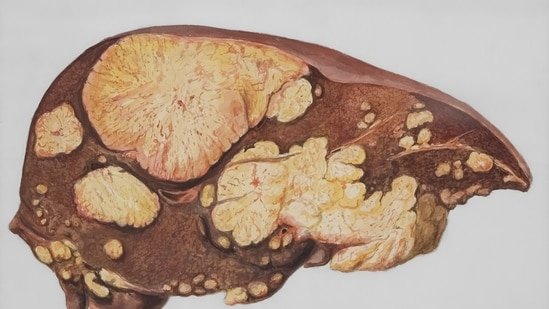
There is a misconception that the liver gets damaged only if you drink alcohol. While it’s true that alcohol damages your liver, there are other reasons too that put your liver health at risk. In conversation with HT Lifestyle, Dr Tushar Madake, consultant in the department of transplant hepatology at Ruby Hall Clinic in Pune, shared signs that indicate your liver is having a hard time.
Also read | Protein powders, fat burners, herbal supplements: Mumbai doctor warns your lifestyle can quietly kill your liver
What is fatty liver?
Fatty liver is an accumulation of excess fat, which is caused by several reasons. Apart from alcohol consumption, fatty liver is also caused by metabolic conditions like obesity, diabetes, and excessive oily food consumption.
Dr Tushar said, “Fatty liver has a new name, but the risk remains the same.” He highlighted that fatty liver disease is now called steatotic liver disease (SLD). What was earlier known as NAFLD is now termed as MASLD (metabolic dysfunction–associated steatotic liver disease). The change reflects its association with metabolic health rather than alcohol.
Early signs
Dr Tushar explains that early signs of fatty liver are usually mild, non-specific, and often missed. The liver can function normally even when affected, so symptoms are not obvious in the beginning. Notably, it can occur even in individuals without obesity or alcohol use. However, some people may notice:
- Persistent fatigue
- Increase in abdominal fat (central obesity)
- Abdominal pain
- Mild discomfort or heaviness in the right upper abdomen
- Darkening of skin around the neck or armpits, and skin tags
These findings are common and may be overlooked, but in the presence of metabolic risk factors such as type 2 diabetes, overweight (BMI >25), dyslipidemia, or hypertension, they may indicate early liver involvement.
When to get your liver checked?
According to Dr Tushar, individuals with metabolic risk factors or these symptoms should undergo initial evaluation with liver function tests and an ultrasound. If needed, non-invasive assessment of liver scarring (e.g., FibroScan) can help identify early fibrosis. Early liver disease is often silent, but simple symptoms and risk factors can offer clues. Timely testing can detect fibrosis early and prevent long-term complications.
Treatment and prognosis
While there is no specific treatment available, you can consider weight loss, opting for a healthy diet, regular exercise, and avoid alcohol at all costs.
Note to readers: This article is for informational purposes only and not a substitute for professional medical advice. Always seek the advice of your doctor with any questions about a medical condition.


