






Treatment usually involves skull reshaping surgery, which takes place within the first months of life.
Over the last two decades, this has involved the use of stainless steel springs to gradually widen the gap, giving space for the brain to develop and for new bone to grow.
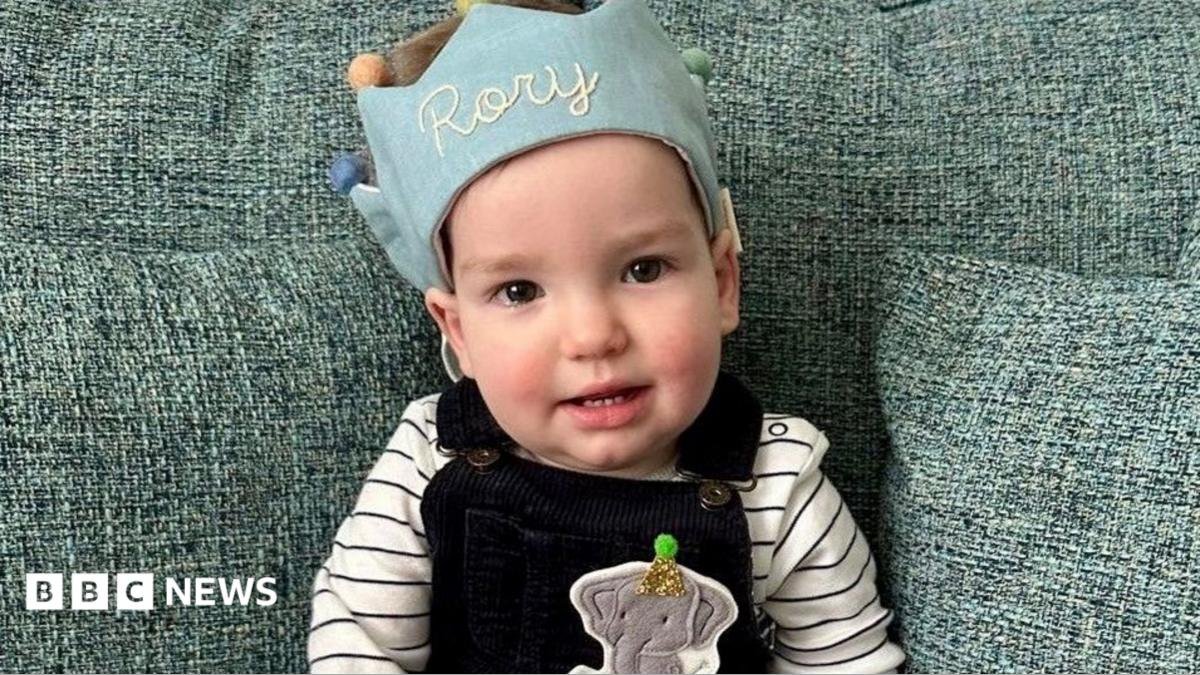
But now experts have developed new “super elastic” springs using a special metal called nitinol, a nickel and titanium alloy, with Rory the first patient to have them fitted.
Each spring is custom-designed to the patient and their “super elastic properties” allow them to adapt more naturally to a child’s growing skull, experts at Great Ormond Street Hospital (GOSH) said.
The springs were developed by experts at GOSH and University College London (UCL).
Once inserted, the springs remain in place for several weeks to months, gradually reshaping the skull before being removed.
The new technology means children can avoid longer and more invasive operations, and it should see a reduction in blood transfusion rates, experts say.
After Rory was referred to GOSH, medics thought he may benefit from the new nitinol springs, instead of the traditional steel springs, because his case was severe.


