



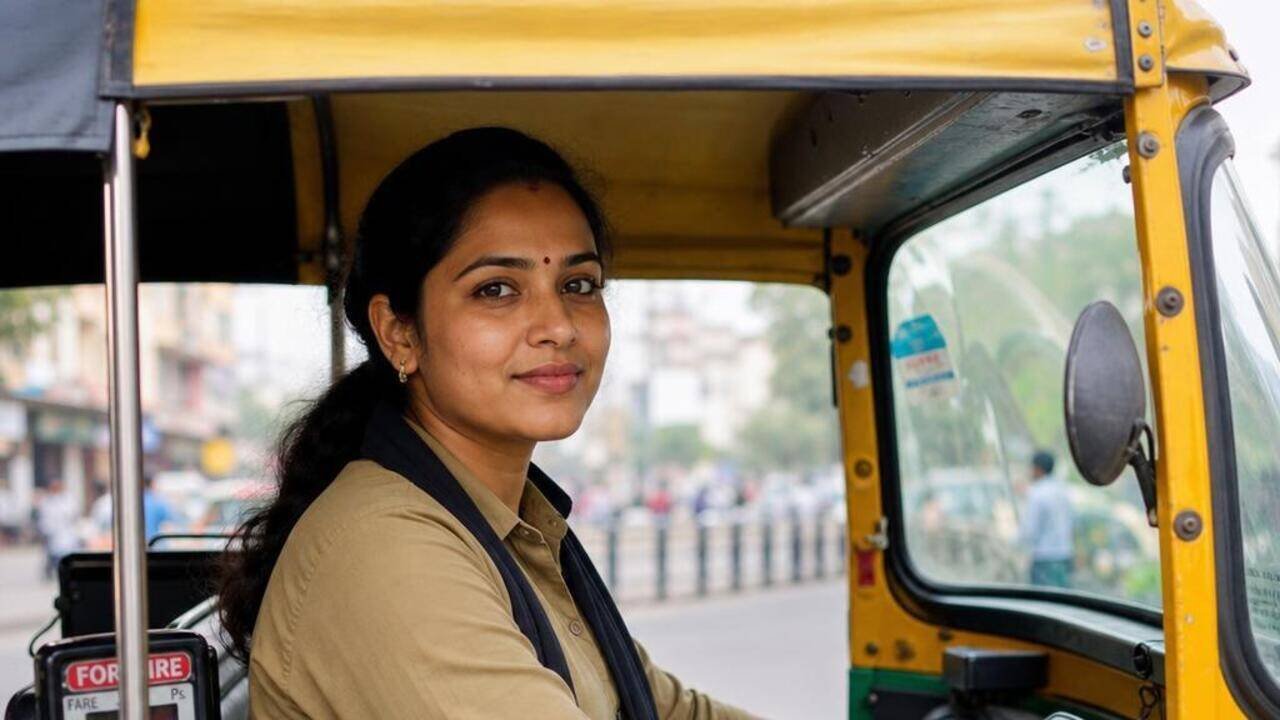
Mumbai: In a push to strengthen women’s entrepreneurship and promote green mobility, state transport minister Pratap Sarnaik has directed officials to identify dedicated routes across the Mumbai Metropolitan Region (MMR) for the implementation of the Mahila e-Rickshaw Scheme, ensuring that the vehicles provide last-mile connectivity without adding to traffic congestion.Sarnaik said low-speed e-rickshaws should operate mainly on internal roads, feeder routes and connectivity corridors rather than arterial roads, highways and major traffic junctions. He directed the transport department and traffic police to jointly identify suitable routes across key MMR areas, including city suburbs, Thane, Navi Mumbai, Panvel, Vasai-Virar and Kalyan-Dombivli, where the service can improve commuter access without affecting traffic flow.To ensure effective regulation, the minister also stressed the use of GPS-enabled tracking systems in all e-rickshaws. The transport department has additionally been asked to hold discussions with manufacturers on improving battery technology, speed and operational efficiency of the vehicles.The directive was issued at a review meeting at Mantralaya attended by Women and Child Development Minister Aditi Tatkare, transport commissioner Rajesh Narvekar, and senior officials from the transport department, Women and Child Development Department and Regional Transport Offices (RTOs).Under the scheme, the government’s financial support has been increased from 20% to 40% of the vehicle cost. The remaining amount will be financed through bank loans and beneficiary contribution, making ownership more affordable for women. The specially designed pink e-rickshaws offer a range of about 120 km per charge and are equipped with GPS and safety features suited for urban operations. Beneficiaries also receive free driving training, assistance in obtaining commercial licences and support for vehicle maintenance.Priority under the scheme is being given to economically weaker women, widows, divorced women and those from marginalised communities. With a focus on improving last-mile connectivity to railway stations, metro stations and bus depots, the initiative is expected to combine women’s economic empowerment with sustainable urban transport across the MMR.The Mahila E-Rickshaw Scheme, implemented by the Women and Child Development Department, aims to create self-employment opportunities for women while expanding the use of clean-energy transport.


