



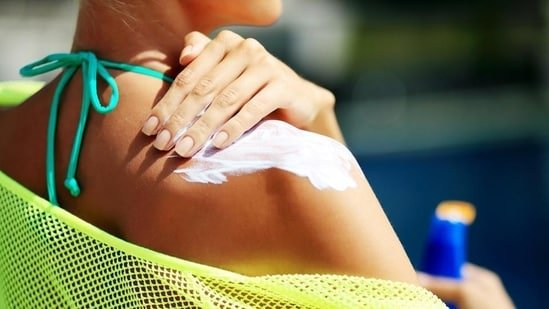
Summer often brings concerns like tanning, uneven skin tone, and stubborn dark patches. While sunscreen remains the cornerstone of skin protection, many people are surprised to find that pigmentation still worsens despite regular use. The reason is simple: sunscreen is essential, but it is not the only factor involved in preventing or controlling pigmentation.
Pigmentation occurs when the skin produces excess melanin, the pigment responsible for skin colour. During summer, this process can become overactive due to several triggers, making pigmentation more noticeable and difficult to treat.
“Many people believe sunscreen is a complete shield against pigmentation, but summer skin protection goes beyond a single product. Pigmentation is influenced by multiple factors, and managing it requires a more comprehensive approach,” Dermatologist Dr Akriti Gupta tells Health Shots.
Sun exposure is only one part of the problem
Ultraviolet (UV) radiation is a major trigger for pigmentation, but it is not the only one. Prolonged exposure to visible light and heat can also stimulate melanin production. Many people protect themselves from direct sunlight yet continue to spend time in hot environments or near reflective surfaces, which increase heat exposure. This can aggravate conditions such as melasma, post-inflammatory pigmentation, and tanning. Pigmentation may therefore persist even when sunscreen is being applied, especially if other environmental triggers are ignored.
Incorrect sunscreen use reduces protection
One of the most common mistakes is assuming that simply applying sunscreen once in the morning provides day-long protection.
For sunscreen to work effectively:
- It should be broad-spectrum
- SPF 30 or higher is generally recommended
- Adequate quantity must be used
- Reapplication is necessary every two to three hours during outdoor exposure
“Many people use insufficient amounts or forget reapplication altogether, leading to incomplete protection”, says Dr Gupta. Another overlooked factor is coverage. Areas such as the ears, neck, eyelids, and around the mouth are often missed and may develop uneven pigmentation over time.
Can heat make pigmentation worse?
Summer heat itself can trigger pigment-producing cells. “This is particularly relevant in conditions like melasma, where heat exposure may worsen dark patches even without prolonged sun exposure”, she says. Activities such as cooking over heat, outdoor workouts, or spending long periods in overheated surroundings may contribute to flare-ups. This explains why some people notice skin pigmentation increasing during summer despite limited direct sunlight.
Skin barrier damage plays a role
Aggressive skincare habits can worsen pigmentation. The growing popularity of trend-driven skincare routines has encouraged excessive use of exfoliating acids, scrubs, and multiple active ingredients. While these products can be beneficial when prescribed appropriately, overuse may damage the skin barrier and trigger inflammation. Inflamed skin is more prone to post-inflammatory hyperpigmentation, especially in Indian skin tones, which naturally produce melanin more readily.
Signs of barrier damage may include:
- Redness
- Burning or stinging
- Dryness and sensitivity
- Sudden worsening of pigmentation
A damaged barrier often makes the skin more reactive to sunlight and heat.
How hormones and internal factors affect pigmentation
Pigmentation is not always purely environmental.
- Hormonal fluctuations, certain medications, thyroid disorders, and underlying medical conditions can influence melanin production. Melasma, for instance, is frequently associated with hormonal triggers and may worsen during pregnancy or hormonal therapy.
- Stress may also indirectly contribute by increasing inflammation and encouraging unhealthy lifestyle habits that affect skin health.
This is why persistent or recurrent pigmentation should not be treated solely as a cosmetic issue.
How to prevent skin pigmentation beyond sunscreen
Managing summer pigmentation requires a layered strategy rather than relying on a single product. Useful protective measures include:
- Wearing wide-brimmed hats or using umbrellas
- Seeking shade during peak sunlight hours
- Avoiding unnecessary heat exposure
- Following a gentle skincare routine
- Using dermatologist-recommended pigment-control ingredients when required
Ingredients such as vitamin C, azelaic acid, niacinamide, kojic acid, or prescription treatments may be recommended depending on the type and severity of pigmentation. However, self-treatment and excessive experimentation with social media skincare trends may worsen the problem.
Early care leads to better results
Pigmentation is often easier to control in its early stages. Delayed treatment or repeated skin irritation can make discolouration more persistent.
“Healthy skin protection is not about chasing fairness or perfection it is about preventing damage and maintaining skin health. Sunscreen is indispensable, but real pigmentation control comes from combining sun protection with barrier care, smart skincare, and professional guidance when needed,” concludes Dr Gupta.
(Disclaimer: At Hindustan Times, we help you stay up-to-date with the latest trends and products. Hindustan Times has an affiliate partnership, so we may get a part of the revenue when you make a purchase. We shall not be liable for any claim under applicable laws, including, but not limited to, the Consumer Protection Act, 2019, arising from the products. The products listed in this article are in no particular order of priority.)


