








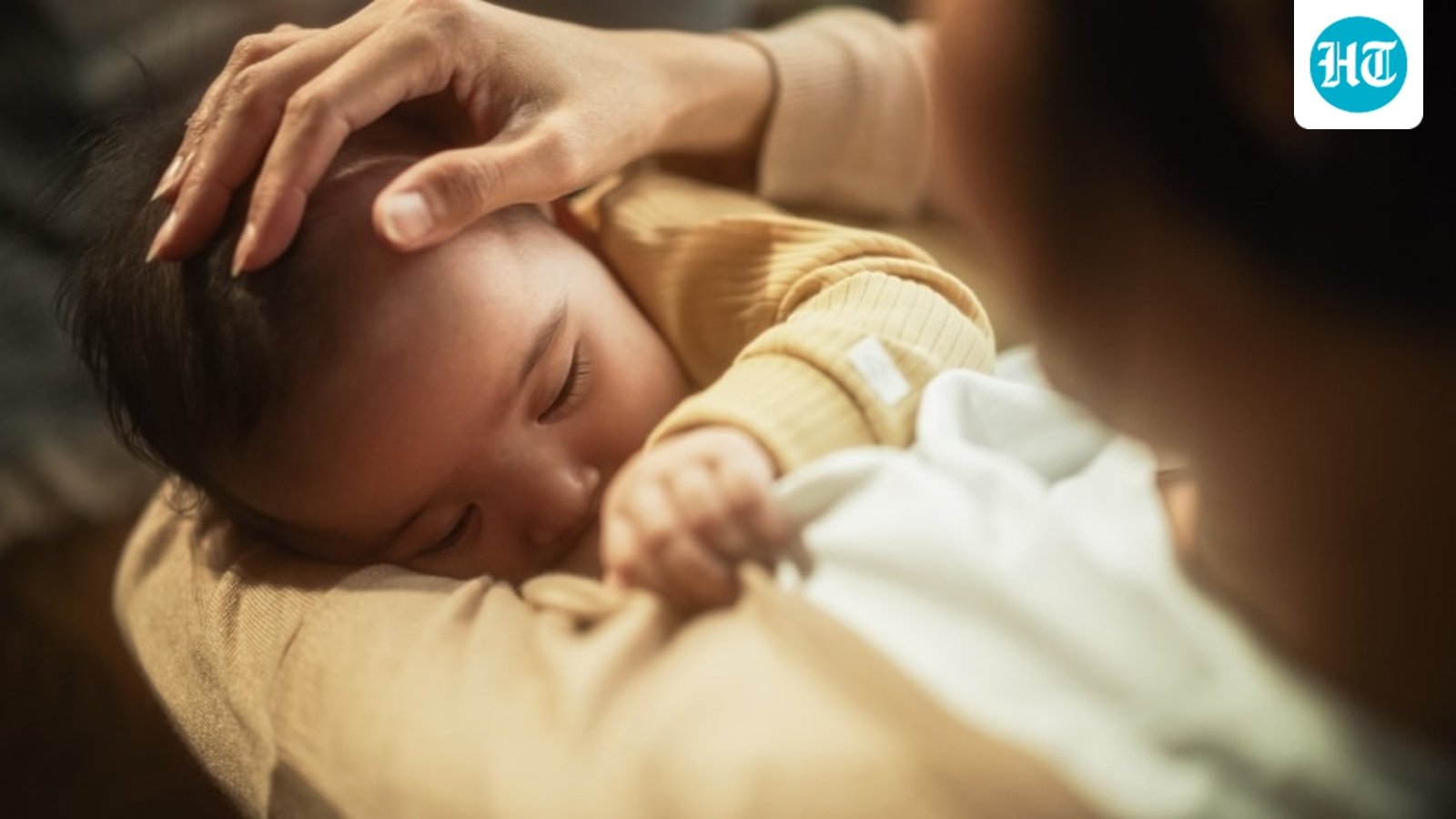
When the ministry of health and family welfare released the fact sheets of the sixth National Family Health Survey (NFHS-6), exclusive breastfeeding in the first six months of life had fallen from 63.7% to 55.8%; the first reversal after years of steady progress. During the same period, early initiation of breastfeeding improved from 41.8% to 50.1%. These findings tell an important story: India is becoming better at helping mothers begin breastfeeding but falling short in helping them continue.
As a neonatologist, I see this divide every day. In the delivery room and in the days that follow, mothers receive skilled support with positioning, attachment and reassurance that their baby is feeding well. Once they return home, that support becomes harder to sustain. Doubts about milk supply, conflicting advice from relatives, pressure to introduce formula, and the demands of work and daily life gradually erode confidence. The survey is not telling us that mothers have stopped caring about breastfeeding. It is telling us where, in a mother’s journey home, our support must travel with her.
This matters because the first six months are among the most critical periods in a child’s life. Colostrum, the first milk, provides antibodies that protect newborns before their own immune system matures. Skin-to-skin contact immediately after birth keeps babies warm, encourages feeding and strengthens bonding. For babies born too early or too small, breast milk and Kangaroo Mother Care (KMC)—continuous skin-to-skin contact between a baby and parent, significantly improve survival and growth. None of these interventions depend on sophisticated technology. They are available everywhere and rely on timely guidance and continued support in hospital and after mothers return home.
The encouraging news is that India already has the systems needed to address this challenge. Doctors, nurses and frontline health workers, including anganwadi workers, ANMs, ASHAs and Community Health Officers (CHOs) are expected to support mothers and families through pregnancy and the postnatal period. Policies, operational guidelines and training programmes are already in place. The challenge is ensuring they translate into consistent, high-quality support for every mother. NFHS-6 reminds us that while much of the framework already exists, implementation must become more reliable and equitable, and remaining gaps, particularly for working mothers in the informal sector must now be addressed.
Breastfeeding is not a hospital intervention that ends when a mother leaves the maternity ward. It is a continuum of care that begins during pregnancy, continues through childbirth and extends into homes, communities and workplaces. Each of these settings presents different challenges and requires different kinds of support. Continued access to skilled providers, timely resolution of breastfeeding difficulties, regular postnatal follow-up, greater involvement of fathers and grandparents, early identification of postpartum mental health concerns and supportive workplace policies can make the difference between a mother stopping breastfeeding early and continuing with confidence. Protecting breastfeeding also requires safeguarding mothers from the aggressive marketing of breast milk substitutes and ensuring they receive consistent, evidence-based advice.
Perhaps the most difficult part of this continuum is the workplace, where support often falls through the cracks. While women in the formal sector are entitled to 26 weeks of paid maternity leave, most working women in India, whether on farms, in homes, in daily-wage occupations or the gig economy do not have that protection. Many return to work within weeks, sometimes days, of childbirth. For them, breastfeeding is not simply a matter of confidence or counselling; it is a question of time, opportunity and practical support. Until maternity benefits reach informal workers, and breastfeeding breaks and crèche facilities become a workplace norm, this gap is unlikely to close.
At the same time, the broader breastfeeding journey shows that sustained progress is possible when mothers receive continued support beyond childbirth. NFHS-6 itself shows that progress is possible. Chhattisgarh reports the country’s highest exclusive breastfeeding rate at 75.8%, followed by Kerala (72.7%) and Gujarat (71.4%). These successes are not the result of a single intervention. They reflect sustained investments in maternal and child health, strong community engagement and frontline health systems that continue supporting mothers beyond childbirth. The lesson is clear: Breastfeeding outcomes improve when support travels with the mother; from the health facility to her home and community.
India has transformed newborn care over the past two decades through institutional deliveries, specialised newborn units and evidence-based care. NFHS-6 shows us where the next gap lies. The challenge is not to persuade mothers that breastfeeding helps, most already know it. It is to ensure that no mother has to navigate the weeks after childbirth without the support she needs. Too often, the mothers who need support the most, receive the least of it. If we can ensure that support travels beyond the hospital and into every home, workplace and community, we will not only reverse the decline in exclusive breastfeeding but also give every child the healthiest possible start in life.
(The views expressed are personal)
This article is authored by Dr Ramesh Agarwal, professor and chief, Division of Neonatology, Department of Paediatrics, AIIMS, New Delhi.


